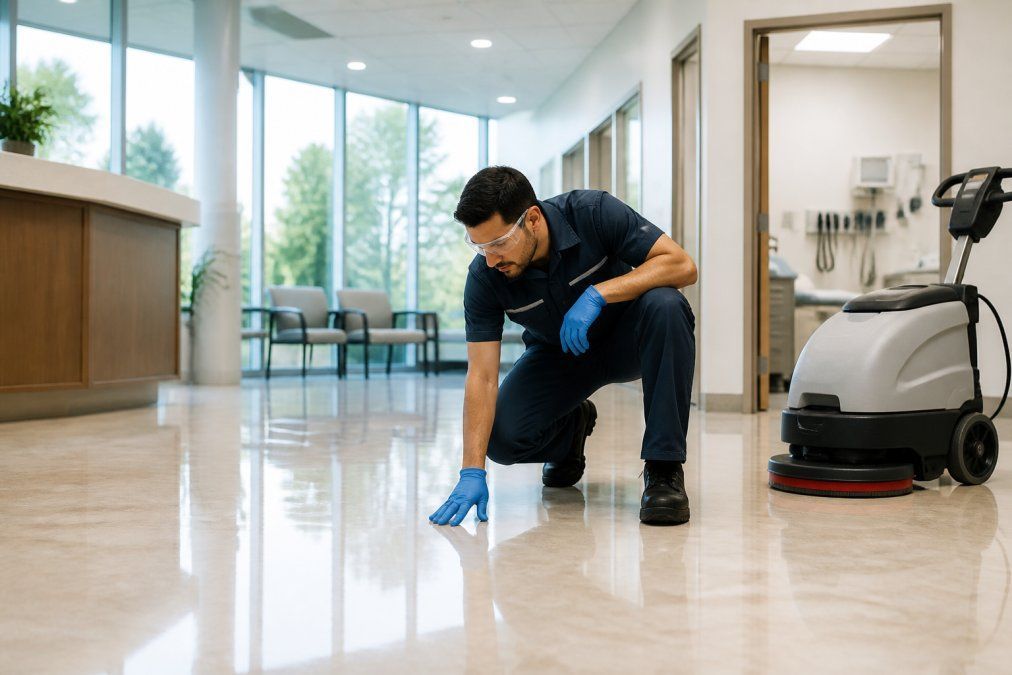


How to Clean Commercial LVT Flooring Properly
Table of Contents
- Why Commercial LVT Flooring Requires Specific Cleaning Practices
- Daily and Routine Dust Removal for LVT Floors
- Damp Mopping with Neutral Cleaner for LVT Flooring
- Commercial LVT Floor Maintenance: Machine Scrubbing and Periodic Deep Cleaning
- LVT Floor Machine Scrubbing: Equipment, Methods, and Best Practices
- High-Traffic LVT Floor Maintenance and Protective Strategies
- What Not to Do: Common Mistakes and Prohibited Practices for LVT
- Frequently Asked Questions
Last Updated: October 10, 2026
Why Commercial LVT Flooring Requires Specific Cleaning Practices
Luxury vinyl tile and plank flooring are standard in medical offices, dental practices, schools, and retail environments because they're durable and handle foot traffic well. But LVT isn't forgiving when you clean it wrong.
The wrong approach damages the protective wear layer, dulls the finish, or traps moisture underneath. Most commercial flooring advice assumes traditional resilient flooring that tolerates aggressive scrubbing and chemicals. LVT is different.
A Smarter Clean works with commercial facilities across Delaware and Maryland's Eastern Shore, providing professional commercial cleaning and specialized floor care services. When facilities don't follow manufacturer guidelines for clean commercial LVT flooring, the finish can deteriorate faster, stains can set in, and the floor may look tired within years.
Daily and Routine Dust Removal for LVT Floors
Start with the basics. Dust and dry debris are your first line of defense against scratches and buildup.
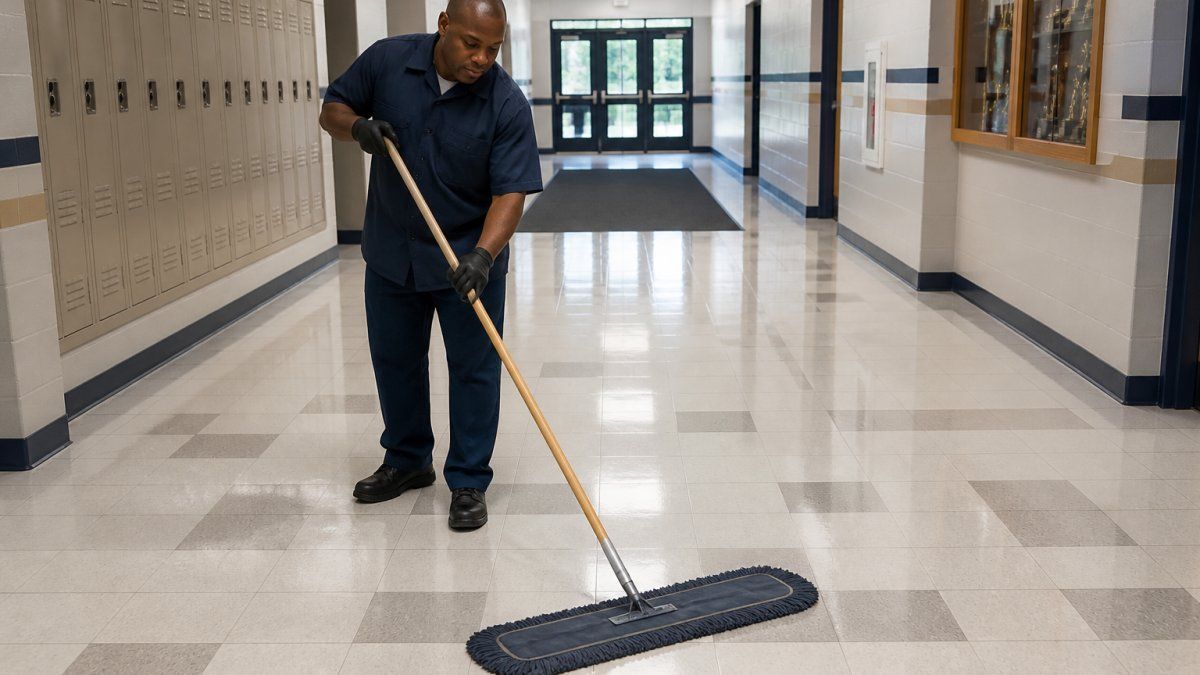
Sweep or dry-mop daily in high-traffic areas using a microfiber dust mop or soft-bristled broom. Avoid stiff bristles or rough pads; dirt particles trapped underneath act like sandpaper and scratch the surface.
For heavy foot traffic, vacuum with a hard-floor setting (not a beater bar, which scratches LVT). Vacuuming captures fine particles a broom misses.
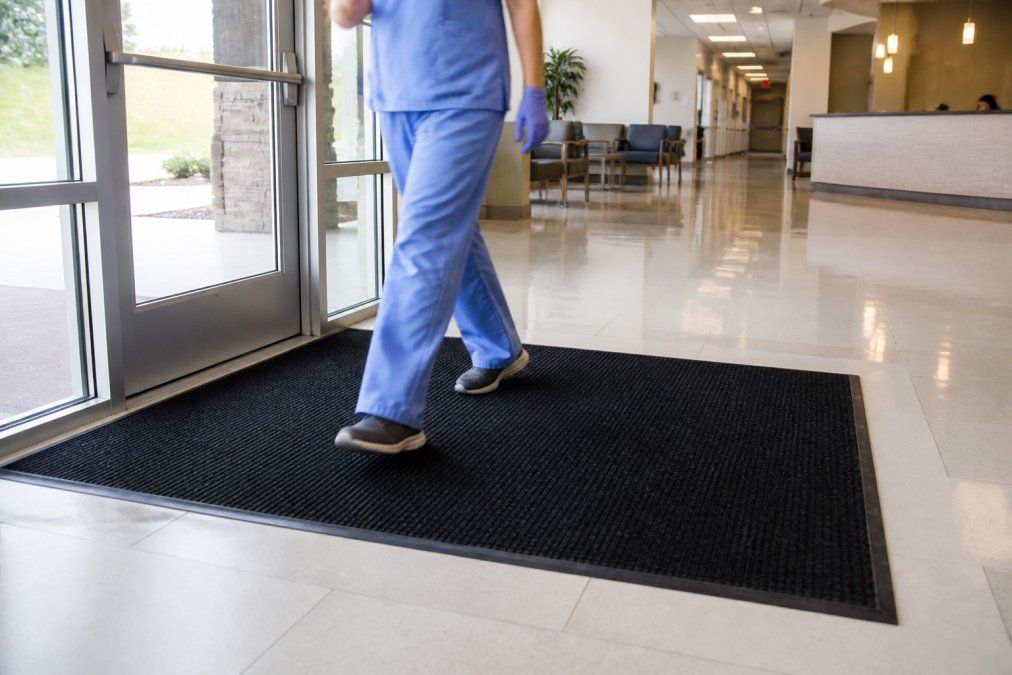
Focus on entryways and hallways, which collect the most dirt. Entrance mats inside and outside doors reduce soil reaching your LVT and extend floor life.
| Dust Removal Method | Best For | Frequency |
|---|---|---|
| Microfiber dry mop | Most commercial spaces | Daily |
| Soft-bristled broom | Smaller areas or quick pickups | Daily |
| Hard-floor vacuum | High-traffic zones | Daily |
| Entrance matting | Soil prevention | Ongoing |
Damp Mopping with Neutral Cleaner for LVT Flooring
Once you've removed dust, a damp mop with the right cleaner tackles surface soil and keeps your floor looking fresh.
Use a damp mop, not wet or soaking. Excess water seeps into seams, lifts edges, or warps planks. Wring the mop thoroughly so it's barely damp to the touch.
Use only a neutral pH cleaner (6-8) designed for vinyl flooring. Acidic cleaners (vinegar, citrus) and alkaline cleaners (degreasers) break down the wear layer. Check your flooring manufacturer's recommendations for approved products.
Mix at the label's dilution rate. Concentrated residue builds up and dulls the finish.
Mop in the direction of plank grain to prevent water from sitting in seams. Work in small sections and change water frequently.
Commercial LVT Floor Maintenance: Machine Scrubbing and Periodic Deep Cleaning
Periodic machine scrubbing keeps floors sharp without aggressive damage. Use the right equipment, technique, and cleaner concentration.
When to Machine Scrub
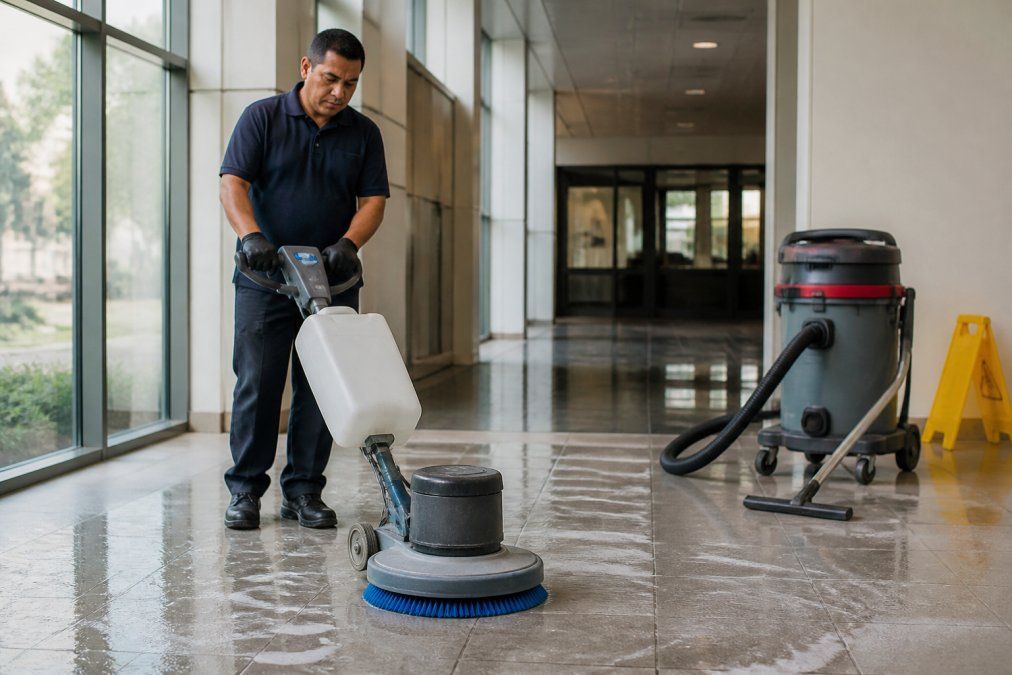
A low-speed scrubber (300-400 RPM) with a soft pad lifts embedded soil safely. High-speed buffers or burnishers generate heat and friction that damage the wear layer.
Schedule machine scrubbing quarterly in most spaces, monthly in high-traffic areas (medical offices, schools, retail), or bi-weekly if traffic is very heavy. Follow your flooring manufacturer's maintenance schedule.
Equipment Selection and Pad Choices
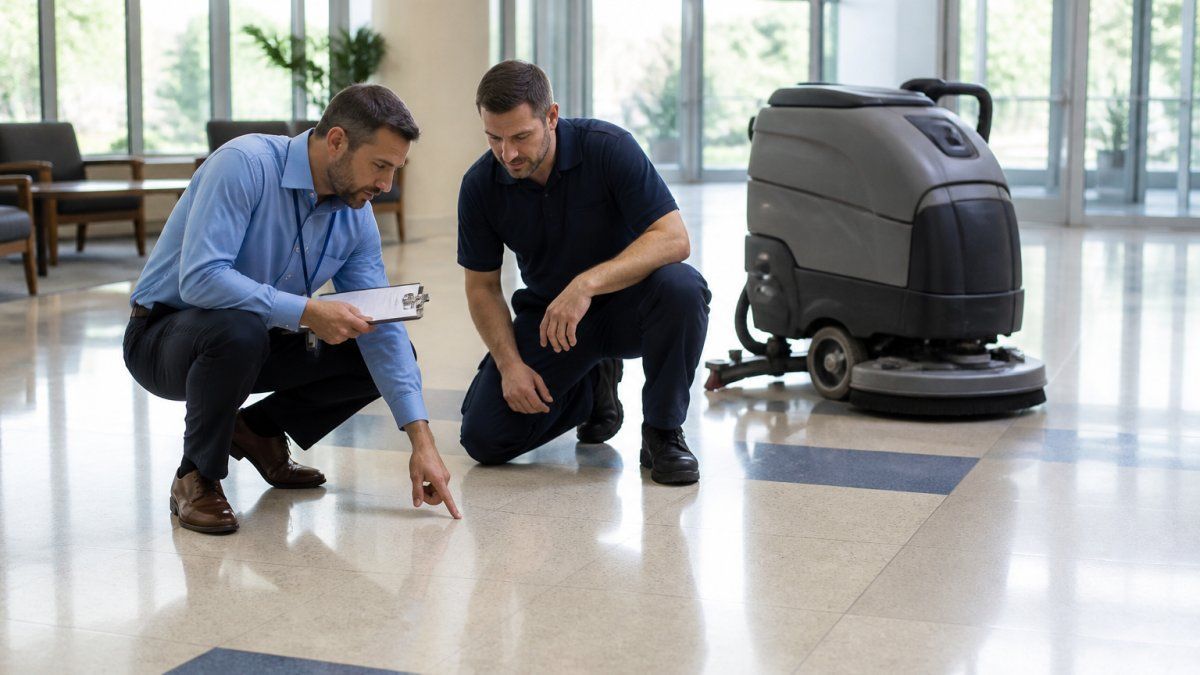
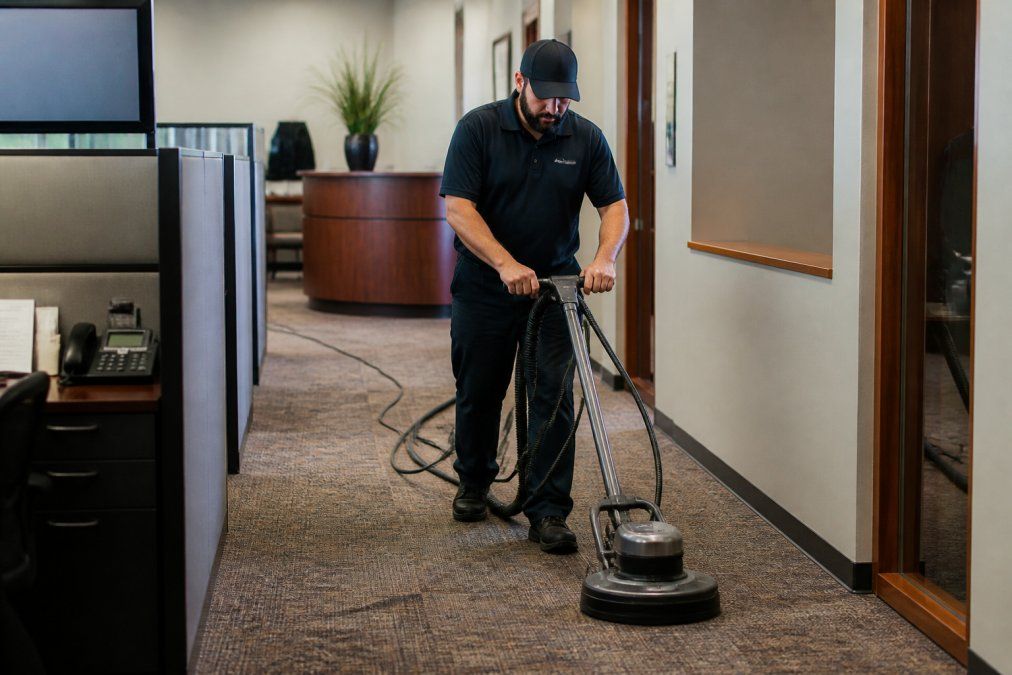
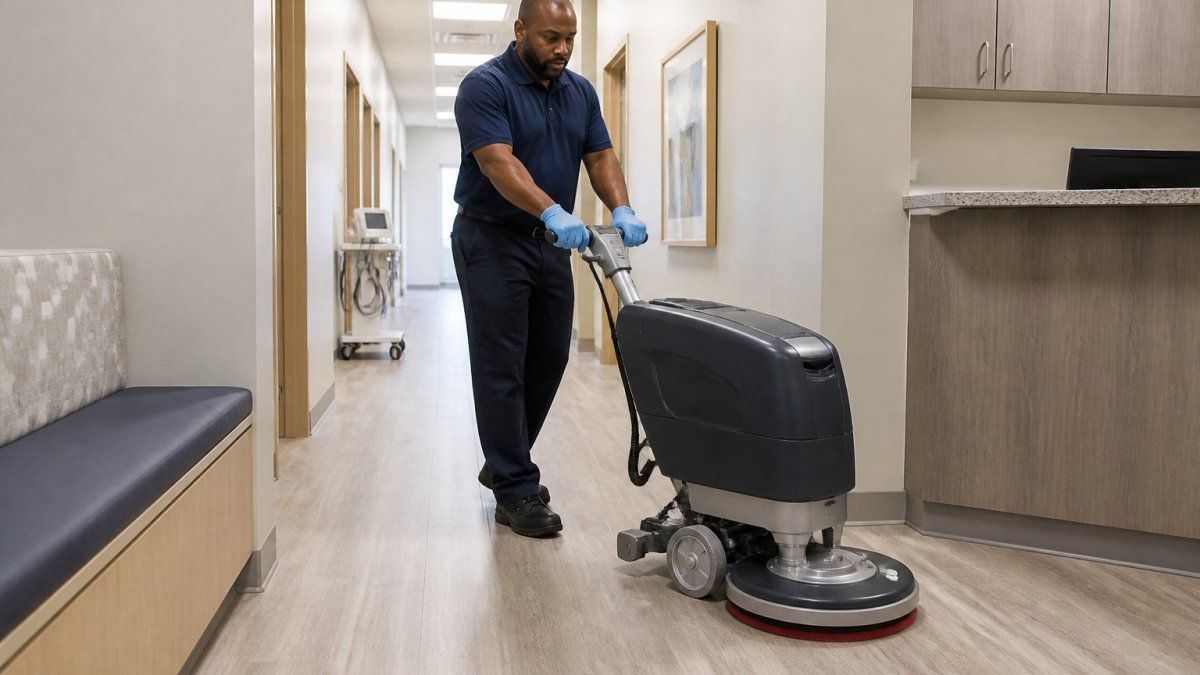
A low-speed automatic scrubber (300-400 RPM) with soft microfiber or nylon pad is standard for commercial LVT. Specify equipment rated for vinyl flooring and ask the supplier which pad type suits your finish.
Microfiber pads are gentle and reusable for routine scrubbing. Soft-grade nylon pads suit moderate soil. Never use abrasive, medium-grade, steel wool, or scouring pads, these scratch the wear layer. Inspect and replace pads regularly.
The Scrubbing Process
- Sweep or vacuum thoroughly to remove all loose debris. Dirt left on the floor can scratch the surface during scrubbing.
- Fill your scrubber tank with diluted neutral cleaner at the concentration specified on the label. Do not exceed the recommended dilution, concentrated cleaner leaves residue and dulls the finish.
- Test the cleaner and technique on an inconspicuous area first. Every LVT product has a slightly different wear layer composition, and what works on one floor might leave a residue on another.
- Work in overlapping passes , moving slowly to allow the pad to make contact with the floor. Overlap each pass by about 50% to avoid missing spots. Do not rush; let the pad and cleaner do the work.
- Allow dwell time on stubborn soiled areas. Let the cleaner sit for 2-5 minutes before scrubbing. Dwell time allows the chemical to break down embedded soil, so the pad does less aggressive work and the floor sustains less friction damage.
- Extract or mop up the dirty solution immediately after scrubbing. Do not let soiled water sit on the floor.
- Rinse with clean water using a separate mop or a rinse cycle on your scrubber. Any cleaner residue left behind dulls the finish and attracts dirt, so this step is not optional. Change your rinse water frequently so you're not spreading dirty water around.
- Dry the floor with a microfiber mop or allow air drying before foot traffic resumes. Adequate drying time is critical for safety and to prevent moisture damage.
Drying and Safety
Wet floors are a slip hazard and residual moisture damages the floor by seeping into seams. Most facilities need 30-60 minutes for complete drying. Use wet-floor signs and restrict foot traffic until dry. Schedule scrubbing during off-hours to allow adequate drying.
Common Scrubbing Mistakes to Avoid
- Pushing hard increases friction and heat, damaging the wear layer. Let the machine work.
- Concentrated cleaner leaves residue, dulls the finish, and attracts dirt. Follow label dilution exactly.
- Skipping the rinse step causes dull, sticky floors. Rinse thoroughly.
- Excessive water seeps into seams and damages the core. Keep the pad damp only.
- Air-dry without ventilation traps moisture. Open windows, run HVAC, or use fans.
LVT Floor Machine Scrubbing: Equipment, Methods, and Best Practices
The right equipment makes all the difference when you clean commercial LVT flooring properly.
A low-speed automatic scrubber (300-400 RPM) with a soft microfiber or nylon pad is the standard for commercial LVT. These machines apply consistent pressure and agitation without the heat damage that high-speed equipment causes. Rent or purchase equipment rated specifically for vinyl flooring. Ask the supplier which pad type they recommend for your specific LVT finish.
Technique matters as much as equipment. Move the scrubber slowly and let the pad do the work. Pushing hard doesn't clean better; it just increases friction and heat. Overlap your passes by about 50% to avoid missing spots.
For stubborn stains, let the cleaner dwell on the spot for a few minutes before scrubbing. Dwell time allows the chemical to break down the soil, so the pad does less work. This is gentler on the floor than aggressive scrubbing.
Always test your cleaner and technique on an inconspicuous area first. Every LVT product has a slightly different wear layer composition, and what works on one floor might leave a residue on another.
After scrubbing, extract or mop up the dirty solution. Rinse with clean water. Any cleaner residue left behind dulls the finish and attracts dirt, so this step is not optional.
High-Traffic LVT Floor Maintenance and Protective Strategies
High-traffic areas wear faster and need extra attention. Sweep or vacuum twice daily if traffic is very heavy to prevent soil from grinding into the surface. Place entrance mats both outside and inside doors to catch soil and reduce cleaning labor. Rearrange furniture periodically to vary traffic patterns and distribute wear evenly. Schedule machine scrubbing monthly in high-traffic spaces to prevent soil buildup.
What Not to Do: Common Mistakes and Prohibited Practices for LVT
Knowing what damages LVT is as important as knowing what protects it. Equally important is understanding how to address stains and scuffs without reaching for harsh chemicals or abrasive methods.
Prohibited Cleaning Methods and Products
Never use excessive water; it seeps into seams and causes swelling, warping, and adhesive failure. Avoid abrasive pads, steel wool, or scrub brushes, use only soft pads rated for vinyl. Don't mix cleaning chemicals; use one approved cleaner at a time.
Addressing Common Commercial Stains and Scuffs
Commercial facilities encounter specific stains and marks that require targeted approaches without damaging the floor.
Rubber marks and scuffs from cart wheels, furniture feet, or shoe soles are common in medical offices, schools, and retail spaces. Do not use abrasive pads or harsh solvents. Instead, try this approach: dampen a soft cloth with a neutral cleaner and gently rub the mark in circular motions.
Grease and food spills are common in break rooms, cafeterias, and medical facilities. Clean up spills immediately to prevent them from setting. Use a neutral cleaner diluted per the label, apply it to a soft cloth (not directly to the floor), and wipe the area thoroughly. Rinse with a damp cloth and dry.
Ink stains from pens or markers can appear in offices and schools. Blot (do not rub) the stain with a soft cloth dampened with a neutral cleaner. If the stain persists, try a cloth dampened with a small amount of isopropyl alcohol (70% concentration), but test this on a hidden area first and use sparingly.
Adhesive residue from tape, labels, or old floor mats can be stubborn. Do not scrape with metal tools or use harsh solvents. Instead, apply a neutral cleaner and let it dwell for 3-5 minutes to soften the adhesive. Gently rub with a soft cloth or soft plastic scraper (not metal).
Scuff marks from furniture or equipment are inevitable in busy commercial spaces. Prevent them by using felt pads under furniture legs and by rearranging furniture periodically to vary traffic patterns. For existing scuffs, follow the same approach as rubber marks: gentle rubbing with a neutral cleaner and a soft cloth, dwell time, and thorough drying.
When to Call a Professional
If a stain or scuff does not respond to neutral cleaner and gentle methods after two attempts, stop. Continued aggressive rubbing or experimentation with different products risks damaging the wear layer. For stubborn stains, professional cleaners can offer specialized, manufacturer-approved products and techniques that address stains without risking damage to the wear layer or voiding your warranty.
Frequently Asked Questions
What is the best way to clean commercial LVT flooring?
Start with daily dust removal using a microfiber dust mop or dry vacuum. For routine cleaning, use damp mopping with a neutral cleaner diluted per manufacturer instructions, never exceed the recommended concentration. For periodic deep cleaning, use a low-speed floor machine with soft pads and manufacturer-approved cleaning solution. Always follow your flooring manufacturer's specific care guidelines, as finishes and wear layers vary. Prompt spill cleanup and entrance matting prevent most damage and reduce cleaning frequency.
Can you use a neutral cleaner on LVT floors?
Yes. A neutral cleaner (pH 7) is the safest choice for commercial LVT flooring. Acidic or alkaline cleaners can damage the protective finish and wear layer over time. Always dilute the neutral cleaner according to the product label and your flooring manufacturer's recommendations. Test any new cleaner on an inconspicuous area first. Neutral cleaners are effective for routine damp mopping and are compatible with most commercial LVT finishes when used at proper dilution.
Can you use a floor scrubber on commercial LVT?
Yes, but with caution. Use only low-speed floor machines (under 200 rpm) with soft pads, never abrasive or high-speed equipment. Pair the machine with a neutral cleaner diluted to manufacturer specifications. Excessive water, high-speed scrubbing, or harsh chemicals can damage the wear layer and finish. Always check your flooring manufacturer's documentation before machine scrubbing, as some finishes have specific equipment and method requirements. Professional equipment and technique are essential to avoid damage.
How often should commercial LVT flooring be cleaned?
Daily dust removal is recommended for high-traffic areas. Damp mopping typically occurs 2-3 times weekly depending on foot traffic and facility type. Medical offices, schools, and banks may require more frequent cleaning. Periodic machine scrubbing, every 4-12 weeks, depends on traffic volume and soil accumulation. Your facility's specific needs and flooring finish may require adjustments. Professional floor-care providers can assess your space and recommend an appropriate maintenance schedule tailored to your operations.