


A red metal shed with a white door and window, set against a backdrop of green pine trees and a clear blue sky.

How to Keep Commercial Floors Looking Their Best Year-Round

Editorial Team • November 20, 2026

Last Updated: November 20, 2026

Quick Summary

Effective commercial floor care starts with identifying each surface, since porosity, finish, and traffic load decide the right service. Match cleaners and pads to the material, follow label dilution and dwell times, rinse thoroughly, and set maintenance frequency by measured traffic and condition rather than a fixed calendar.

  • Unglazed ceramic and quarry tile tolerate mildly alkaline cleaners, while natural stone is acid-sensitive and can etch.
  • Most commercial facilities benefit from a full strip and wax rotation every 12 to 18 months, with quarterly scrub-and-recoat between.
  • Commercial LVT and LVP do not need wax, and many should never be stripped; damp mop with a pH-neutral cleaner.
  • Low-moisture encapsulation carpet cleaning maintains high-traffic lanes between deeper cleanings but does not replace them.
  • Reopen a zone only when the surface is dry to the touch, not when the schedule says so.

Are your floors due for more than a mop? A Smarter Clean evaluates your flooring and builds a maintenance plan that fits your facility.
Request a Floor Walkthrough

Table of Contents

Why Commercial Floor Care Starts With Identifying the Surface

Commercial floor care begins with one question: what is under your feet? The global commercial flooring market is forecast to reach $168.58 billion in 2026, according to Fortune Business Insights' commercial flooring market analysis, and every one of those square feet needs a different approach.

Get this step wrong and everything downstream fails. A mildly alkaline cleaner brightens ceramic tile and dulls a wood floor.

Porosity, Finish, and Traffic Decide the Service

Three variables drive every decision: porosity, finish, and traffic load. Porous tile and grout absorb spills and hold soil in the texture. Dense surfaces like VCT and sealed concrete sit on top of their finish, which wears away with use. Traffic then determines how fast that happens.

A lobby with 2,000 daily entries ages differently than a file room with twelve. Facility use matters too. A dental office tracks in a different mix of soil than a school cafeteria.

Commercial Tile Floor Cleaning: A Step-by-Step Protocol for Porous Tile

Commercial tile floor cleaning for porous surfaces follows a fixed sequence: identify the tile and grout, pre-clean dry soil, spot-test any new solution, apply a compatible cleaner at the label dilution, allow the stated dwell time, agitate with the right pad or brush, rinse thoroughly, and dry completely before reopening.

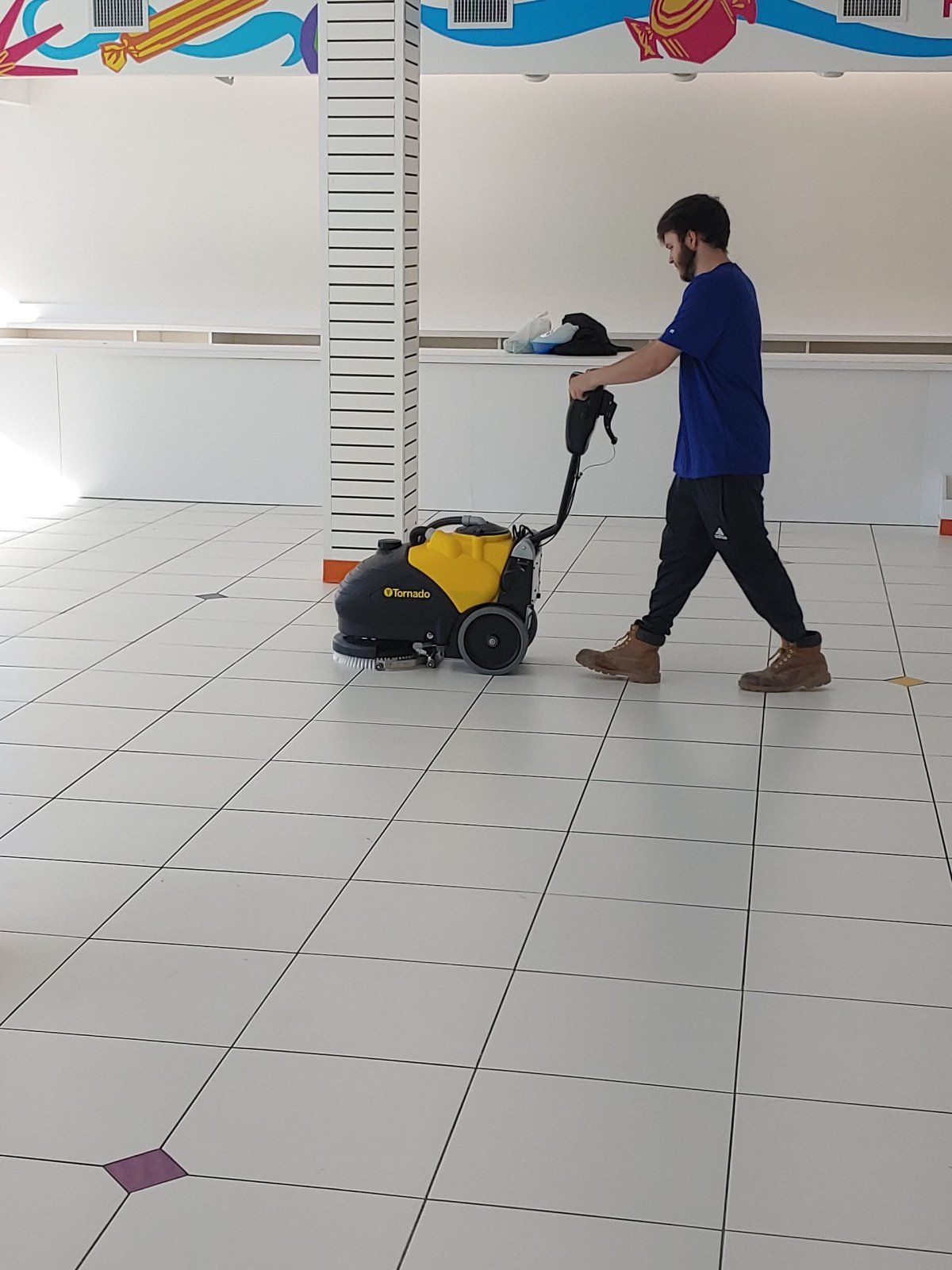
A bearded man in a blue shirt operates a yellow and black floor scrubber across a large white tiled floor in a bright interior.

Step 1: Identify the Tile and Grout Before You Choose a Cleaner

Recommendations differ by material. Unglazed ceramic and quarry tile are porous and tolerate mildly alkaline cleaners; glazed ceramic has a wear layer that can be etched by acids; natural stone such as travertine, limestone, and marble is acid-sensitive and can dull or etch on contact with vinegar, lemon juice, or acidic descalers; and grout is cementitious and absorbs liquid.

Watch out: never assume two tile floors in the same building are the same material. A lobby and a kitchen often use different tile, and a cleaner matched to one can damage the other.

Step 2: Spot-Test Every New Solution

Apply the diluted cleaner to a small, out-of-sight area, let it dwell for the full label time, agitate, rinse, and dry. Check for color change, etching, hazing, or residue after the surface is dry. If any of those appear, stop and choose a different product. This step takes minutes and prevents a costly mistake across an entire floor.

Step 3: Pre-Clean Dry Soil

Dust-mop or vacuum the area before any liquid touches it. Dry soil becomes slurry when wet and is pushed into grout lines and texture, where it is harder to remove. Entrance matting reduces how much tracked-in soil reaches the tile in the first place.

Step 4: Dilution, Dwell Time, and Agitation

Dilution ratios exist for a reason. Over-concentrated solution leaves sticky residue; under-diluted solution does not lift soil. Follow the manufacturer's label exactly, never mix products together, and let the solution sit for the stated dwell time before scrubbing. Use a soft brush or a pad matched to the tile; abrasive pads and steel wool can scratch glazed surfaces and polished stone. For grease in food-service areas, use a degreaser labeled for the specific tile and grout, and allow extra dwell time rather than adding more chemical.

Step 5: Rinse and Dry Before Reopening

Rinse with clean water and a fresh mop head or a scrubber equipped for recovery. Two passes with clean water beat one heavy pass every time. Remove standing water with a squeegee or wet vacuum, then use airflow to finish drying. Reopen the zone only when the surface is dry to the touch, not when the schedule says so.

Ongoing Care Between Deep Cleans

Between scheduled cleanings, damp-mop high-traffic lanes with a pH-neutral cleaner, address spills promptly, and inspect grout lines for darkening that signals soil absorption. If your facility has porous tile and grout, our guide on how to care for porous commercial tile and grout walks through the detail, and the [National Facility Contractors guidance on substrate-specific cleaning | nationalfacilitycontractors.com] reinforces why one-size-fits-all methods damage surfaces.

VCT Stripping and Waxing: When a Full Strip Is Actually Necessary

A full strip is necessary when finish buildup, embedded soil, or worn patches cannot be corrected by scrub-and-recoat. Most commercial facilities benefit from a full strip and wax rotation every 12 to 18 months, per Janitech's VCT maintenance guidance, with quarterly scrub-and-recoat treatments in between.

Here is what most buyers miss. A dull VCT floor is often just tired finish, and burnishing or auto-scrubbing restores appearance without a strip. Jumping straight to stripping removes good finish and adds labor hours. Our article on VCT stripping and waxing explains how to tell the difference.

Commercial LVT and LVP Maintenance Without the Wrong Chemicals

Commercial LVT and LVP maintenance means protecting a factory finish, not building one. These floors do not need wax, and many should never be stripped. Abrasive pads, strong solvents, and high-pH products can cloud the wear layer permanently. Damp mopping with a pH-neutral cleaner handles most routine soil.

Specialized restoration can bring back the appearance of worn LVT, as XL North's LVT restoration work documented in its FloorFacts case study. If you are unsure which product is safe, our guide to choosing cleaning products for commercial LVT floors covers surface compatibility in detail.

Low-Moisture Encapsulation Carpet Cleaning in High-Traffic Areas

Low-moisture encapsulation carpet cleaning uses a polymer-based solution that crystallizes around soil so a machine can lift it away. Carpet can return to service quickly, which can matter in entryways, hallways, and medical waiting rooms.

Encapsulation is not a substitute for periodic deep extraction on heavily soiled carpet, and it will not remove every stain. It can help maintain appearance in high-traffic lanes between deeper cleanings. Entrance matting and prompt spill cleanup extend that window considerably. For scheduling, our traffic-based commercial carpet cleaning guide breaks frequency down by use.

Maintenance Frequency Based on Traffic and Facility Use

Maintenance frequency should follow traffic, condition, facility use, and manufacturer recommendations, not a fixed calendar. A school gym, a bank lobby, and a dental operatory share a floor type but not a cleaning rhythm. Build the schedule around measured conditions, then adjust as those conditions change.

A Three-Tier Schedule: Daily, Periodic, and Restorative

A three-tier structure can help keep floors consistent without over-servicing. Daily care handles soil before it bonds: dust-mopping, damp-mopping with a pH-neutral cleaner, spot spill response, and entrance matting. Periodic care restores appearance between deep services: auto-scrubbing, burnishing, scrub-and-recoat, and grout scrubbing. Restorative care resets the floor: a full strip and wax on VCT, deep tile and grout cleaning, concrete cleaning and resealing, and wood floor refinishing when the finish is worn.

Scenario-Based Frequency

A bank lobby with steady foot traffic and hard-surface floors typically needs daily dust-mopping and damp-mopping, weekly burnishing or auto-scrubbing, and scrub-and-recoat on a quarterly rhythm. A school cafeteria sees grease, food spills, and heavy traffic; quarry tile and grout there often need daily damp-mopping, frequent degreasing, and grout scrubbing on a monthly or more frequent cycle during the school year.

Floor Type

Routine Task

Suggested Frequency

Watch For

VCT

Auto-scrub or burnish

Weekly to several times weekly

Worn finish, buildup

VCT

Scrub-and-recoat

Quarterly

Dull patches that will not buff out

VCT

Full strip and wax

Every 12-18 months

Yellowing, deep soil in finish

LVT/LVP

Damp mop, pH-neutral

Weekly or per traffic

Clouding, scratched wear layer

Tile and grout

Scrub and rinse

Monthly in high traffic

Dark grout lines, sticky residue

Carpet

Encapsulation

Monthly to quarterly

Traffic lanes, entry soil

Concrete

Clean and inspect sealer

Per facility schedule

Worn sealer, dusting

Wood

Damp mop, pH-neutral; inspect finish

Per traffic and finish condition

Worn finish, water marks

Measurable Checks That Tell You to Adjust

A schedule is only useful if you can tell whether it is working. Walk the floor weekly and check four things: soil removal (does a white cloth pick up residue after cleaning?), residue (is the surface sticky or dull shortly after cleaning?), appearance (are traffic lanes visibly darker than edges?), and slip concerns (does the floor feel slick when dry?). If any check fails, shorten the interval or move up to the next tier rather than adding more chemical.

Two habits protect every floor between professional visits: entrance matting and fast spill response.

Slip Risk, Drying Time, and Reopening Floors Safely

Slip risk rises with wet floors, and reopening too early is how facilities create incidents. Rinse water and cleaning solution both reduce traction until fully dry. Use barriers and signage, and post staff at entrances during peak hours if needed.

Drying time depends on airflow, humidity, and how much solution stayed on the floor. A squeegee pass and a blower cut it substantially. Never reopen a zone because the clock says so; reopen when the surface is dry to the touch.

Request a Walkthrough and Customized Floor-Maintenance Plan

A walkthrough turns guesswork into a plan. We identify each flooring type, assess its condition, and recommend a service based on what the floor actually needs, whether that is auto-scrubbing, burnishing, scrub-and-recoat, or a full strip.

Our recurring floor care covers VCT, LVT/LVP, commercial carpet, tile and grout, concrete, and wood across Delaware and Maryland's Eastern Shore. For the bigger picture, read our commercial flooring maintenance facility guide, then request a walkthrough and customized floor-maintenance plan.


Your floors are telling you something right now: worn finish, dark grout lines, traffic lanes that will not vacuum clean. The question is whether anyone is reading the signals.

Frequently Asked Questions

What is the best cleaner for porous commercial tile floors?

There is no single best cleaner for every porous tile floor. The right choice depends on the tile material, its finish, and the type of soil involved. A pH-neutral cleaner suits routine maintenance on most sealed surfaces, while a mildly alkaline cleaner handles grease and heavier soil on ceramic or quarry tile. Textured and porous tile benefit from a cleaner matched to the manufacturer's recommendation, applied at the correct dilution, allowed the stated dwell time, and rinsed thoroughly. Skipping the rinse leaves residue that attracts dirt and dulls the surface.

How often should commercial floors be professionally cleaned?

Frequency depends on traffic, facility use, floor material, and manufacturer recommendations, so no single schedule fits every building. High-traffic corridors, entrances, and food-service areas usually need more frequent attention than back offices. For VCT, a full strip and wax rotation every 12 to 18 months is a common benchmark, with quarterly scrub-and-recoat treatments between cycles. A professional walkthrough can map your actual traffic patterns and condition to a realistic schedule.

What is the difference between scrub-and-recoat and VCT stripping and waxing?

Scrub-and-recoat cleans the existing finish and applies a fresh coat or two on top, which restores appearance without removing the base layers. VCT stripping and waxing removes all old finish and soil down to the tile, then builds new coats. Scrub-and-recoat is faster and can be scheduled between full strips. A full strip is warranted when finish has built up unevenly, yellowed, or worn through. Ask your provider to confirm which service your floor actually needs before approving the work.

How should LVT and LVP floors be maintained in a commercial facility?

Commercial LVT and LVP maintenance starts with the manufacturer's cleaning guidance, because many luxury vinyl products should not automatically be treated like VCT. Routine auto-scrubbing with a compatible pH-neutral cleaner, prompt spill cleanup, and entrance matting protect the wear layer. Avoid abrasive pads and harsh chemicals that dull the surface. When appearance fades from wear, specialized restoration processes can improve the finish, but confirm the product and condition first rather than assuming a strip and wax is the answer.

By Dawn Stewart • November 20, 2026
Flake and Solid-Color Epoxy: Different Surfaces - Similar Care
By Editorial Team • November 19, 2026
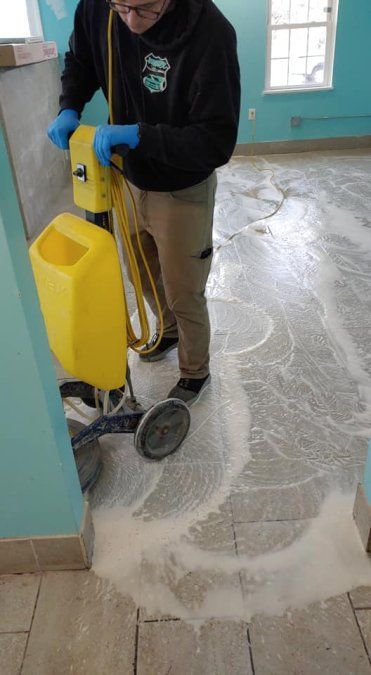
Choosing cleaning solutions for porous commercial tile starts with knowing the surface. Learn how pH, dwell time and rinsing protect grout and tile.
By Editorial Team • November 18, 2026
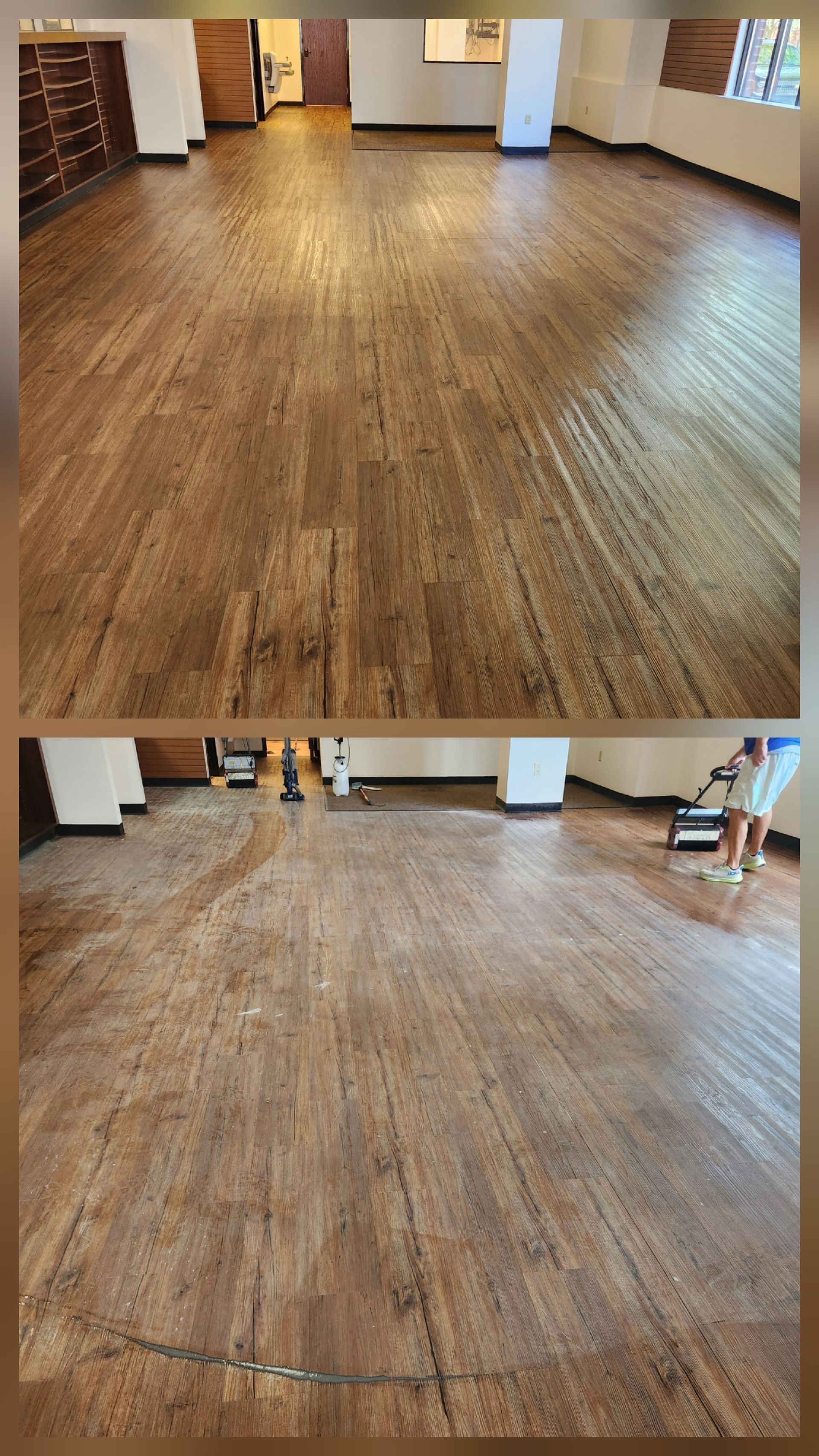
LVT floor care product compatibility decides how your commercial floors look and last. Learn which cleaners, pads, and coatings are safe for LVT.
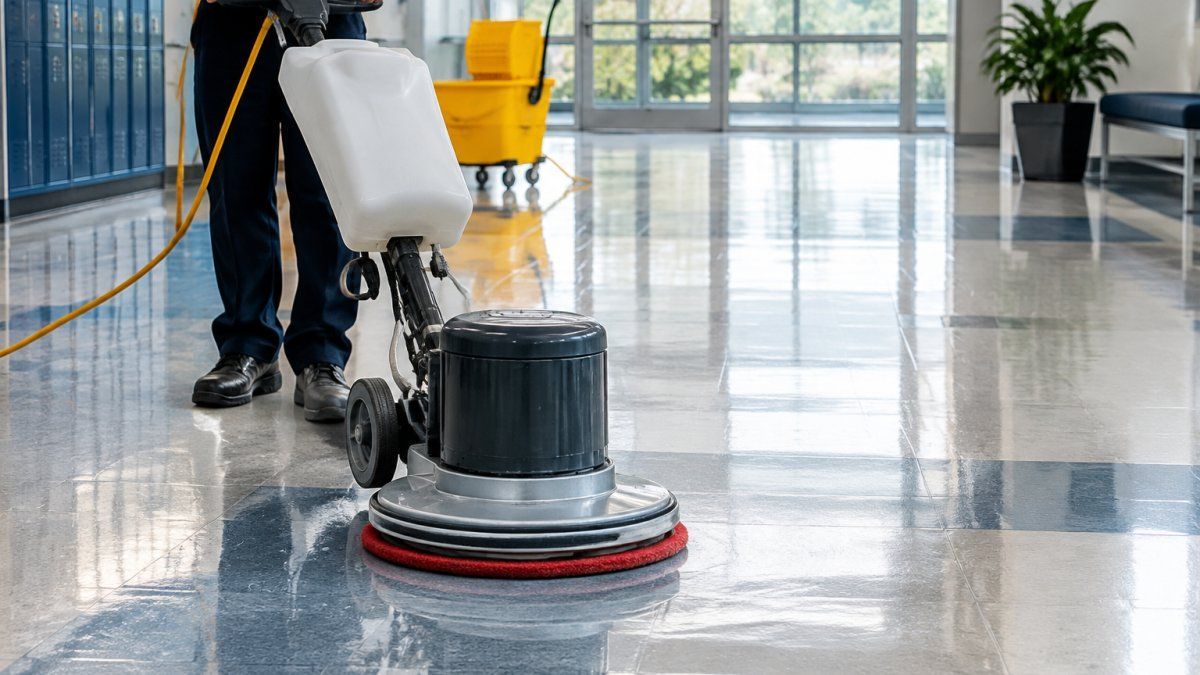
By Editorial Team • November 17, 2026
Learn how often to scrub VCT floors and spot the signs your commercial floors need attention. Get a practical maintenance schedule for your facility.
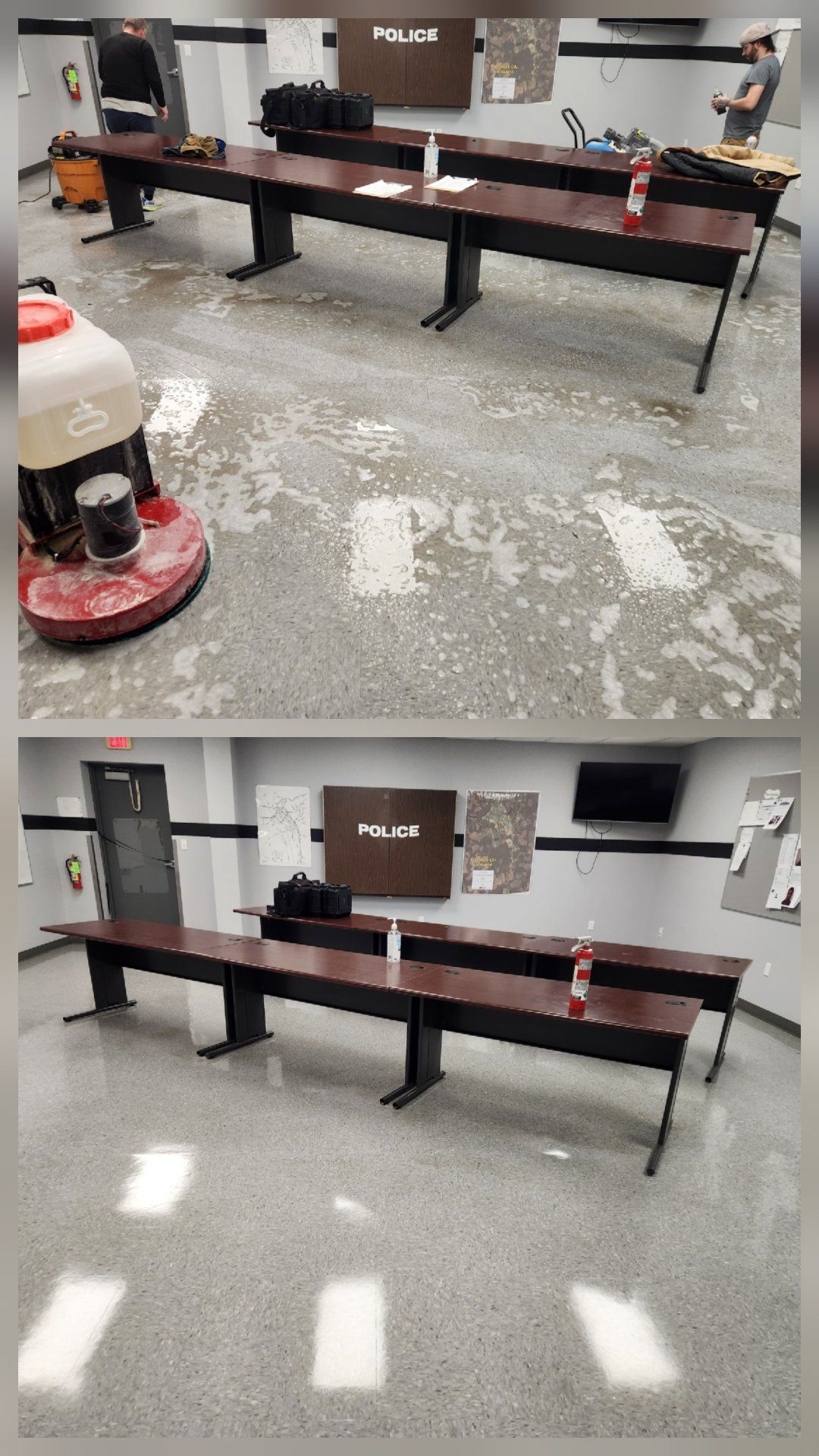
By Editorial Team • November 15, 2026
Learn when a VCT scrub and recoat beats a full strip and wax, and how traffic, wear, and burnishing set your schedule. Request a floor-care walkthrough.
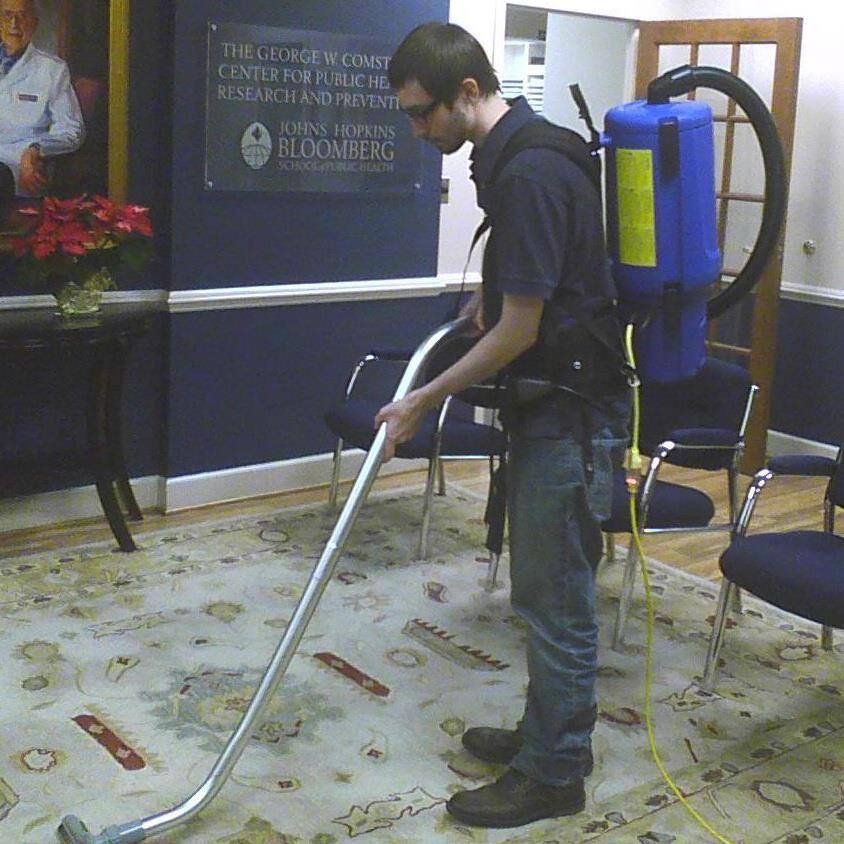
By Editorial Team • November 13, 2026
Build a carpet maintenance schedule by traffic level with this 7-step plan. Learn vacuuming frequency, matting, spot response, and interim cleaning timing.
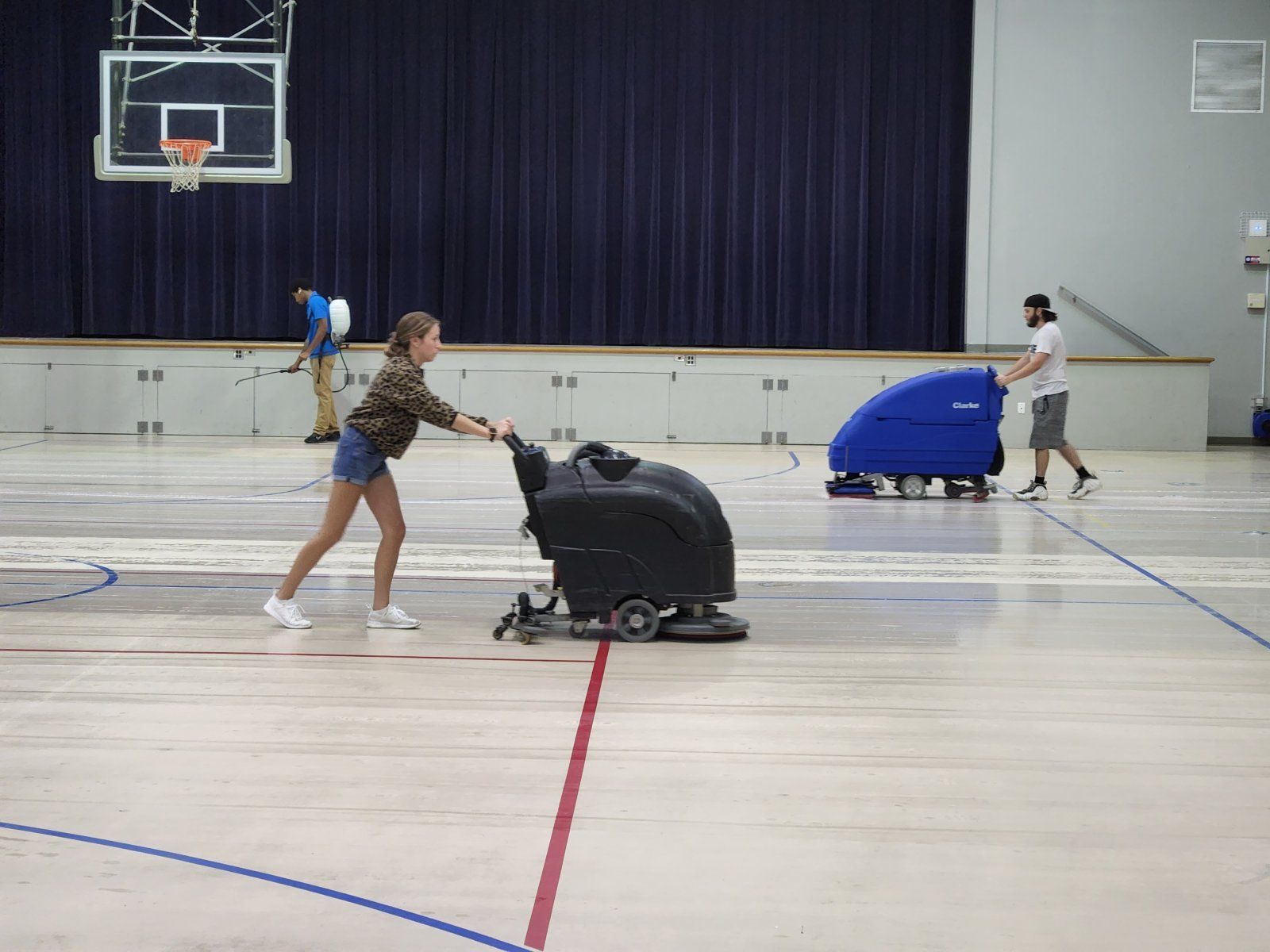
By Editorial Team • November 12, 2026
Choosing a commercial cleaning partner means checking floor-care depth, insurance, and references. Get a floor-care checklist and request a walkthrough.
By Editorial Team • November 11, 2026
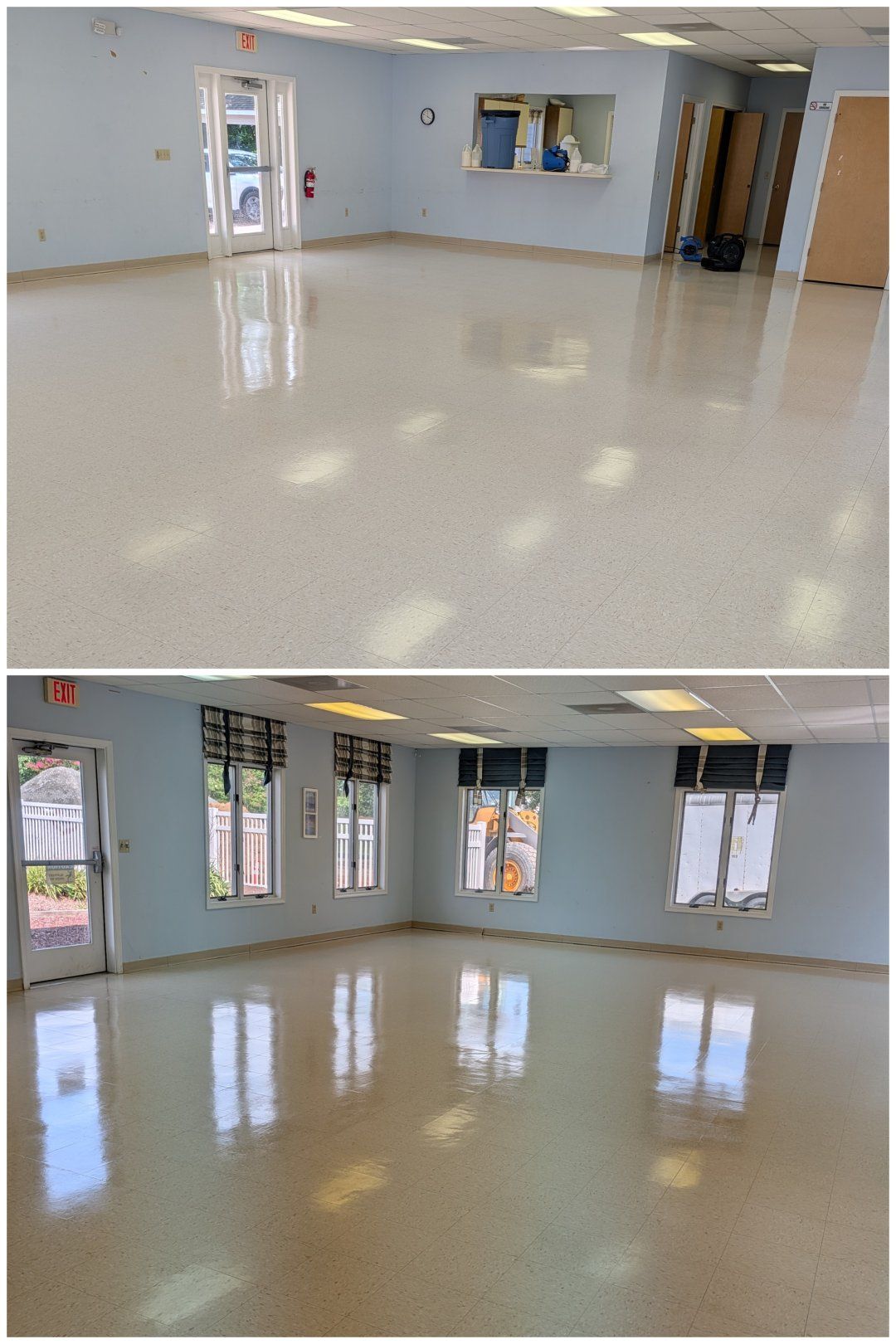
VCT stripping brings worn tile back to a clean, uniform finish. Compare scrub-and-recoat and burnishing, then request a floor-care walkthrough.
By Editorial Team • November 9, 2026
A wrong floor finish wastes time and money. See how VCT and LVT needs differ, plus maintenance schedules. Request a walkthrough for your facility.
By Editorial Team • November 8, 2026
Commercial carpet damage like tears, seams and stains is often fixable. Learn how to spot each type, which repair works, and how to prevent it.
Show More