


A red metal shed with a white door and window, set against a backdrop of green pine trees and a clear blue sky.

Commercial Flooring Maintenance: A 2026 Facility Guide

Editorial Team • October 2, 2026

Table of Contents

Last Updated: October 2, 2026

What Commercial Flooring Maintenance Actually Includes

Commercial flooring maintenance is the planned combination of daily, interim, and restorative tasks that keep a facility's floors clean and presentable while protecting the substrate underneath. Floors often fail because maintenance is reactive, not because the flooring was a bad choice.

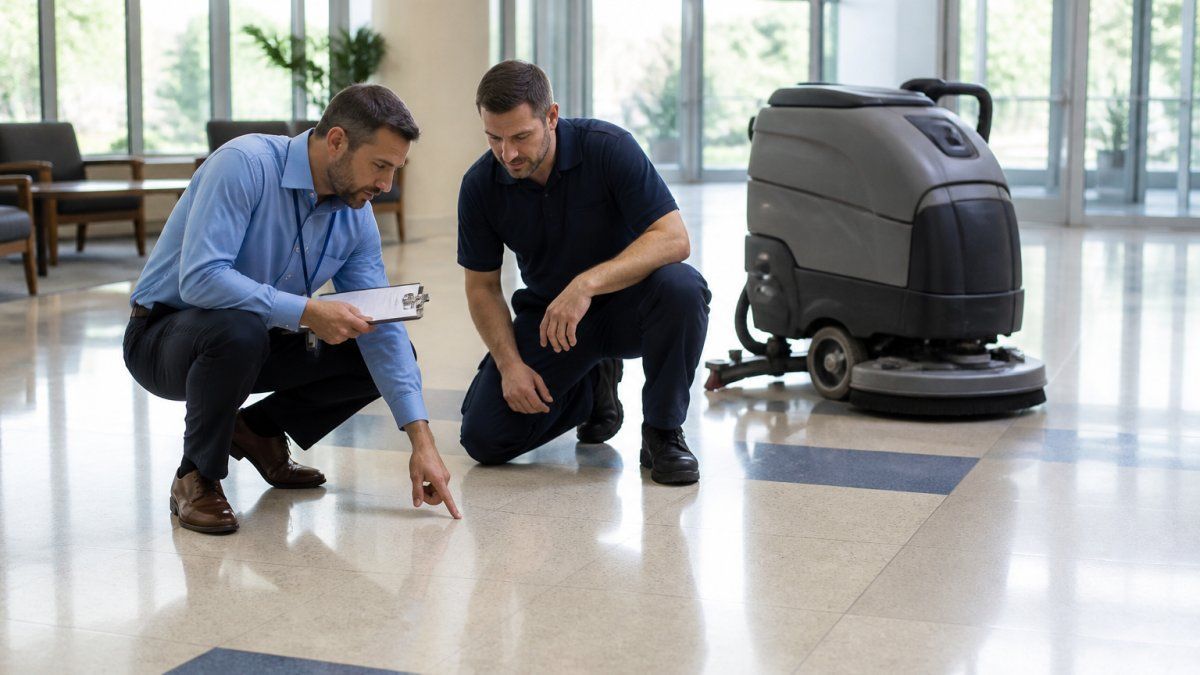
Facility manager and technician inspecting a vinyl lobby floor as part of commercial flooring maintenance

Why Floor Type Decides the Method

Vinyl composition tile, luxury vinyl plank, ceramic tile, and commercial carpet each respond differently to water, chemicals, and abrasion. A method that restores one floor can ruin another, which is why manufacturer guidance from the Resilient Floor Covering Institute consistently points back to the installed product's care instructions rather than a universal routine.

Daily, Interim, and Restorative Work

Think in three tiers. Daily work is debris and spot control. Interim work is machine scrubbing, burnishing, and carpet agitation. Restorative work is stripping, sealing, and finish rebuilding. Skipping the middle tier is a common mistake: teams jump from a mop bucket straight to a full strip-out, which is more disruptive and harder on the floor than it needs to be.

Preventative Floor Care: Grit Removal, Dust Mopping, and Entry Matting

Preventative floor care stops damage before it reaches the surface. Most wear on commercial flooring is abrasive: grit tracked in from parking lots and sidewalks acts like sandpaper under foot traffic.

The core routine looks like this:

  1. Place entry matting at every exterior door, long enough that shoes take several steps across it
  2. Dust mop high-traffic areas daily with treated microfiber
  3. Vacuum matting and edges where debris collects
  4. Spot-treat spills before they set

Pro Tip
Walk your entryways during a rain event. If mats are saturated within an hour, they are too short for the traffic load, and everything past them is absorbing the grit instead.

VCT Stripping and Waxing: Scrub-and-Recoat, Burnishing, and Finish Build

VCT stripping and waxing is a cycle, not a one-time event, and the goal is to avoid the strip for as long as possible. Vinyl composition tile is porous and depends on a protective floor finish to resist soil and abrasion.

How to maintain and clean VCT flooring.

Rodriguez Cleaning Services

LVT/LVP and Commercial Carpet: Low-Moisture Care That Protects the Substrate

Luxury vinyl and commercial carpet both punish over-wetting, but for different reasons. LVT and LVP are typically glued down or floated over a substrate, and standing water at seams, perimeter edges, and transition strips can compromise adhesive and underlayment over time. Commercial carpet is a textile over a backing and cushion; saturating it drives moisture into the backing, where it can feed odor and delamination long before the surface looks dirty.

LVT and LVP: Damp, Not Wet

The care routine for luxury vinyl is built around pH-neutral chemistry and mechanical removal of grit. A working sequence for a high-traffic corridor:

  1. Dust mop or microfiber sweep to remove dry soil before any liquid touches the floor.
  2. Damp mop with a pH-neutral cleaner and a flat mop or microfiber pad, damp, not dripping.
  3. For scuffs and heel marks, use a non-abrasive pad or a manufacturer-approved spot remover, not an abrasive scrub pad.
  4. Rinse or pick up residue; dried cleaner film attracts soil and dulls the wear layer.

Commercial Carpet: Match the Method to the Fiber and Construction

Carpet care starts with identification. Loop pile resists crushing and stands up to aggressive agitation; cut pile, especially plush, can fuzz or distort under the same treatment. Olefin and polyester fibers respond well to low-moisture methods; nylon and wool tolerate a wider range of chemistry but still need controlled moisture.

  • Daily: vacuum high-traffic lanes and entry zones. A common benchmark is multiple passes over the same lane, not one quick sweep.
  • Interim: spot-treat spills immediately, agitate traffic-lane soil with a counter-rotating brush or cylindrical machine, and use low-moisture encapsulation or dry compound where the facility cannot tolerate downtime.
  • Restorative: periodic deep cleaning matched to the fiber and backing. Low-moisture agitation systems lift soil from the fiber without soaking the backing.

Entry Matting Does Double Duty

For both LVT/LVP and carpet, entry matting is the highest-return control. A properly sized mat system, typically 10 to 15 feet of walk-off at a main entrance, split between a scraper mat outside and an absorbent mat inside, removes the grit and moisture that would otherwise be ground into the wear layer or the fiber.

What to Document

For both floor types, keep a simple log: date, area, method, chemistry used, and dry time. That log becomes the evidence base when a facility manager needs to justify a schedule change or show a manufacturer that the floor was maintained per instructions.

Commercial Tile and Grout Cleaning: Dwell Time, pH-Neutral Cleaners, and Slip Resistance

Commercial tile and grout cleaning succeeds or fails on two things: letting the cleaner sit long enough, and matching the chemistry to the surface. Grout is cementitious and porous, so it holds soil a mop never reaches.

Watch Out
Never mix cleaning chemicals to "boost" a result. Combining a chlorine product with an acid, or an ammonia product with chlorine, can release dangerous gas in an occupied building. Use one product as labeled.

Building a Floor Maintenance Schedule Around Traffic and Facility Use

A floor maintenance schedule is built from five inputs: floor type, traffic volume, current condition, manufacturer recommendations, and how the space is actually used. Two buildings with identical square footage can need completely different frequencies.

Facility Area Typical Traffic Core Routine Interim Work
Main entry and lobby Very high Dust mop daily, spot clean Burnish or scrub weekly
Corridors and hallways High Dust mop daily Machine scrub monthly
Patient or exam rooms Moderate, hygiene-sensitive Damp mop daily Deep clean quarterly
Offices and admin areas Moderate Dust mop 2-3x weekly Recoat as needed
Storage and back-of-house Low Sweep weekly As condition requires

Safety, Compliance, and Green Cleaning in Occupied Facilities

Most commercial flooring maintenance guides stop at "use wet-floor signs." For facility managers in schools, churches, medical and dental offices, banks, and multi-tenant buildings, the compliance layer is where floor care intersects with liability, occupant health, and building certification.

Slip-and-Fall Prevention as a Documented Control

OSHA's walking-working surfaces standard (29 CFR 1910.22) requires that walking surfaces be kept clean, orderly, and in a sanitary condition, and that the employer address hazards that could cause slips, trips, and falls. Floor care is therefore part of the facility's hazard control program, not just a cosmetic function.

A defensible program typically includes:

  • Wet-floor signage and barriers placed before work begins and removed only after the surface is dry to the touch.
  • A clean-and-dry handoff between shifts so no area is left wet and unmarked when occupants arrive.
  • A written log of when each area was cleaned, what method was used, and when it was reopened to traffic.
  • Prompt response to spills with a documented time and resolution.

Chemical Safety and SDS Access

OSHA's Hazard Communication standard (29 CFR 1910.1200) requires employers to maintain safety data sheets for hazardous workplace chemicals, readily accessible to employees during each work shift. For a floor-care program, that means:

  • An SDS on file for every cleaner, finish, stripper, and sealer used in the building.
  • Secondary containers labeled with the product name and hazard information, never an unlabeled spray bottle.
  • Dilution ratios followed as labeled. Concentrated product used "stronger" is not better; it leaves residue that attracts soil and can damage finish.
  • No mixing of cleaning chemicals. Combining a chlorine product with an acid, or an ammonia product with chlorine, can release dangerous gas in an occupied building.

Watch Out
Never mix cleaning chemicals to "boost" a result. Use one product as labeled, and if a soil needs a different chemistry, switch products rather than combining them.

Green Cleaning: Certifications That Actually Mean Something

"Green cleaning" is a marketing phrase until tied to a third-party standard. The two most relevant in commercial facilities:

  • Green Seal (GS-37 for cleaning products, GS-42 for cleaning services), certifies products and service programs against environmental and human-health criteria.
  • LEED (Leadership in Energy and Environmental Design, administered by the U.S. Green Building Council), the EBOM (Existing Buildings: Operations & Maintenance) rating system includes credits for green cleaning policy, custodial effectiveness assessment, and purchase of sustainable cleaning products and materials.

Occupied-Building Considerations

In medical, dental, school, and church settings, work often happens while the building is in use. Practical controls include:

  • Scheduling restorative work (stripping, deep cleaning) during off-hours or breaks.
  • Using low-odor, low-VOC products in patient-care and classroom areas.
  • Ventilating the work area and allowing finish to cure per the manufacturer's instructions before reopening.
  • Coordinating with clinical or administrative staff so no area is closed without notice.

Documentation as the Common Thread

Slip-and-fall defense, SDS compliance, and green building certification all rely on records. A simple floor-care binder, physical or digital, with product SDS sheets, a maintenance log, a green cleaning policy, and equipment maintenance records covers most of what an inspector, insurer, or certifying body will ask for.

Conclusion: Protecting Floor Integrity Over the Long Term

Floor longevity is a maintenance outcome, not a purchase decision. Facilities that dust mop daily, remove grit at the entries, and stay ahead of finish wear get more years out of the same flooring than facilities that wait for a floor to look bad before acting.

Frequently Asked Questions

How often should commercial floors be professionally scrubbed?

It depends on traffic and floor type. A hospital corridor or school hallway may need machine scrubbing weekly, while a low-traffic office suite might need it monthly or quarterly. High-traffic areas, entryways, and food service zones usually need the most frequent attention. A floor maintenance schedule should be set after a walkthrough that looks at traffic patterns, current finish condition, and manufacturer recommendations rather than a one-size-fits-all interval.

What are the primary differences between VCT and LVT maintenance?

Vinyl composition tile relies on a wax or polymer finish that is scrubbed, recoated, burnished, and eventually stripped and reapplied. Luxury vinyl tile and plank usually carry a factory wear layer that should not be stripped or waxed; it is cleaned with pH-neutral products and protected from grit. Using a stripper on LVT can dull or damage the wear layer, which is why commercial flooring maintenance plans separate the two floor types.

What is the best cleaner for commercial vinyl flooring?

For most vinyl floors, a pH-neutral cleaner diluted to the manufacturer's specification is the safest choice. Neutral cleaners lift soil without attacking finish or wear layers. For VCT with a finish build, a slightly alkaline cleaner may be appropriate before recoating. Always follow the flooring manufacturer's recommendations and avoid mixing cleaning chemicals, since combining products can create hazardous fumes or damage the floor.

Why is preventative floor care essential for commercial flooring?

Preventative floor care stops soil before it becomes damage. Grit and sand act like sandpaper under foot traffic, wearing down finish and dulling the surface. Dust mopping, microfiber flat mopping, and entry matting remove that grit daily. Over time, this reduces how often deep cleaning, floor stripping, or floor restoration is needed, and it keeps high-traffic areas looking presentable between scheduled services.

What factors determine a facility's floor maintenance schedule?

Five factors drive the schedule: floor type, traffic volume, current floor condition, manufacturer recommendations, and how the space is used. A dental office, a school cafeteria, and a bank lobby each generate different soil loads and cleaning frequencies. A floor maintenance schedule should be reviewed at least annually and adjusted after any change in occupancy, flooring, or cleaning equipment.

How does routine machine scrubbing extend the life of commercial floors?

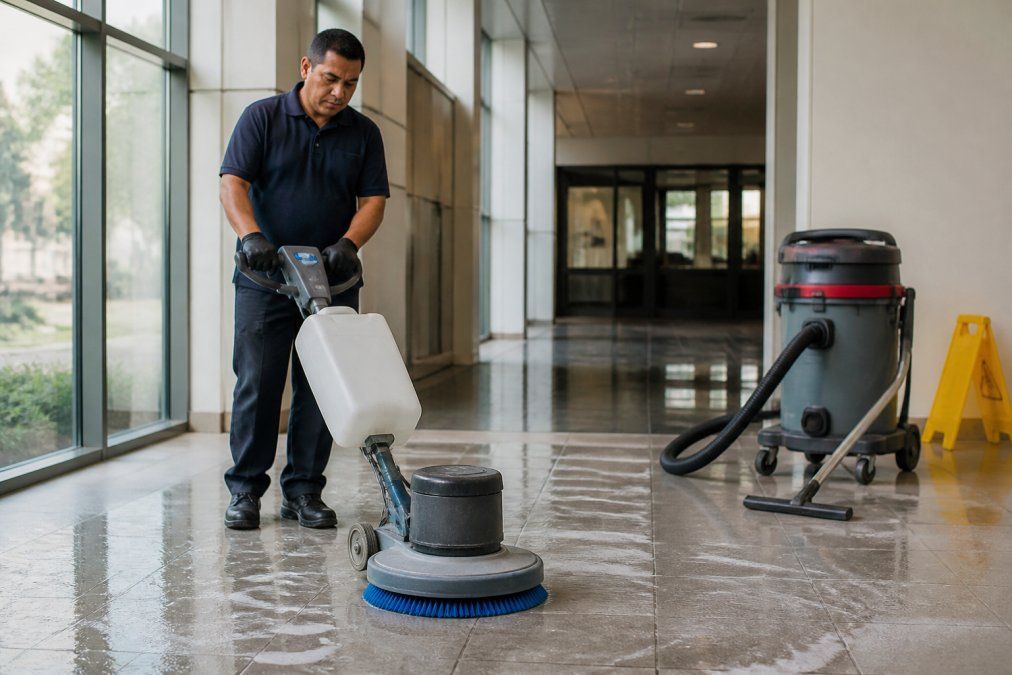
Machine scrubbing with the correct pad or brush removes embedded soil and old finish layers without aggressive stripping. Done on a regular interval, it keeps the finish build even and prevents soil from bonding to the substrate. That means the floor holds its appearance longer, and full floor stripping and waxing can be spaced further apart. It also supports slip resistance by keeping the surface free of slick soil films.

Can you clean tile and grout without damaging the grout lines?

Yes. Commercial tile and grout cleaning should use a non-abrasive cleaner, proper chemical dwell time, and agitation matched to the grout type. Cementitious grout responds well to alkaline cleaners and stiff nylon brushes; epoxy grout needs gentler products. Avoid acidic cleaners on most grout unless the manufacturer approves them, and never combine chemicals. Sealing grout after cleaning helps slow future staining.

By Editorial Team • October 1, 2026
Discover why professional janitorial staff matters for consistency, safety, and asset protection in your commercial facility. Learn how to get reliable.
By Editorial Team • September 30, 2026
See what drives stripping and waxing cost in 2026: square footage, floor condition, coats, and access. Learn how a site walkthrough shapes your estimate.
By Editorial Team • September 26, 2026
Commercial tile and grout cleaning services restore floors in high-traffic facilities. Learn methods, schedules, sealing, and how to choose a provider.
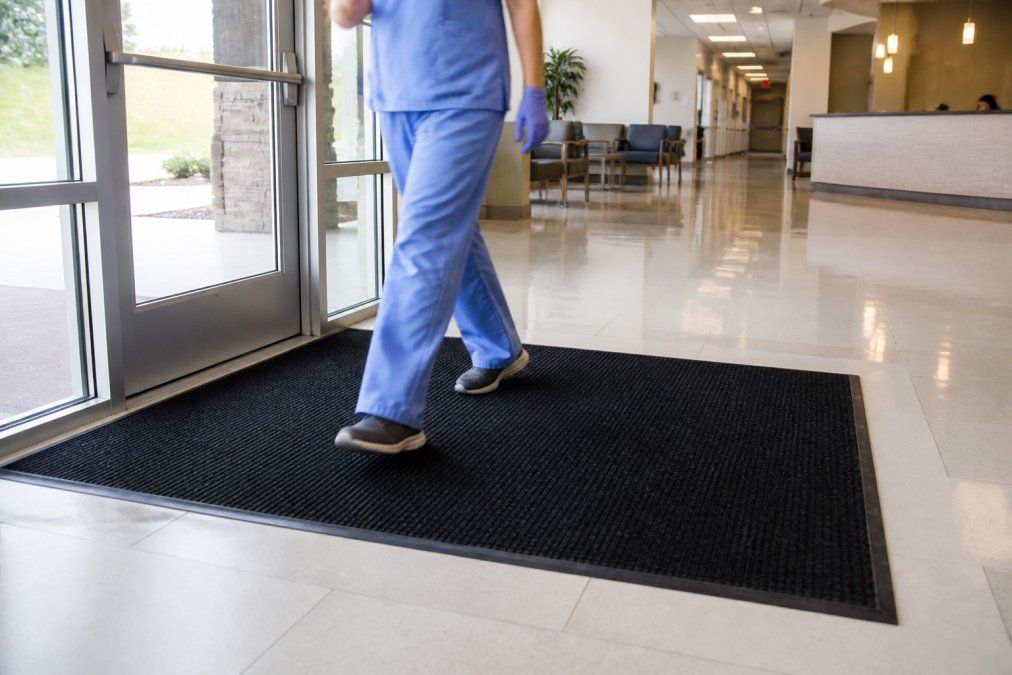
By Editorial Team • September 25, 2026
Discover 5 floor care tips for medical offices, from maintenance schedules to LVT best practices. Keep your facility safe and professional. Get a quote.
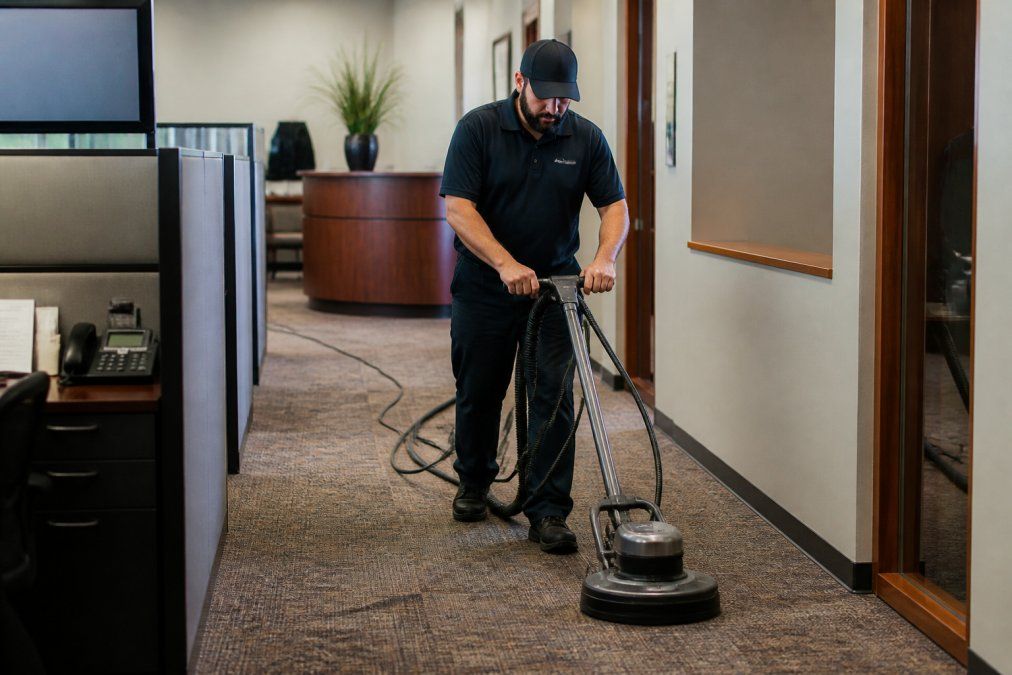
By Editorial Team • September 24, 2026
Discover the benefits of low moisture carpet cleaning for commercial facilities: faster dry times, less disruption, and better appearance. Get a quote.
By Editorial Team • September 23, 2026
Find reliable commercial janitorial services in Sussex County. Learn what to expect, how to choose, and why professional cleaning matters.
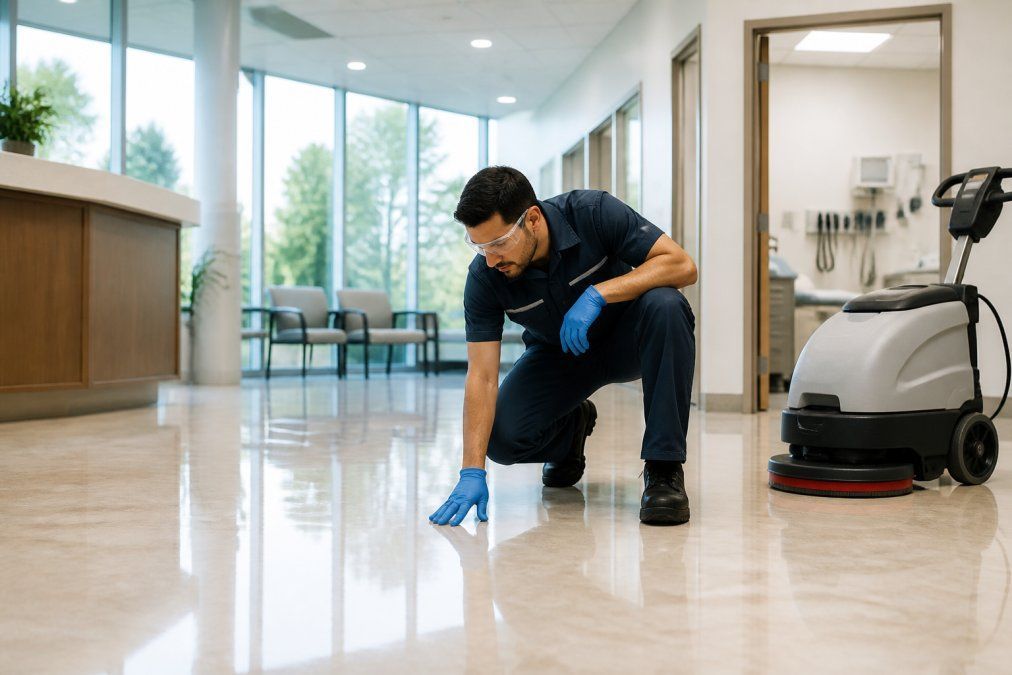
By Editorial Team • September 21, 2026
Professional commercial floor care services for businesses, medical offices, and schools. Learn about floor stripping, waxing, maintenance.
By Editorial Team • September 21, 2026
Practical carpet maintenance tips for facility managers: schedules, stain removal, preventative programs. Discover how to extend carpet life and cut costs.
By Editorial Team • September 19, 2026
Discover why facility management outsourcing saves money through lower labor costs, predictable budgets, and consistent results. Learn how to start.
By Editorial Team • September 17, 2026
Learn how to remove stubborn stains from tile and grout safely, plus when to call commercial grout restoration services. Get a free estimate today.
Show More