


Commercial Carpet Care for Medical and Dental Facilities
Last Updated: November 2, 2026
Quick Summary
Commercial carpet care for medical facilities is the planned maintenance of carpeted non-clinical areas such as waiting rooms, hallways, and offices. A written, zone-by-zone schedule sets vacuuming frequency, spot response windows, and professional cleaning intervals, with high-traffic areas cleaned quarterly and quieter offices every six months.
- The Carpet and Rug Institute recommends establishing a maintenance program immediately after carpet installation.
- Vacuum entry zones, waiting areas, and hallways daily, and private offices two to three times weekly.
- Use a three-zone mat system: scraper mat outside, absorbent mat in the vestibule, fine-textured mat inside.
- Blot liquids from the outside of the spill inward with a clean white cloth, and never rub.
- Low-moisture encapsulation applies solution, agitates with a counter-rotating brush, and extracts crystallized soil by vacuum.
Table of Contents
- Why Commercial Carpet Care Matters in Medical Offices
- Building a Medical Office Carpet Cleaning Schedule
- Daily Vacuuming and Routine Maintenance That Protects Carpet Fibers
- Entrance Matting for Commercial Facilities: The First Line of Soil Defense
- Commercial Carpet Spot Treatment Done Right
- How Low-Moisture Encapsulation Carpet Cleaning Works
- Choosing Carpet and Planning Your Next Step
- Frequently Asked Questions
Why Commercial Carpet Care Matters in Medical Offices
Commercial carpet care for medical facilities is the planned maintenance of carpeted areas outside clinical spaces: waiting rooms, hallways, administrative offices, and conference rooms.
Carpet in a medical office takes a specific beating. Wheelchairs, walkers, and rolling carts grind soil into fibers. Waiting-room chairs concentrate wear in narrow lanes.
That matters beyond appearance. Practice managers can find floor care tips for medical offices tailored to their setting. 5 Best Floor Care Tips for Medical Offices
Building a Medical Office Carpet Cleaning Schedule
A medical office carpet cleaning schedule is a written plan that sets vacuuming frequency, spot treatment response, and professional cleaning intervals by area rather than by building. The Carpet and Rug Institute recommends establishing a maintenance program immediately after installation, with preventative work built in, per CRI 204 Commercial Carpet Standard for Maintenance. Waiting rooms, front entries, and main hallways usually need professional attention more often than private offices and file rooms.
What Drives Cleaning Frequency in a Medical Office
Five factors set the interval: foot traffic volume, visible soil levels, carpet condition and age, how the space is used, and the carpet manufacturer's recommendations. A dental office with six operatories and a busy front desk is not the same job as an administrative suite with a dozen staff.
Guidance on cleaning and maintaining carpeting in medical facilities recommends professional deep cleaning at least every six months and notes that some facilities clean quarterly. Treat that as a floor, not a rule. High-traffic waiting rooms often warrant quarterly work while back offices hold up on a six-month cycle.
Area-by-Area Schedule for Non-Clinical Spaces
A single interval for the whole building either overspends on quiet rooms or underserves the lobby. Build the plan zone by zone instead. The table below is a starting point to adjust against actual traffic and soil, not a fixed mandate.
| Area |
Vacuuming |
Spot response |
Professional cleaning |
Adjustment triggers |
|---|---|---|---|---|
| Front entry and vestibule |
Daily, plus midday pass on wet days |
Same day |
Quarterly |
Rain, road salt, or visible tracking |
| Main waiting room |
Daily, plus high-traffic lanes twice daily |
Within the hour during open hours |
Quarterly |
Chair rearrangement, new service lines, seasonal volume |
| Corridors and hallways |
Daily, edges included |
Same day |
Every 4-6 months |
Cart traffic, equipment moves, visible lane graying |
| Administrative offices |
2-3 times weekly |
Same day |
Every 6 months |
Staffing changes, printer or supply-room foot traffic |
| Conference and break rooms |
2-3 times weekly |
Same day |
Every 6 months |
Food and drink use, chair rolling |
| File and storage rooms |
Weekly |
Next business day |
Annually or as needed |
Box moves, shelving changes |
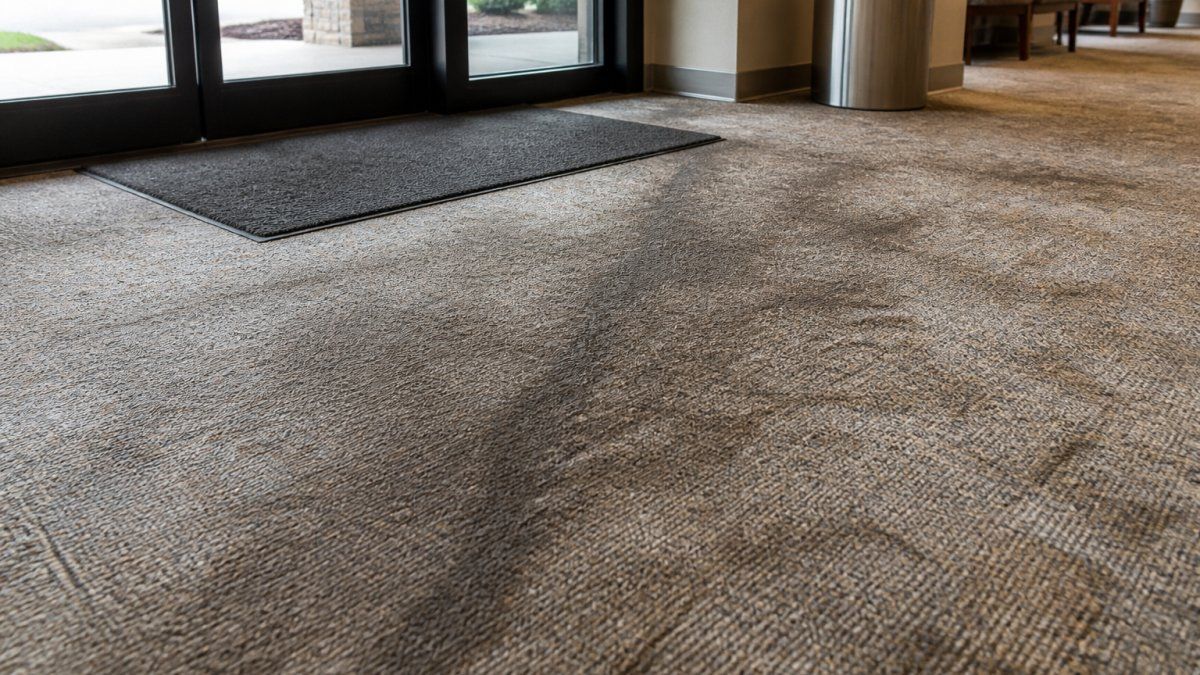
Adjust the table on three signals: a traffic lane that stays gray after vacuuming, a spike in spills in one zone, and any change in how a room is used. A waiting room converted to a check-in overflow area, for example, moves up a tier.
Writing the Plan So It Actually Gets Followed
Build the plan in five steps:
- Walk the facility and mark traffic zones on a floor plan.
- Assign each zone a vacuuming frequency, a spot response window, and a professional cleaning interval using the table above as a starting point.
- Write down who handles spills, what kit they use, and how fast they respond during open hours versus after close.
- Note the manufacturer's recommended maintenance schedule and any warranty conditions that depend on it.
- Review the schedule every quarter against actual condition and log any changes.
Watch out: a schedule that lives only in a binder fails within a month. Post the zone map where staff see it, and tie the review to an existing facilities meeting so it does not quietly drop off.
Scheduling Around Patients and Clinical Operations
Non-clinical carpet still sits inside an operating practice. Plan professional work in blocks that avoid peak patient arrival, keep a clear path to exam rooms, and coordinate with front-desk staff so signage and barriers go up before equipment arrives.
When the schedule is set, the next step is the daily work that protects the fibers between professional visits. Readers planning a maintenance schedule can find commercial carpet maintenance tips for facility managers.
Daily Vacuuming and Routine Maintenance That Protects Carpet Fibers
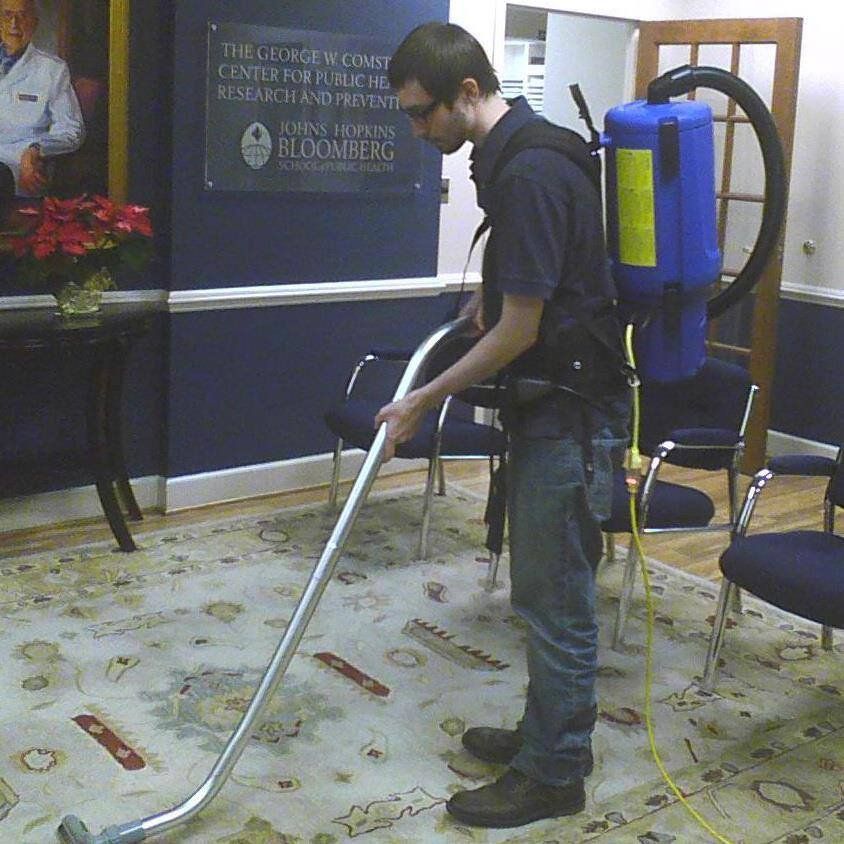
Daily vacuuming is the highest-return task in any carpet care program. Dry soil acts like sandpaper under foot traffic, cutting fibers and dulling the surface long before the carpet wears out.
#1059 Maintaining Hospital Carpet
American Training Videos
Slow passes matter more than speed. A vacuum that moves quickly over the surface lifts the top layer and leaves the grit that causes damage.
- Vacuum entry zones and waiting areas daily
- Vacuum hallways daily, edges and corners included
- Vacuum private offices and admin areas two to three times weekly
When traffic lanes stay gray and matted despite good vacuuming, that's the signal to bring in professional restoration rather than more passes. Readers dealing with worn high-traffic carpet can learn how professional carpet cleaning helps restore high-traffic areas.
Entrance Matting for Commercial Facilities: The First Line of Soil Defense
Entrance matting for commercial facilities is the most cost-effective soil control you can install.
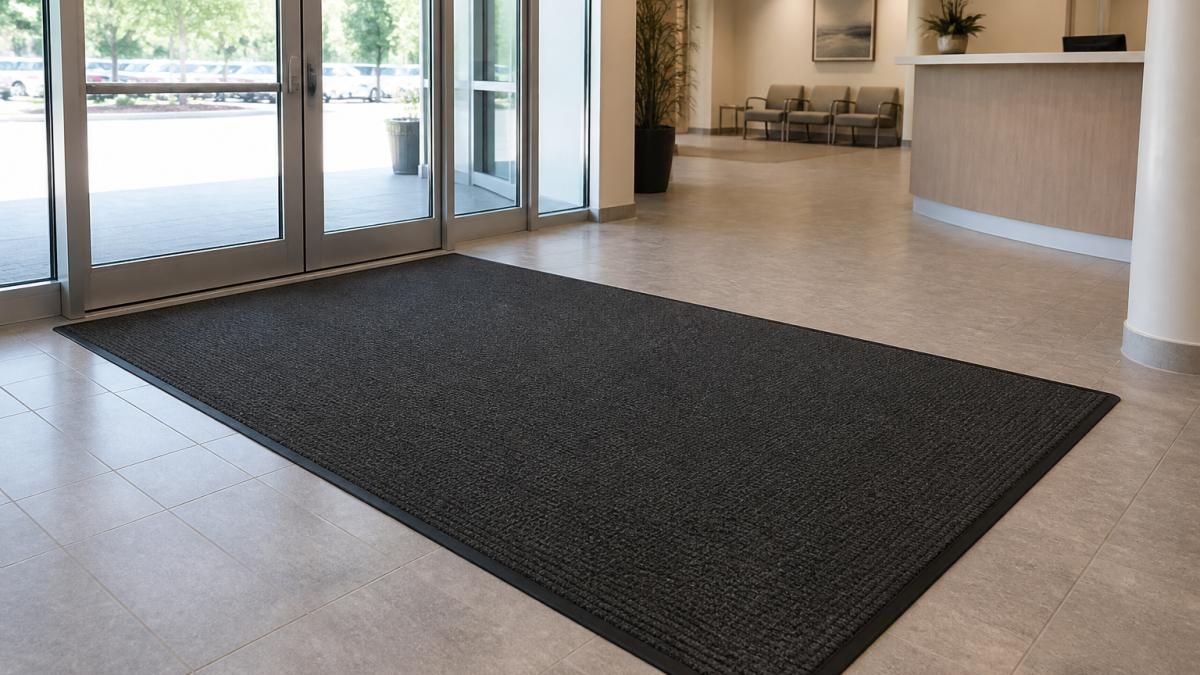
Use a three-zone approach: a scraper mat outside, an absorbent mat in the vestibule, and a fine-textured mat inside the door.
Mats need care too. Vacuum them daily, extract them on a regular cycle, and replace them when edges curl. A curled mat is a trip hazard in a lobby full of patients with mobility aids.
Commercial Carpet Spot Treatment Done Right
Commercial carpet spot treatment works best when it happens within minutes, not at the end of the week. Blot liquids with a clean white cloth from the outside of the spill inward. Scrape solids up with a dull edge. Avoid rubbing, which can drive the stain deeper into the backing.
A Spot Kit That Covers Most Situations
Keep a kit at the front desk and one with the maintenance cart: plain white cloths, a neutral carpet spotter, a spray bottle of plain water, a dull scraper, and a small container for used cloths. Test any product in an inconspicuous corner first, follow the label dilution exactly, and never mix cleaning chemicals together. Watch out: mixing products can create dangerous fumes, and the carpet is not worth the risk.
Response Windows by Spot Type
Not every spot needs the same urgency. Set response windows so staff know when to act and when to call.
| Spot type |
Examples |
Response window |
Who handles it |
|---|---|---|---|
| Water-based food and drink |
Coffee, soda, water |
Within 15 minutes during open hours |
Front desk or maintenance |
| Oily or waxy |
Hand lotion, lip balm, food grease |
Same day |
Maintenance |
| Ink and dye |
Pen ink, printer toner, marker |
Same day, do not over-work |
Professional technician |
| Rust and unknown set stains |
Furniture feet, unidentified spots |
Next scheduled visit |
Professional technician |
| Bodily fluid in non-clinical areas |
Spills in waiting or break rooms |
Follow facility policy, isolate and call |
Trained staff per policy |
Some spots need a professional. Ink, dye, rust, and anything that has set overnight are better handled by a trained technician with the right spotting agents than by repeated attempts with a general-purpose cleaner. Repeated over-wetting with a general spotter can leave a ring or set the stain further, which costs more to fix than the original spill.
Product Verification Before You Use Anything
Before a new spotter enters the building, check four things: the label directions and dilution, the safety data sheet, whether the product leaves a residue that attracts soil, and whether fragrance or additives conflict with facility policy or sensitive occupants. Confirm compatibility with the carpet manufacturer's cleaning recommendations, and keep a copy of the label and safety data on file. A product that works on one carpet can dull or discolor another.
Logging Spots So Patterns Show Up
A simple spot log turns scattered incidents into a maintenance signal. Record the date, area, spot type, product used, who responded, and outcome. Review the log monthly.
When spots keep returning to the same lane or the same chair, the issue is often soil load rather than the spot itself, and that is the point to bring in professional restoration.
How Low-Moisture Encapsulation Carpet Cleaning Works
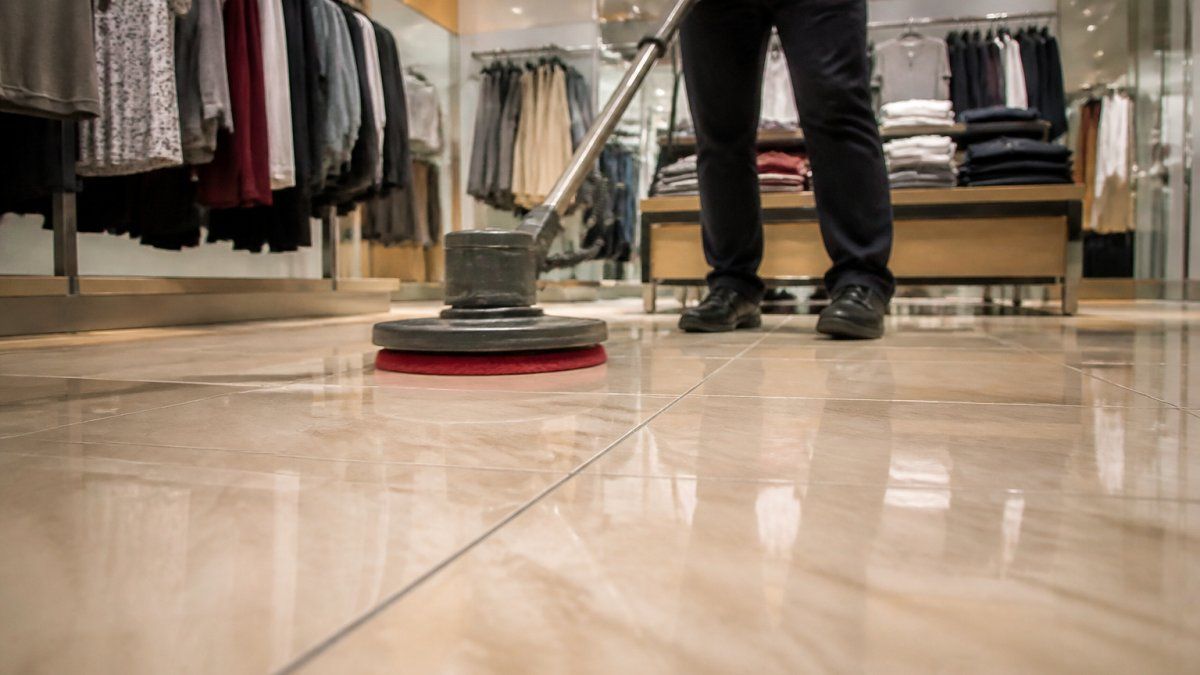
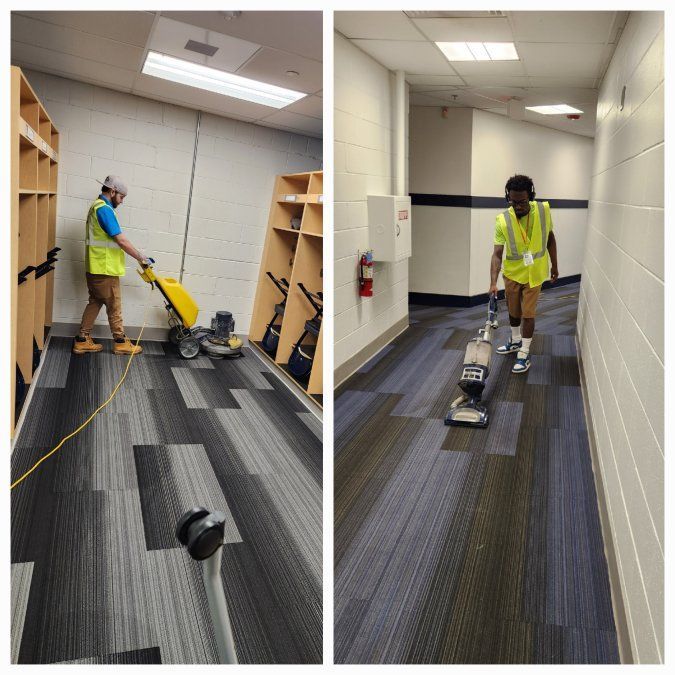
Low-moisture encapsulation carpet cleaning is a method that applies a specialized cleaning solution, agitates it into the fibers with a counter-rotating brush machine, and lets it crystallize around soil for extraction with a vacuum.
The process suits occupied facilities. The process is designed to suit occupied facilities with minimal disruption to patient flow.
For facility managers weighing methods, the practical difference comes down to drying time and access. Readers can find the benefits of low moisture carpet cleaning for facilities.
Choosing Carpet and Planning Your Next Step
Carpet selection in a medical office favors low-nap, commercial-grade nylon with strong stain resistance and a backing suited to the traffic it will take.
Ask three questions before you buy: What is the manufacturer's recommended maintenance schedule? What warranty conditions apply? Can the carpet be cleaned with a low-moisture method?
Then plan the care. At the planning stage, readers can visit the deep carpet cleaning service page to request an estimate.
Frequently Asked Questions
How often should carpet be cleaned in a medical office?
There is no single interval that fits every facility. Professional deep cleaning in medical facilities is commonly scheduled from quarterly to every six months. Set your interval around traffic, soil levels, carpet condition, how each area is used, and the carpet manufacturer's recommendations. Waiting rooms and main hallways usually need more frequent attention than private administrative offices, so build a schedule by zone rather than applying one date to the whole building.
How does low-moisture encapsulation carpet cleaning work?
Low-moisture encapsulation carpet cleaning applies a specialized solution that surrounds soil particles and crystallizes as it dries. The dried crystals are then removed with vacuuming, which lifts the soil out of the carpet fibers. Because so little water goes down, carpeted rooms typically return to service faster than with wetter methods. Ask your provider about drying time before scheduling work in a waiting room or hallway, and confirm the products used are appropriate for a medical office setting.
How can medical offices reduce soil tracked onto carpet?
Entrance matting for commercial facilities does most of the work. Place a scraper mat outside the door and an absorbent mat inside, long enough that people take several steps across it. Vacuum mats frequently, since a loaded mat stops trapping soil and starts releasing it. Prompt commercial carpet spot treatment on coffee, toner, and water marks keeps small marks from setting. Scheduling mat replacement before fibers wear flat also protects the carpet beyond the entry.
What should a carpet-maintenance schedule include?
A workable schedule covers daily vacuuming of high-traffic areas, weekly attention to edges and corners, prompt spot treatment, periodic professional deep cleaning, and mat inspection. Commercial carpet maintenance programs are typically established right after installation and include preventative maintenance. Write the schedule by area, note who is responsible for each task, and record completion so you can adjust frequency when soil levels rise.
How soon can a carpeted room be used after professional low-moisture cleaning?
Most low-moisture encapsulation work leaves carpet ready for normal foot traffic within a short drying window, but the exact time depends on humidity, airflow, and how heavily the solution was applied. Ask your provider for a drying estimate for each area before the visit, and plan waiting-room or hallway work around patient flow. Keep air moving and avoid blocking vents until the carpet is fully dry, then vacuum to remove remaining encapsulation crystals.
Do carpet cleaning products need to be verified for a medical office?
Ask for product information before work begins. Request safety data sheets for every chemical used, confirm the products are intended for commercial carpet, and check that the provider follows label directions for dilution and ventilation. A Smarter Clean uses OSHA-safe cleaning products. Confirm too that team members assigned to your site are background-checked and that the company carries insurance, since both matter in a facility with patient records and equipment on site.
If your waiting room, hallways, or admin areas have gone gray and matted, a walkthrough will tell you what the carpet actually needs. A Smarter Clean provides commercial low-moisture carpet cleaning with flexible nightly, weekly, or monthly programs, background-checked staff, and OSHA-safe products. Get started with A Smarter Clean and request a carpet-cleaning estimate for your facility.