


A red metal shed with a white door and window, set against a backdrop of green pine trees and a clear blue sky.

5 Best Floor Care Tips for Medical Offices

Editorial Team • September 25, 2026

Table of Contents

Last Updated: September 25, 2026

Why Floor Care Matters in Medical and Dental Facilities

Floor care in medical offices is not cosmetic housekeeping. It is part of how a facility manages infection control, slip risk, and patient perception at the same time. This guide from A Smarter Clean covers the five floor care habits that keep exam rooms, corridors, and waiting areas safe and presentable.

Floors in healthcare settings take a beating. Wheelchairs, carts, and foot traffic grind grit into the finish all day. Spills sit until someone notices. And every surface a patient sees shapes how clean they believe the whole practice is.

That is why floor care deserves its own plan, separate from general janitorial work. Routine floor care keeps surfaces intact and easier to clean. Clinical infection control, by contrast, covers sterilization, biohazard handling, and other tasks performed under health department rules. A commercial cleaning provider handles the first. Your clinical team and licensed medical waste vendors handle the second.

The CDC guidance on environmental cleaning in healthcare facilities draws the same line: routine surface cleaning supports a safe environment, but it does not replace clinical disinfection protocols.

Get these five tips right and your floors last longer, your staff trips less, and your patients notice.

Tip 1: Build a Commercial Floor Maintenance Schedule That Works

A commercial floor maintenance schedule is a written plan that assigns every floor task a frequency, an owner, and a floor type. Without it, cleaning happens when someone complains.

Most practices run three layers of care:

  • Daily: Dust mop or microfiber mop high-traffic areas, spot clean spills, and remove grit at entrances
  • Weekly: Machine scrub or auto-scrub corridors and waiting rooms, plus detail edges and corners
  • Periodic: Strip and rewax VCT, deep clean tile and grout, and restore LVT as needed

Match frequency to traffic, not to habit. A dental operatory corridor with 200 daily footfalls needs different attention than a storage room.

Pro Tip
Walk your facility at the end of a busy day and note where the finish looks dull first. That is your true high-traffic zone, and it should drive your schedule more than any generic checklist.

Put the schedule in writing and share it with your cleaning provider. A written schedule is also the fastest way to spot a vendor who is skipping steps.

Tip 2: Respond to Spills Immediately to Protect Floors and Patients

Fast spill response is the single cheapest floor care habit a medical office can build. The longer a liquid sits, the more it damages the finish and the higher the slip risk.

Train every staff member on a simple three-step response:

  1. Cordon the area with a wet floor sign
  2. Blot the spill with an absorbent pad, working from the outside in
  3. Report it to janitorial staff so the surface gets a proper follow-up clean

Water, coffee, and hand sanitizer all behave differently. Water lifts finish. Sugary drinks leave a sticky film that traps grit. Hand sanitizer can dull LVT over time.

Never mix cleaning chemicals to "boost" a spot treatment. Combining products like bleach and ammonia creates dangerous fumes. Use the product labeled for that floor type and let it sit for the full dwell time on the label.

Watch Out
Skipping dwell time is the most common mistake we see. If a disinfectant label says the surface must stay wet for a set number of minutes, wiping it dry early means the product never did its job.

Tip 3: Protect High-Traffic Areas with Matting and Moisture Control

A matting system is your first line of defense against everything that ruins floors. Most of the grit, salt, and moisture in a building walks in through the front door.

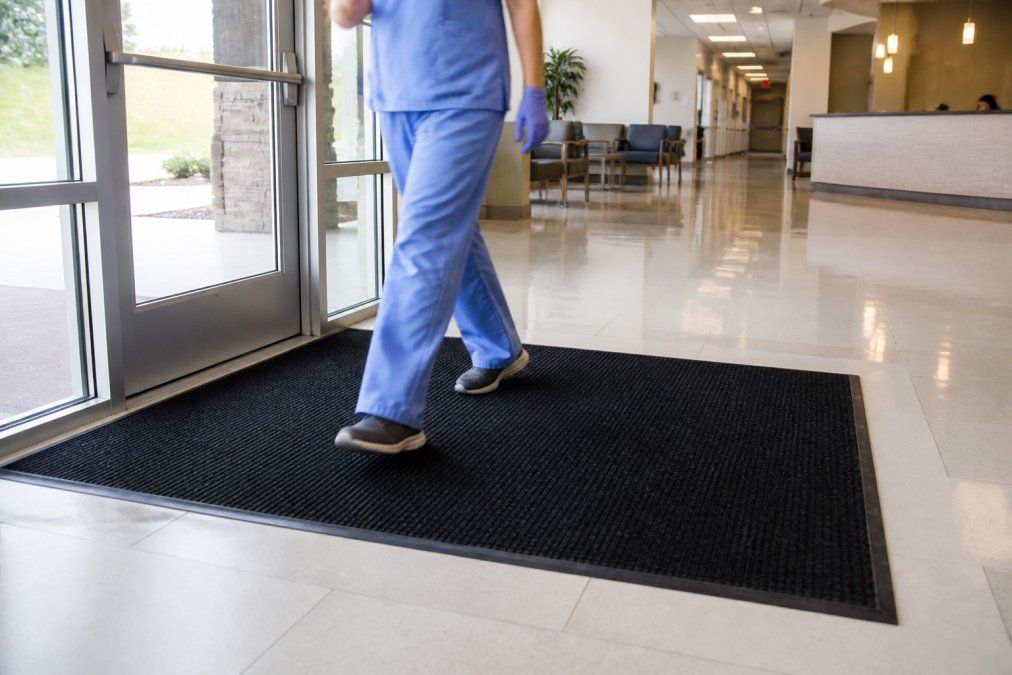
A commercial entrance mat at the doorway of a bright, clean medical office lobby, with a gloved staff member in scrubs walking across it, polished floors visible beyond

A proper system uses at least 10 to 15 feet of matting, split into zones. Scraper matting outside removes coarse grit. Wiper matting inside absorbs moisture. Together they stop most tracked-in debris before it reaches your finish.

Moisture control matters just as much. Wet floors near entrances and restrooms are the top slip risk in any facility. Check matting daily, vacuum or shake it out, and swap wet mats before they soak through.

  • Place scraper mats at every exterior entrance
  • Use absorbent wiper mats in lobbies and elevator bays
  • Add anti-fatigue or drainage matting in wet areas
  • Replace worn mats before edges curl and become trip hazards

Small investment, big payoff. Matting extends the life of every finish in the building.

Tip 4: Match Products and Equipment to Your Flooring Type

Different floors need different care. Using the wrong product on the wrong surface is how finishes get ruined, and in a medical setting it also creates slip risk and downtime. The right approach pairs a specific product, a specific tool, and a specific frequency with each flooring type.

LVT floor care best practices for exam rooms and corridors. Luxury vinyl tile and plank have a wear layer, not a wax coating. Never strip or wax LVT. Instead, dust mop daily with a microfiber pad, damp mop with a pH-neutral cleaner, and use a manufacturer-approved restorer when the surface dulls. Abrasive pads and high-alkaline cleaners scratch or haze the wear layer permanently.

Floor Type Daily Care Periodic Service Watch Out For
LVT/LVP Dust mop, neutral damp mop Restorer when dull Never strip or wax; abrasive pads
VCT Dust mop, damp mop Strip and rewax on wear; scrub-and-recoat between Finish buildup; high-alkaline cleaners
Tile and grout Dust mop, damp mop Deep grout cleaning; reseal Acidic cleaners on grout; soil in grout lines
Commercial carpet HEPA vacuum high-traffic lanes Low-moisture deep clean Over-wetting; moisture in backing
Key Takeaway
The fastest way to void a flooring warranty is using the wrong product. Check the manufacturer's care guide before any new chemical touches the floor.

Train the people who touch the floors. Product charts only work if the staff using them know which mop, which dilution, and which pad goes with which floor. A short laminated chart in each janitorial closet, plus a brief onboarding walkthrough of each floor type in the building, prevents most mistakes. Keep a simple log of what was used where and when. That log helps you spot patterns, supports warranty claims, and gives you a record if a flooring manufacturer or inspector asks questions. Routine floor care logs are not clinical infection-control records, but they are useful documentation for your facility.

Tip 5: Schedule Periodic Professional Maintenance and Deep Cleaning

A good periodic program covers:

  • Machine scrubbing and burnishing to remove embedded soil and restore gloss
  • Floor stripping and finish reapplication for VCT
  • Deep tile and grout cleaning and resealing
  • Low-moisture deep cleaning for commercial carpet
  • Concrete cleaning and sealing in utility and back-of-house areas

What triggers each service.

  • Scrub and recoat: when finish looks dull but is not worn through, and a burnish no longer brings back gloss
  • Strip and rewax: when finish is worn through, yellowed, or built up beyond what scrubbing can fix
  • Grout deep clean and reseal: when grout lines darken or stain despite routine mopping
  • Carpet deep clean: when vacuuming no longer lifts the pile or traffic lanes stay visibly soiled

Pro Tip
Photograph your floors right after a periodic service. Those photos become your baseline, and they make it easy to spot when a service is skipped or rushed.

This is also where a dependable provider earns their keep. Ask any prospective vendor three questions: who actually shows up, what is in the written scope, and how fast they respond to a spill call. A provider that cannot answer all three in writing is a risk.

Choosing Medical Office Janitorial Services That Deliver

Medical office janitorial services should be judged on reliability, documentation, and floor expertise, not on the lowest bid. A half-done job in a medical office is not just an eyesore. It is a safety and compliance concern.

What sets a reliable provider apart:

  • Background-checked staff who show up on schedule
  • Flexible nightly, weekly, or monthly programs
  • OSHA-safe cleaning products
  • Fast communication when something needs attention
  • Written scopes so you know exactly what is covered


Frequently Asked Questions

How often should medical office floors be professionally maintained?

Most medical and dental offices need professional floor care every 3 to 6 months, depending on foot traffic and flooring type. High-traffic areas like waiting rooms and corridors may need attention more often, while exam rooms and back offices can follow a lighter schedule. A commercial floor maintenance schedule should combine daily janitorial tasks with periodic deep cleaning, stripping, and waxing. Work with your provider to set a frequency that matches your actual use.

What is the best way to maintain LVT in a high-traffic medical office?

LVT floor care best practices start with daily dust mopping to remove grit that scratches the wear layer. Damp mop with a pH-neutral cleaner, never a harsh or abrasive product, and use microfiber mops to control moisture. Place walk-off matting at every entrance to reduce tracked-in debris. For high-traffic corridors, add a mid-day spot clean and schedule periodic professional cleaning to keep the finish looking new and the surface intact.

How do you distinguish between janitorial floor care and clinical infection control?

Janitorial floor care covers routine cleaning tasks like sweeping, mopping, buffing, and periodic maintenance to keep floors clean and safe. Clinical infection control involves medical-grade disinfection and sterilization protocols managed by trained healthcare staff. A professional cleaning provider handles the janitorial side, reducing soil and cross-contamination risks, but does not replace clinical disinfection procedures. Understanding this line helps facility managers assign the right tasks to the right team.

Can you guarantee that your staff is reliable and shows up consistently?

Reliability is a core part of professional medical office janitorial services. A dependable provider uses background-checked staff, clear standard operating procedures, and consistent scheduling to make sure your facility is cleaned on time, every time. Ask potential providers about their turnover rate, backup staffing plan, and how they handle callouts. A written service agreement with defined response times gives you a clear standard to hold them to.

By Editorial Team • September 24, 2026
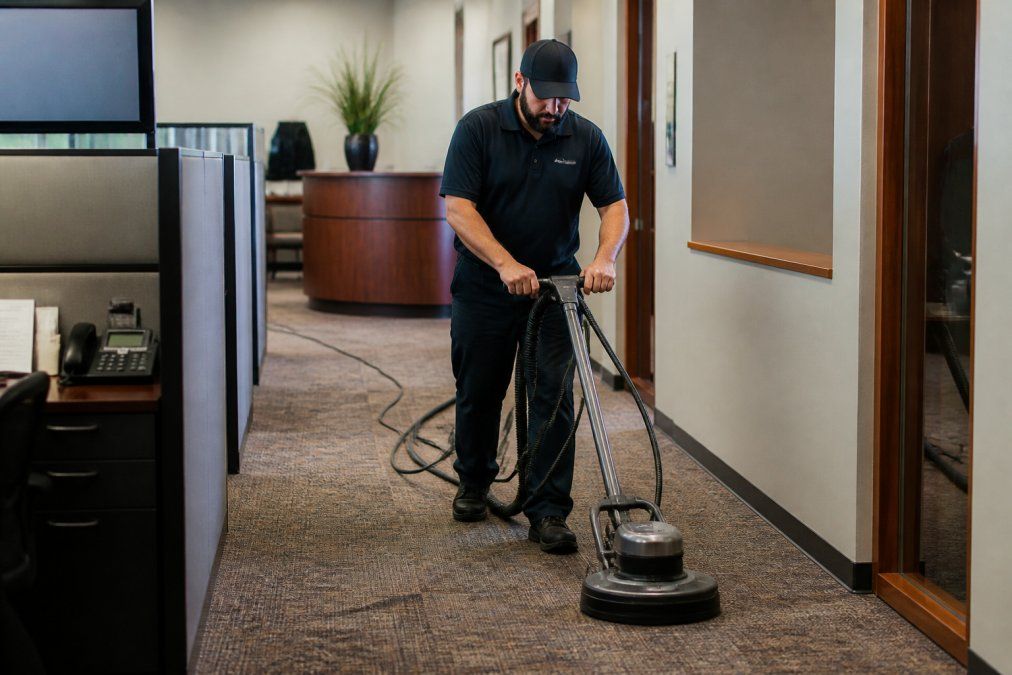
Discover the benefits of low moisture carpet cleaning for commercial facilities: faster dry times, less disruption, and better appearance. Get a quote.
By Editorial Team • September 23, 2026
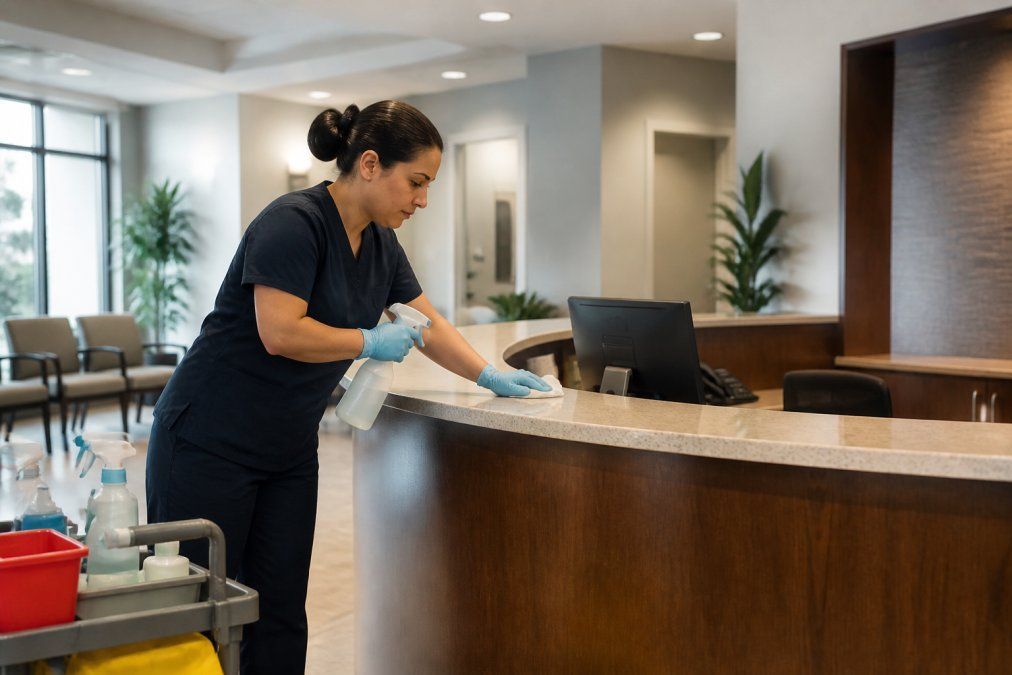
Find reliable commercial janitorial services in Sussex County. Learn what to expect, how to choose, and why professional cleaning matters.
By Editorial Team • September 21, 2026
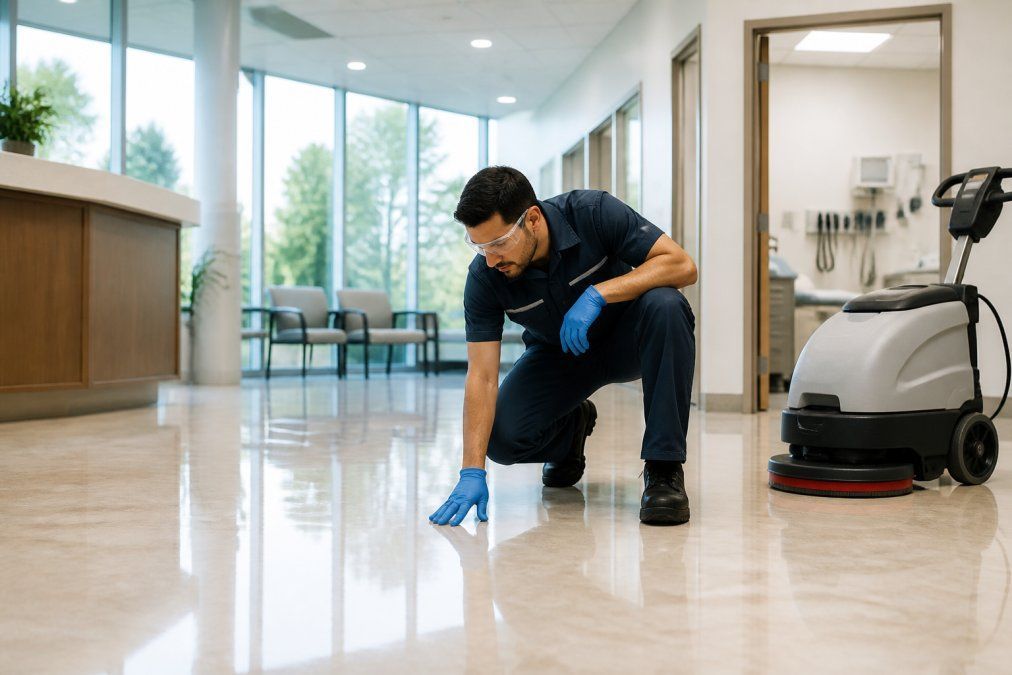
Professional commercial floor care services for businesses, medical offices, and schools. Learn about floor stripping, waxing, maintenance.
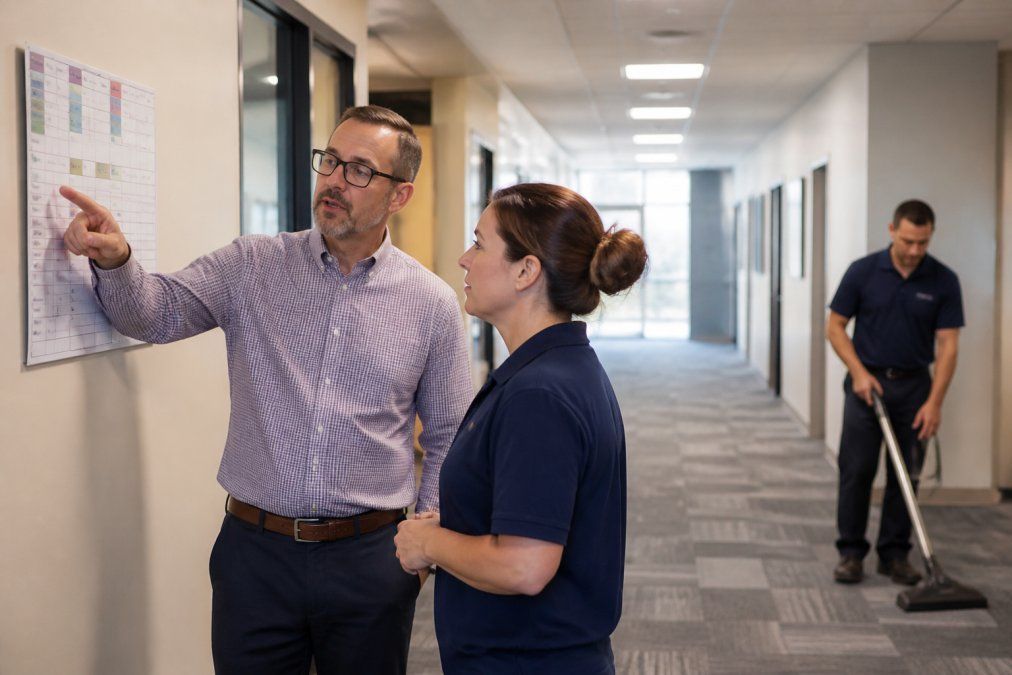
By Editorial Team • September 21, 2026
Practical carpet maintenance tips for facility managers: schedules, stain removal, preventative programs. Discover how to extend carpet life and cut costs.
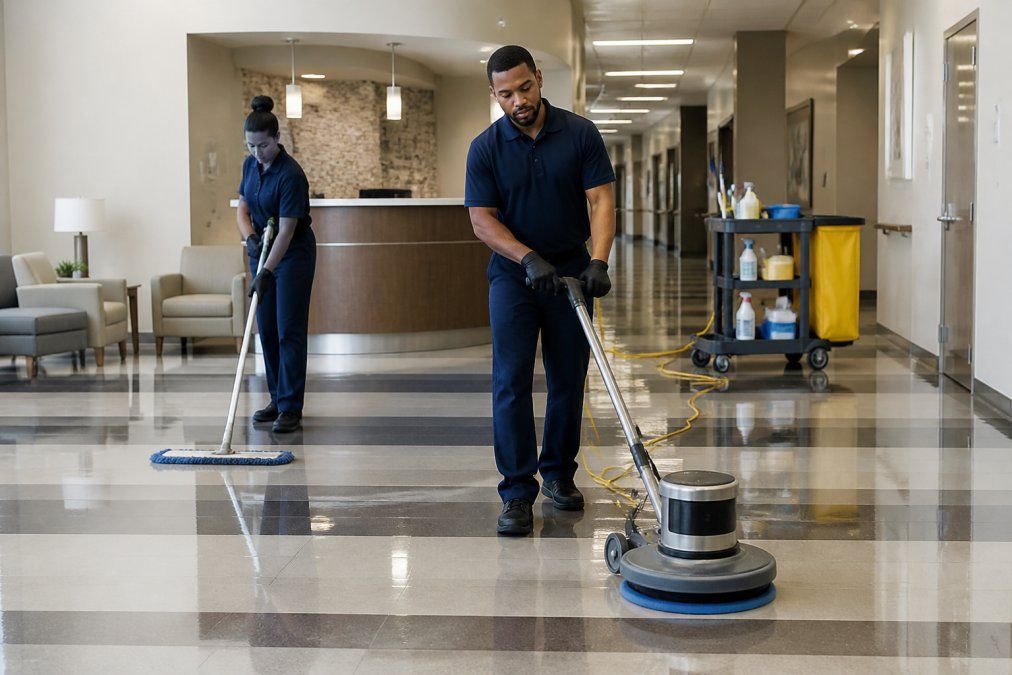
By Editorial Team • September 19, 2026
Discover why facility management outsourcing saves money through lower labor costs, predictable budgets, and consistent results. Learn how to start.
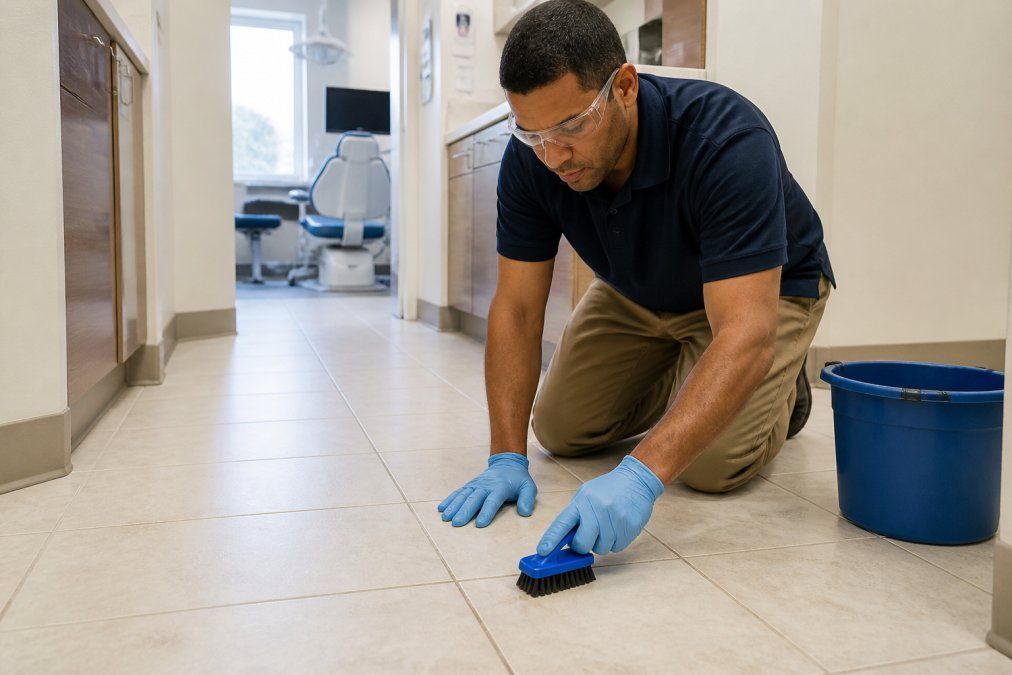
By Editorial Team • September 17, 2026
Learn how to remove stubborn stains from tile and grout safely, plus when to call commercial grout restoration services. Get a free estimate today.
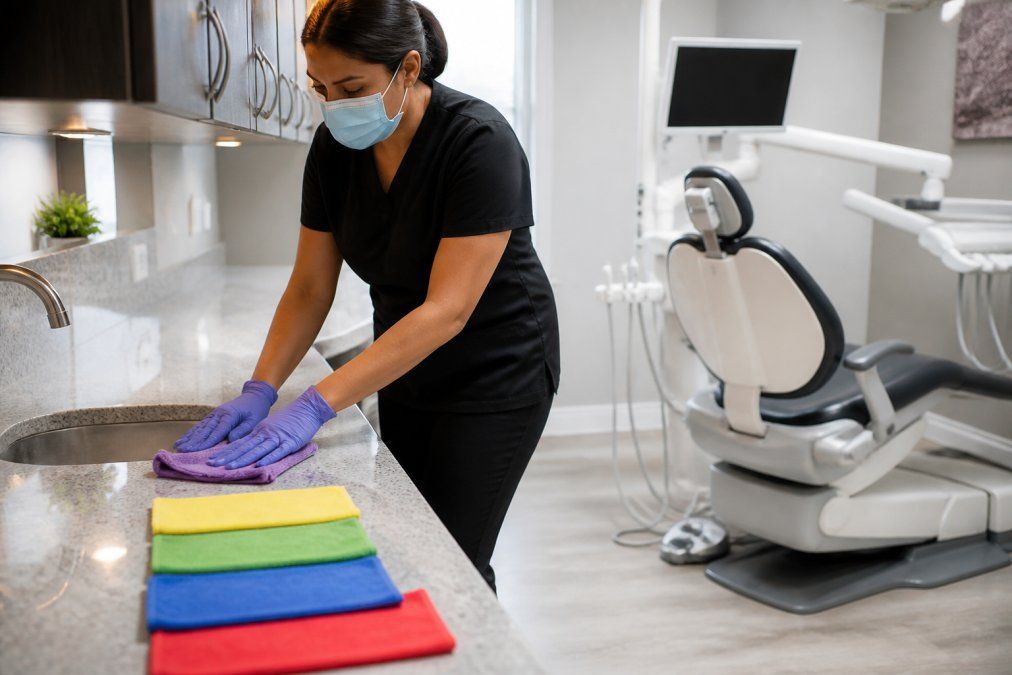
By Editorial Team • September 17, 2026
OSHA compliant cleaning for dental offices starts here. Learn the steps, standards, and staff training that protect your practice. Get a free walkthrough.
By Editorial Team • September 13, 2026
Choosing a commercial floor cleaning company? Learn costs, VCT maintenance, stripping and waxing, and schedules. Get a free floor care estimate today.
By Dawn Stewart • September 9, 2026
Clean and Shiny Floors
By Dawn Stewart • July 19, 2026
Dexter the Inspector Loves Shiny Floors!!!
Show More