

Is Professional Floor Buffing Worth the Cost?
Quick Summary
Floor buffing restores gloss and evens out light wear on hard floors without a full stripping and refinishing job. It works on the existing finish rather than adding a new coat, so it suits floors with a healthy finish that look dull or lightly scratched. For many commercial floors, a regular buffing schedule helps protect the finish and extend the floor's life.
- Buffing adds no new coat; it smooths and re-flows the existing finish.
- Choose buffing when the finish is healthy but dull or lightly marked.
- Strip and refinish when the finish is failing, contaminated, or worn through.
- High-traffic lobbies and corridors usually need buffing more often than private offices.
- Budget buffing as a recurring line item alongside routine cleaning, not as an emergency expense.
Table of Contents
- What Floor Buffing Does for Hard Floors
- Restoring Shine and Removing Light Scratches
- Floor Buffing vs. Polishing: Knowing the Difference
- Extending Floor Lifespan and Protecting Your Investment
- Improving Hygiene, Air Quality and Floor Safety
- How Often to Buff Commercial Floors
- Booking Your Next Floor Buffing Service
- Frequently Asked Questions
Floor buffing is one of the most effective ways to restore the appearance of hard floors without a full stripping and refinishing job. For property managers and business owners, the question is usually not whether buffing works, but whether paying a professional for it is worth the cost. Floors that look tired from foot traffic, dull spots, and light scratches can make a building feel neglected long before the flooring itself has worn out.
What Floor Buffing Does for Hard Floors
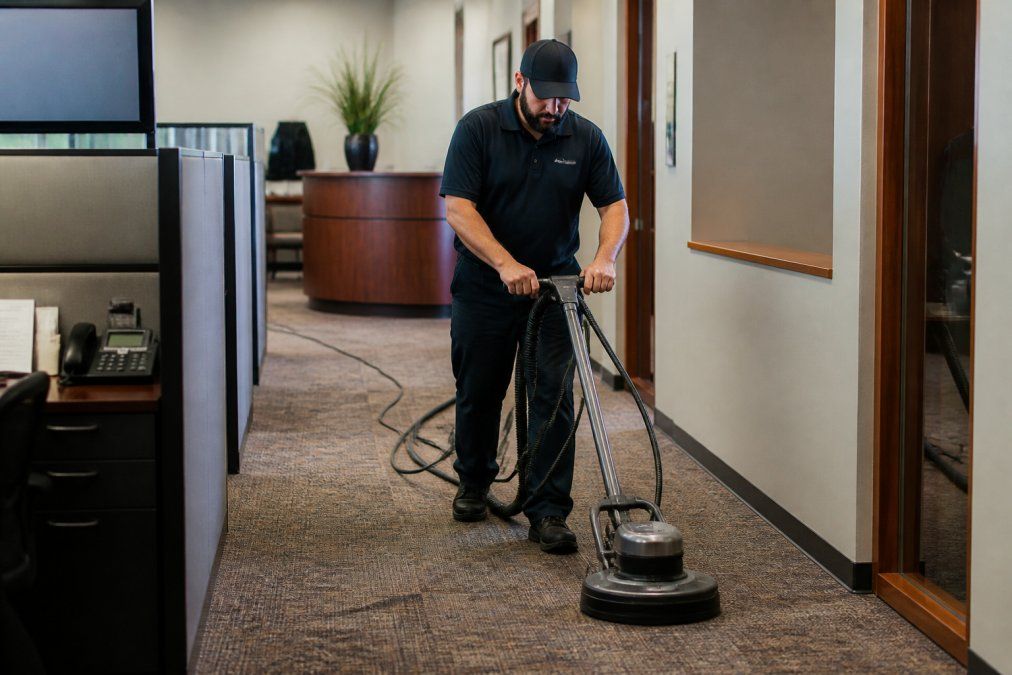
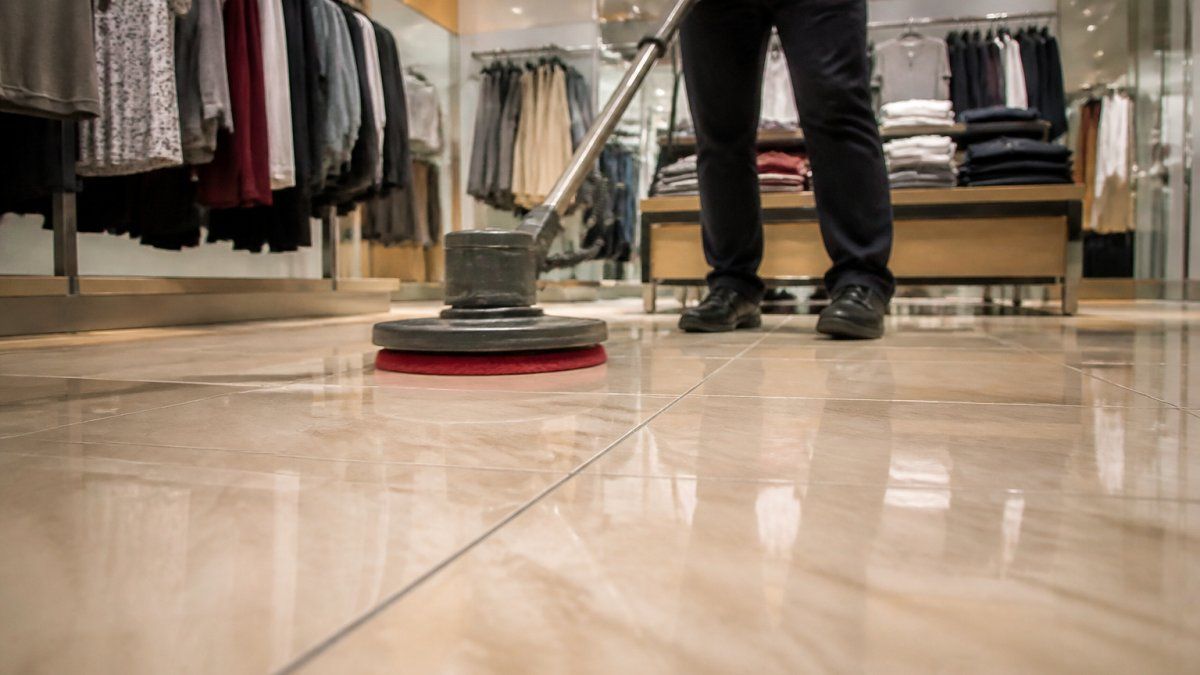
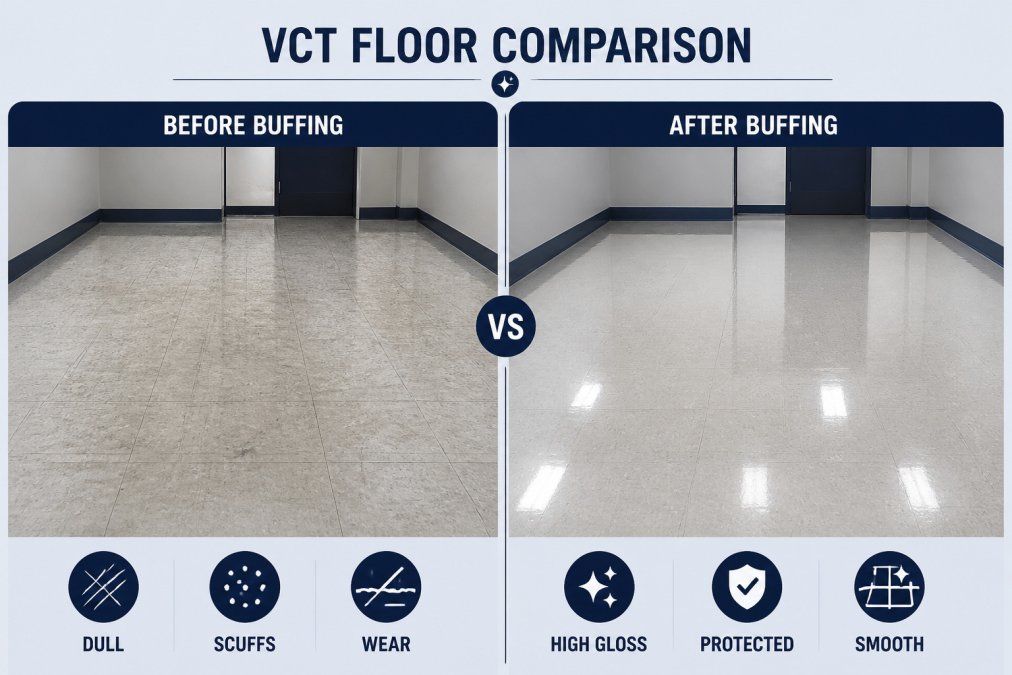
Floor buffing uses a high-speed rotary machine and a pad to smooth the top layer of a floor finish. The process burnishes the surface, which brings back gloss and evens out the appearance of wear. On many commercial floors, buffing is the step that keeps a protective finish working as intended between heavier maintenance cycles.
Buffing does not add a new coat of finish. It works with the finish that is already there, which is why the condition of the existing layer matters so much. A floor with a healthy, consistent finish responds well to buffing. A floor with heavy build-up, peeling, or deep damage usually needs stripping or refinishing first.
Restoring Shine and Removing Light Scratches
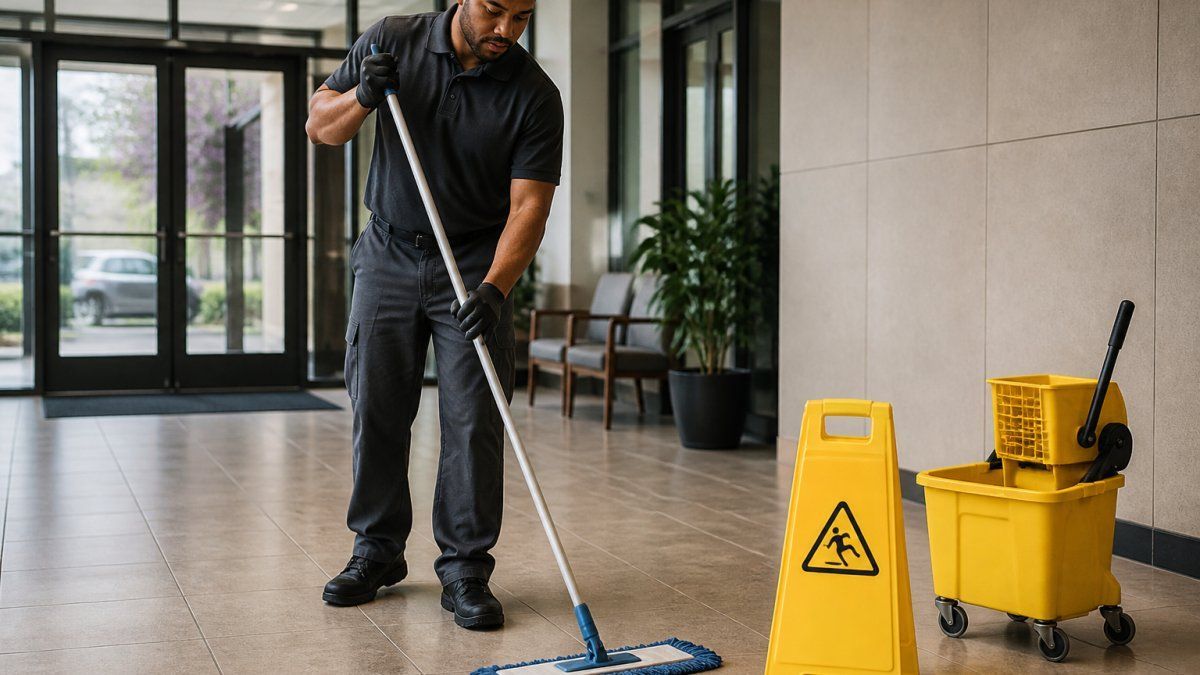
Light scratches, scuffs, and surface marks are the most common reasons facilities call for buffing. Rolling chairs, carts, and daily foot traffic leave fine marks that dull the floor's reflective quality. Buffing reduces the visibility of these marks by re-flowing the finish across the surface.
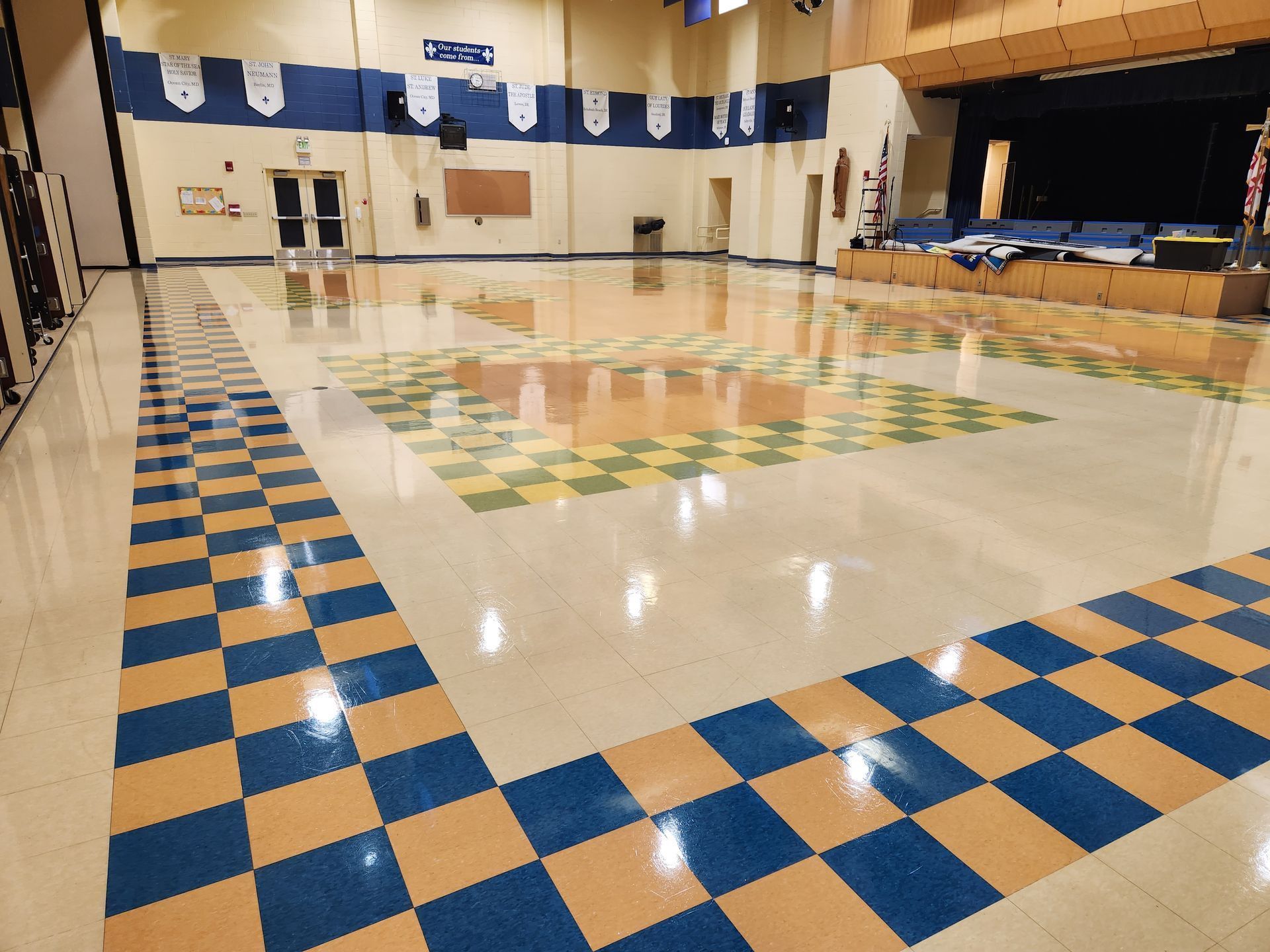
The result is a floor that reflects light evenly again. For lobbies, medical waiting rooms, and corridors where visitors form their first impression, that difference is noticeable. A well-buffed floor reads as professionally maintained, which is often as important to a client as the cleaning itself.
Floor Buffing vs. Polishing: Knowing the Difference
These terms get used interchangeably in sales conversations, which is exactly why so many facilities end up paying for the wrong service. The four treatments below are not variations of the same job, they sit at different points on a spectrum from light surface work to full finish replacement, and each one solves a different problem.
Buffing is mechanical. A rotary or high-speed machine with an appropriate pad works the existing finish, smoothing and re-flowing the top layer to even out light wear and restore an consistent sheen. It adds nothing to the floor. If the finish is healthy, buffing makes it look better; if the finish is failing, buffing just makes the failure shinier.
Polishing typically involves a product, a polish or a spray-buff compound, that adds a thin layer of gloss or fills fine imperfections on top of the existing finish. It is a surface treatment, not a repair. Polishing is a reasonable choice when the finish is intact but looks flat and you want a quick visual lift without a full maintenance cycle.
Burnishing is high-speed buffing, usually with a specialized pad and machine running at higher RPM.
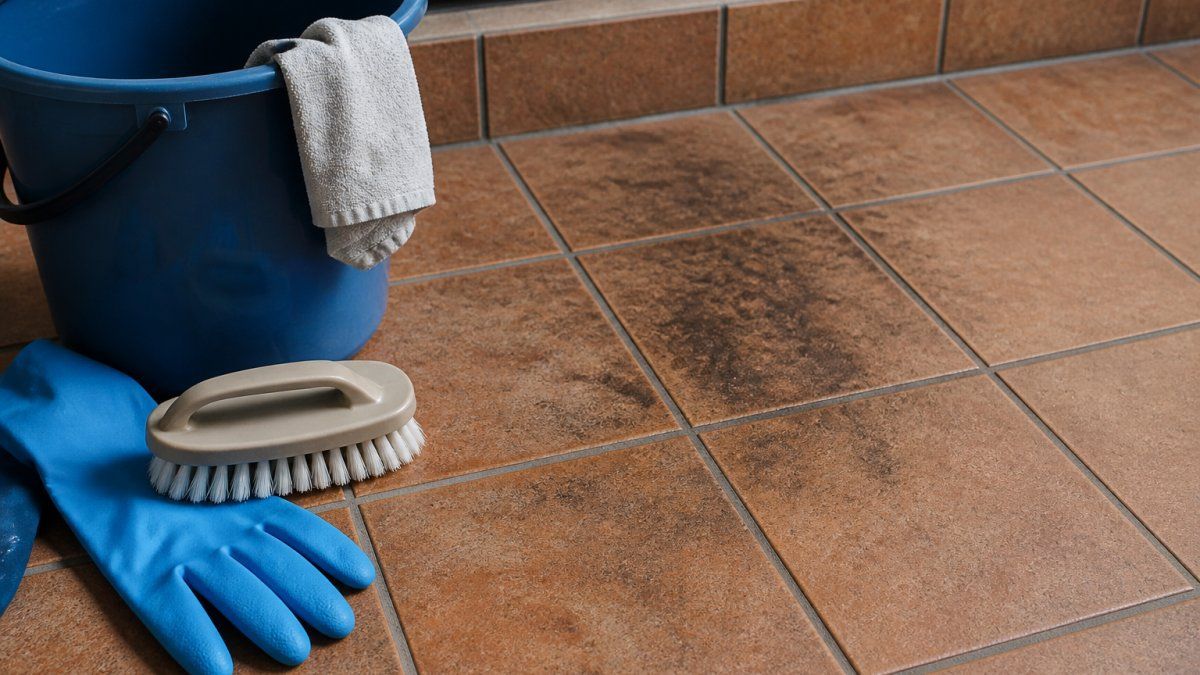
Stripping and refinishing is the heavy end of the spectrum. Stripping removes the old finish down to the base floor; refinishing applies new coats. This is a multi-step, multi-visit operation that requires clearing the area, controlling overspray and dust, and allowing proper cure time between coats.
A simple way to choose: if the finish is intact and the problem is dullness or fine marks, buff or burnish. If the finish is intact but flat and you want a quick cosmetic lift, polish. If the finish is failing, contaminated, or worn through, strip and refinish, buffing will not fix it.
Floor type changes the answer too. Floor type changes the answer too, so the finish and the manufacturer's or provider's guidance should be confirmed before any machine touches a floor.
The four floor treatments differ in what they do and how much work they need, so match the treatment to the condition of the finish.
| Treatment |
What it does |
Choose it when |
|---|---|---|
| Buffing |
Smooths and re-flows the existing finish; adds nothing |
Finish is healthy but dull or lightly marked |
| Polishing |
Adds a thin gloss layer or fills fine imperfections |
Finish is intact but flat; you want a quick lift |
| Burnishing |
High-speed buffing with specialized pad and higher RPM |
Finish is intact and you want more gloss from buffing |
| Stripping and refinishing |
Removes old finish, then applies new coats |
Finish is failing, contaminated, or worn through |
Extending Floor Lifespan and Protecting Your Investment
That is why the lifespan argument for buffing is really an argument about protecting the finish, not the tile.
Here is the mechanism. Protecting that finish from seasonal hazards such as winter salt is covered in how to protect VCT, LVT and concrete floors from winter salt damage. Most commercial hard floors, VCT in particular, are designed around a sacrificial finish layer. The finish takes the abrasion from foot traffic, carts, and chairs so the tile underneath does not. As that finish wears, it dulls, scratches, and eventually wears through in traffic lanes. Once it wears through, the tile itself starts to abrade, and at that point no amount of buffing brings it back.
Pricing depends on quantity, scope, and scheduling. For current prices or a quote, contact A Smarter Clean.
A common pattern among facility managers is to treat buffing as a reactive purchase, call when the floor looks bad, and then be surprised that the floor needs stripping sooner than expected. The buildings that get the longest life out of their floors tend to be the ones that budget buffing as a recurring line item alongside routine cleaning, not as an emergency expense.
Improving Hygiene, Air Quality and Floor Safety
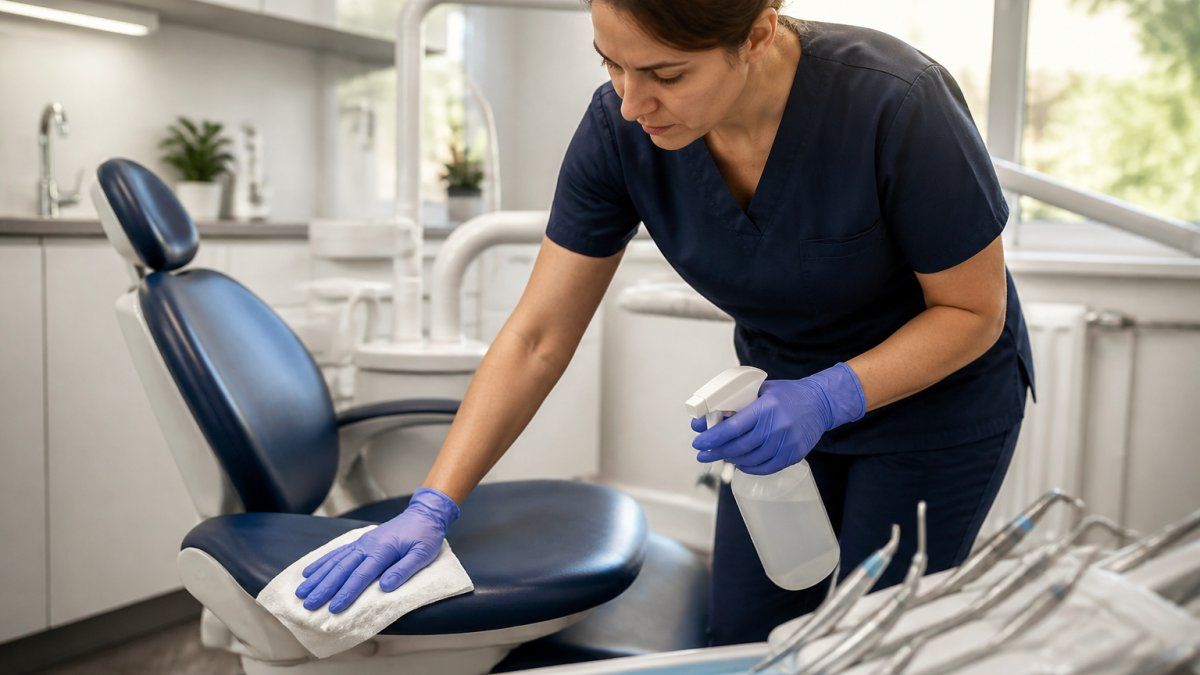
For medical and dental offices, these benefits connect directly to infection control routines. Clean floors are part of a larger program, not a replacement for it, and facility managers should keep buffing within a broader cleaning plan.
How Often to Buff Commercial Floors
There is no single answer that fits every building, but most commercial floors benefit from buffing on a regular schedule rather than only when they look bad. High-traffic areas such as lobbies, corridors, and cafeterias typically need attention more often than private offices. Medical and retail spaces with heavy daily use often justify a more frequent schedule.
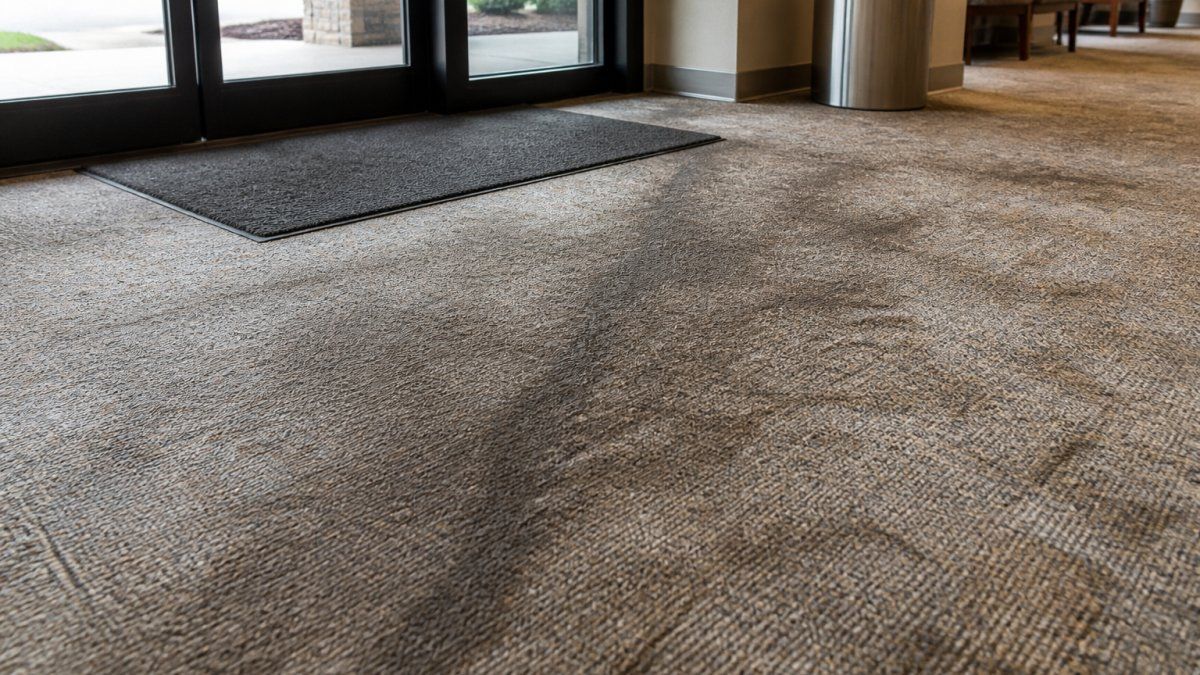
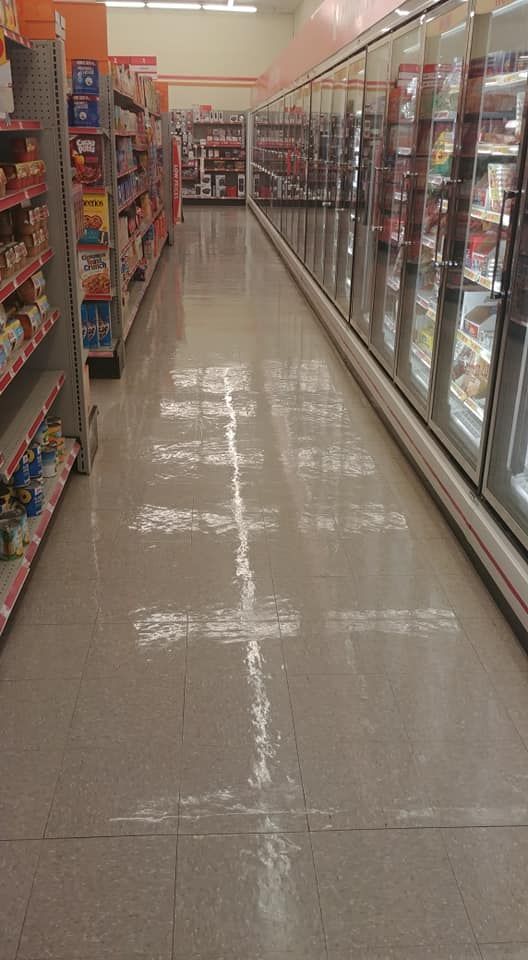
Watch for signs that a floor is due: a visible loss of gloss, scuffs that persist after mopping, and dull zones along traffic paths. When the finish is clearly failing, buffing is no longer the right service, and a stripping and refinishing assessment should follow.
Pair your buffing schedule with the right floor-specific guidance.
Booking Your Next Floor Buffing Service
Before booking, ask the provider a few direct questions. If you are still deciding whether to hire out or handle buffing yourself, this comparison of outsourced floor waxing services and in-house maintenance lays out the tradeoffs. Confirm the floor type and finish to be worked on, and ask how the service is scheduled around your business hours. A reputable provider will explain the process clearly and tell you when buffing will not be enough.
To request a commercial cleaning quote from A Smarter Clean, contact our team to discuss your floors and schedule.
Frequently Asked Questions
Is floor buffing worth it?
For most commercial floors, yes. Buffing restores gloss to a dulled finish and reduces the appearance of light scuffs and surface marks. Its value depends on the floor type, the condition of the finish and how heavily the space is used. Floors with deep scratches or worn-through finish usually need more than buffing, so a professional assessment helps determine whether buffing alone will deliver the result you expect. Pricing depends on square footage and scope, so request a quote from A Smarter Clean for current figures.
What is the difference between buffing and polishing a floor?
Buffing uses a high-speed machine with a pad to abrade the top layer of a floor finish, smoothing out light scuffs and raising shine. Polishing refers to the process of applying a finish or polish product that fills microscopic imperfections to create gloss. Choosing between them depends on how worn the finish looks and what the floor material can tolerate.
How often should commercial floors be buffed?
Frequency depends on foot traffic, the finish type and the appearance you want to maintain. High-traffic lobbies and medical office corridors often benefit from periodic buffing as part of a regular maintenance schedule, while lower-traffic areas may need it less often. Watch for dull spots, visible scuffs or a loss of shine as signals that buffing is due.
How long does professional floor buffing take?
Time varies with the size of the area, the floor type and the condition of the finish. Confirm the schedule with A Smarter Clean before the service begins.