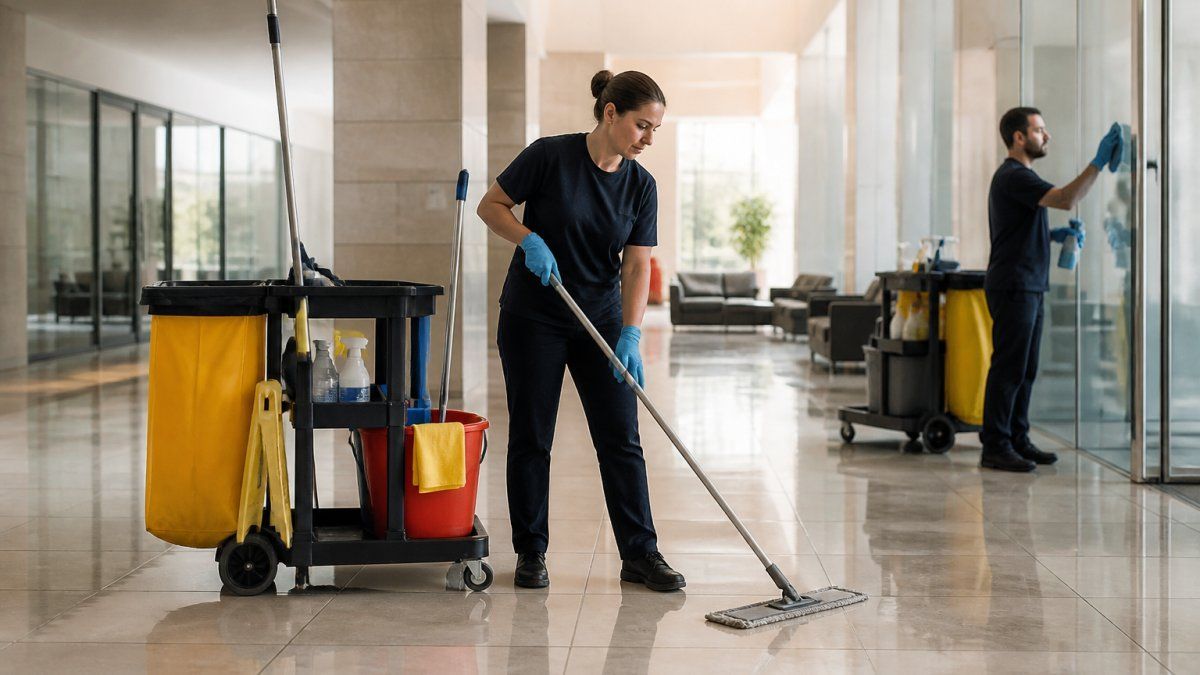



“How to Manage Janitorial Quality in Commercial Buildings”
Last Updated: October 30, 2026
Quick Summary
Janitorial quality is the measurable degree to which a cleaning program meets a written standard, verified through inspection rather than impression. Manage it as a loop: define the scope, set frequencies, score inspections, log corrective actions, and adjust as building needs change.
- A scope of work template lists every task, its area, frequency, and required standard of completion.
- Frequency disputes are the most common source of quality problems, so assign every task a defined interval.
- Use a three-point inspection scale and give critical zones like restrooms and entrances double weight.
- Set a pass threshold in the service-level agreement, such as a weighted score of 90 percent or higher.
- Track five KPIs: inspection score, complaint rate, response time, task completion, and repeat-defect rate.
Table of Contents
- What Janitorial Quality Actually Means in a Commercial Building
- Building a Commercial Cleaning Scope of Work Template
- Setting a Commercial Cleaning Frequency Schedule
- The Janitorial Inspection Checklist: How to Score What You See
- Running a Cleaning Issue Reporting Process That Gets Results
- Where Floor Care Fits in Your Quality Program
- Adjusting Janitorial Services When Building Needs Change
- Requesting a Walkthrough and Customized Cleaning Proposal
- Frequently Asked Questions
What Janitorial Quality Actually Means in a Commercial Building
Janitorial quality is the measurable degree to which a cleaning program meets a written standard, verified through inspection rather than impression.
"The building looks clean" is not a standard anyone can enforce. A tenant notices a sticky conference table, the contractor says it was wiped, and without a written task list and scoring method the conversation goes nowhere.
Below are the documents and routines that make janitorial quality auditable, reportable, and improvable.
Building a Commercial Cleaning Scope of Work Template
A commercial cleaning scope of work template lists every task, the area it applies to, how often it happens, and the standard it must meet. It is the foundation of every quality conversation with a janitorial services provider, because it converts expectations into obligations.
Sections Every Scope Document Should Cover
A usable scope document carries six sections, and skipping any one of them creates a gap later:
- Facility profile: square footage, floor types, room count, hours, and restricted areas.
- Task list by area: restrooms, kitchens, shared spaces, offices, lobbies, entrances, and floors.
- Frequency column: daily, weekly, monthly, quarterly, or annual for every task.
- Standard of completion: what "clean" means, such as "no visible soil, no streaks, dry to the touch."
- Supplies and equipment responsibility: who provides consumables and whose equipment touches your floors.
- Reporting and inspection terms: how issues get reported, who inspects, and how quickly corrective action is expected.
Matching Scope to Facility Type
A medical or dental office carries different priorities than a bank branch or a church. Patient-facing spaces need consistent high-touch disinfection and strict attention to restrooms and waiting areas; schools need cafeteria and restroom coverage timed around the school day; multi-tenant buildings need common areas and entrances handled on a schedule that keeps up with foot traffic.
Setting a Commercial Cleaning Frequency Schedule
A commercial cleaning frequency schedule assigns every task in the scope a defined interval, so staff and management share the same expectation about any given visit. Frequency is where most quality disputes originate: one party assumes daily, the other delivers weekly.
COMMERCIAL CLEANING PROCEDURES EXPLAINED | The Complete Professional Cleaning Training Guide.
Cleaning Sysytems Pro
Daily, Weekly, and Periodic Tasks
Daily tasks typically cover restrooms, trash removal, high-touch surface wiping, breakroom surfaces, and spot mopping of entrances. Weekly tasks include detail dusting, baseboards, deeper restroom descaling, and entry glass.
| Frequency |
Typical Tasks |
Areas Most Affected |
|---|---|---|
| Daily |
Trash removal, restroom cleaning, high-touch wiping, spot mopping |
Restrooms, breakrooms, entrances |
| Weekly |
Detail dusting, baseboards, glass, restroom descaling |
Offices, lobbies, shared spaces |
| Monthly |
Carpet spot treatment, hard floor scrub, vent dusting |
Corridors, conference rooms |
| Quarterly or seasonal |
Floor stripping and waxing, deep carpet cleaning, tile and grout |
Lobbies, hallways, cafeterias |
Flexible programs matter here. A nightly schedule suits a busy medical office; a smaller church may only need weekly service with periodic floor work. Customizable cleaning schedules let frequency be structured around your occupancy pattern rather than a generic package.
The Janitorial Inspection Checklist: How to Score What You See
A janitorial inspection checklist is a scored list of tasks and zones that a manager walks on a set cadence, producing a number that can be tracked over time.
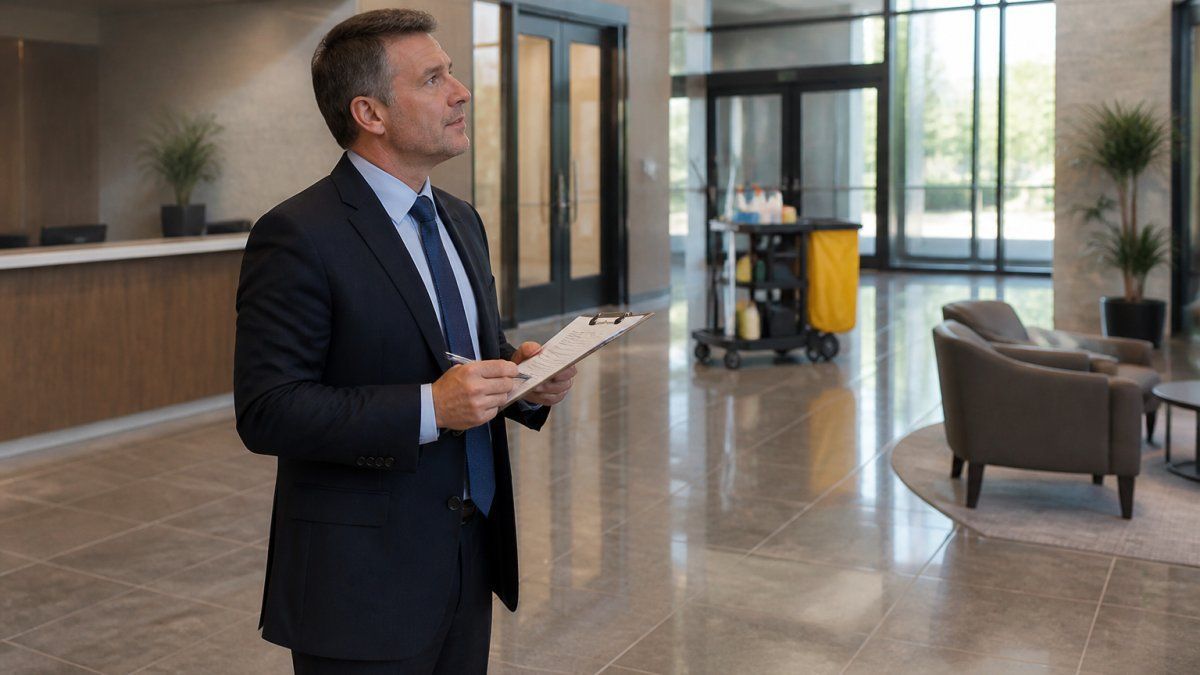
Most checklists stop at the list.
Choosing a Scoring Scale
A three-point scale is the most workable for routine inspections: 0 for failed (visible soil, missed task, or safety issue), 1 for acceptable (meets the written standard), and 2 for exceeds standard. A five-point scale invites arguments about whether a 3 or a 4 was earned. Pick one scale, define each rating on the form, and use it unchanged across every building so scores are comparable month to month.
A workable checklist looks like this:
- Restroom fixtures free of soil and odor
- Dispensers filled and functioning
- Trash removed and liners replaced
Weighting Critical Zones
Not every square foot deserves equal weight. Critical zones are the areas tenants and visitors judge first and complain about fastest: entrances, restrooms, breakrooms, reception, and elevator or stair landings.
Assign a weight to each zone rather than scoring every line equally. One common approach gives restrooms and entrances double weight, shared spaces and breakrooms standard weight, and back-of-house areas single weight.
Setting Pass Thresholds
Set a pass threshold in the service-level agreement, for example, a weighted score of 90 percent or higher on routine inspections, with no critical-zone line scored 0. Two thresholds are more useful than one: a routine pass threshold for normal walks and a corrective threshold that triggers a formal response when a zone falls below it.
Sampling and Cadence
Inspecting every zone on every visit is impractical. Sample instead: rotate through zones on a published schedule so each area is inspected at least monthly, and inspect critical zones on every walk. Vary the day and time, a restroom inspected at 9 a.m. tells you something different from the same restroom at 3 p.m. after a lunch rush.
Tracking Defects and Repeat Findings
For every line scored 0, record the zone, the task, the date, and a photo if possible. Then track two derived measures: open defects and the repeat-defect rate, the share of defects that recur in the same zone within a set window, such as 30 days. Repeat defects signal a structural fix (route timing, staffing, scope gap) rather than a one-off miss, and belong on the agenda of the next review meeting.
From Score to Corrective Action
Close the loop by tying each failed line to a corrective action with an owner and a due date: defect logged, action assigned to a named supervisor, correction verified at the next inspection, defect closed. If the same defect appears twice, escalate it from a task fix to a scope or staffing review.
Running a Cleaning Issue Reporting Process That Gets Results
A cleaning issue reporting process is the defined path a complaint travels from the person who notices it to the person who fixes it, with a record at each step. It fails when reports go to a phone call nobody logs, or when the same issue is reported three times with no visible change.
Keep it simple and written:
- One intake channel. A shared email address, a form, or a designated contact, so nothing gets lost in a hallway conversation.
- A standard report format. Location, description, date observed, and photo if possible.
- A response window. State in the service-level agreement how quickly acknowledgement and correction are expected for routine versus urgent issues.
- A log. Every report gets a line, even the ones resolved in an hour.
Corrective Action and Follow-Up
Corrective action is the documented step that fixes the root cause, not just the symptom.
This is the part most providers skip, and it is where vendor relationships either mature or erode. Structuring that accountability so it survives staff turnover on either side is a good practice worth building into your vendor relationship. For more, see these best practices for managing cleaning vendors.
The KPIs Worth Tracking
A reporting process produces data; a handful of measures turn that data into management. Five are enough to run a building without drowning in reports:
- Inspection score. The weighted score from the routine walk, tracked as a trend rather than a single number. A score that drifts down over two or three months needs attention before complaints arrive.
- Complaint rate. Reports per month, normalized by square footage or occupant count so buildings of different sizes can be compared. Watch the trend, not the absolute number.
- Response time. The gap between report logged and acknowledgement, and between acknowledgement and correction. Track routine and urgent issues separately.
None of these require software. A shared spreadsheet with one row per inspection and one row per report will carry a single building for years. What matters is that the same measures are recorded the same way every month so the trend is real.
Reporting Cadence and the Review Meeting
Set a reporting rhythm and hold it. A monthly one-page summary, inspection score, complaint count, open defects, repeat-defect rate, and periodic tasks completed, is enough for most facilities. A quarterly review meeting with the cleaning provider walks the trend, reviews open corrective actions, and agrees on adjustments. Bring data rather than impressions.
Tenant Feedback and Closing the Loop
Occupants are your best inspectors for the zones they use daily. Give them a low-friction way to report, a QR code on a restroom or breakroom sign that opens a short form, or a standing item in a tenant meeting, and close the loop by telling them when the issue was resolved.
Vendor Scorecards and Contract Governance
The reporting data should feed a simple scorecard for the cleaning provider, reviewed on the same quarterly cadence. Combine the inspection score trend, complaint rate, response-time performance, periodic task completion, and repeat-defect rate into a single page with a rating for each, and use it to drive the review agenda and document remediation plans when a measure falls below threshold.
Where Floor Care Fits in Your Quality Program
Floors are the largest visible surface in any commercial building, and they are the fastest to show neglect. Janitorial quality and floor care are the same program: a lobby with clean counters and a dull, scuffed floor still reads as poorly maintained.
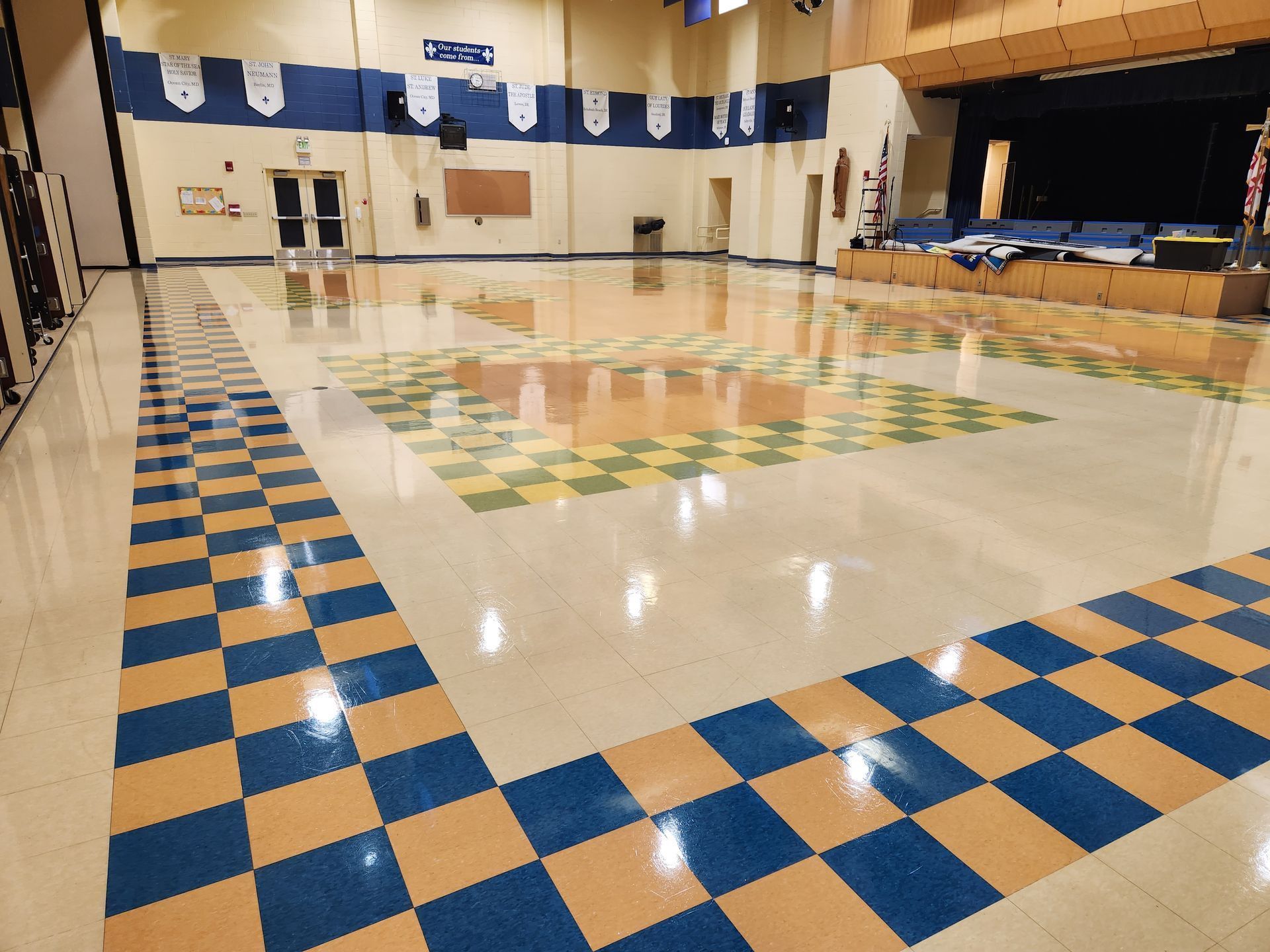
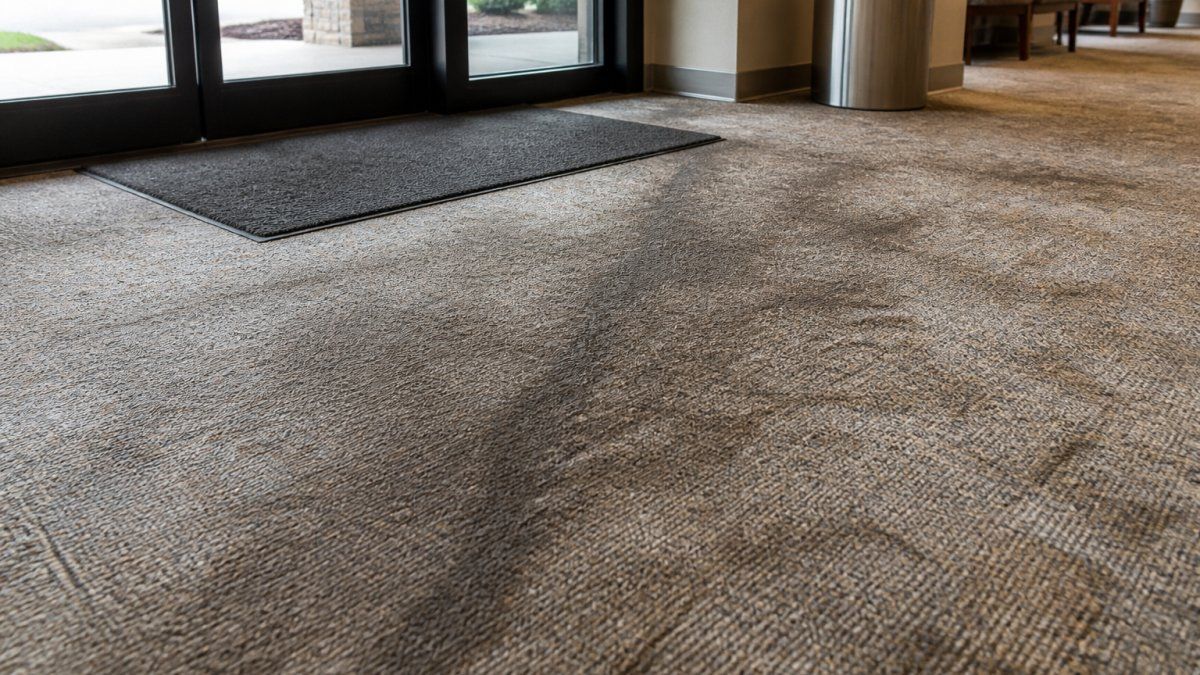
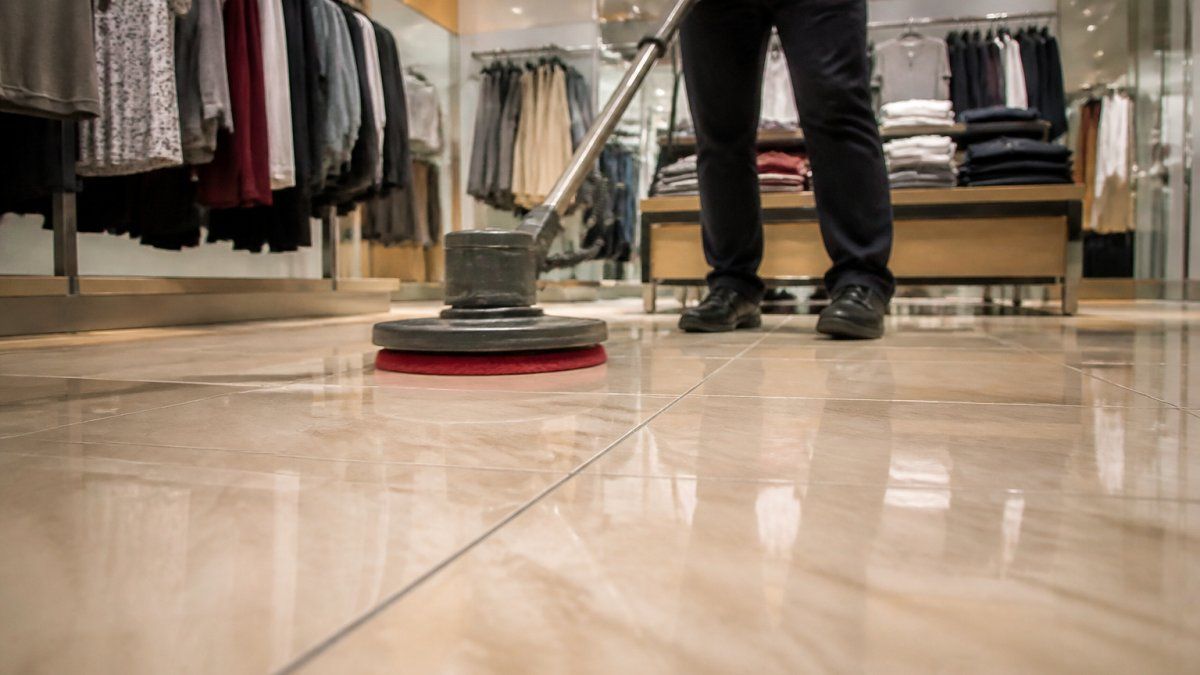
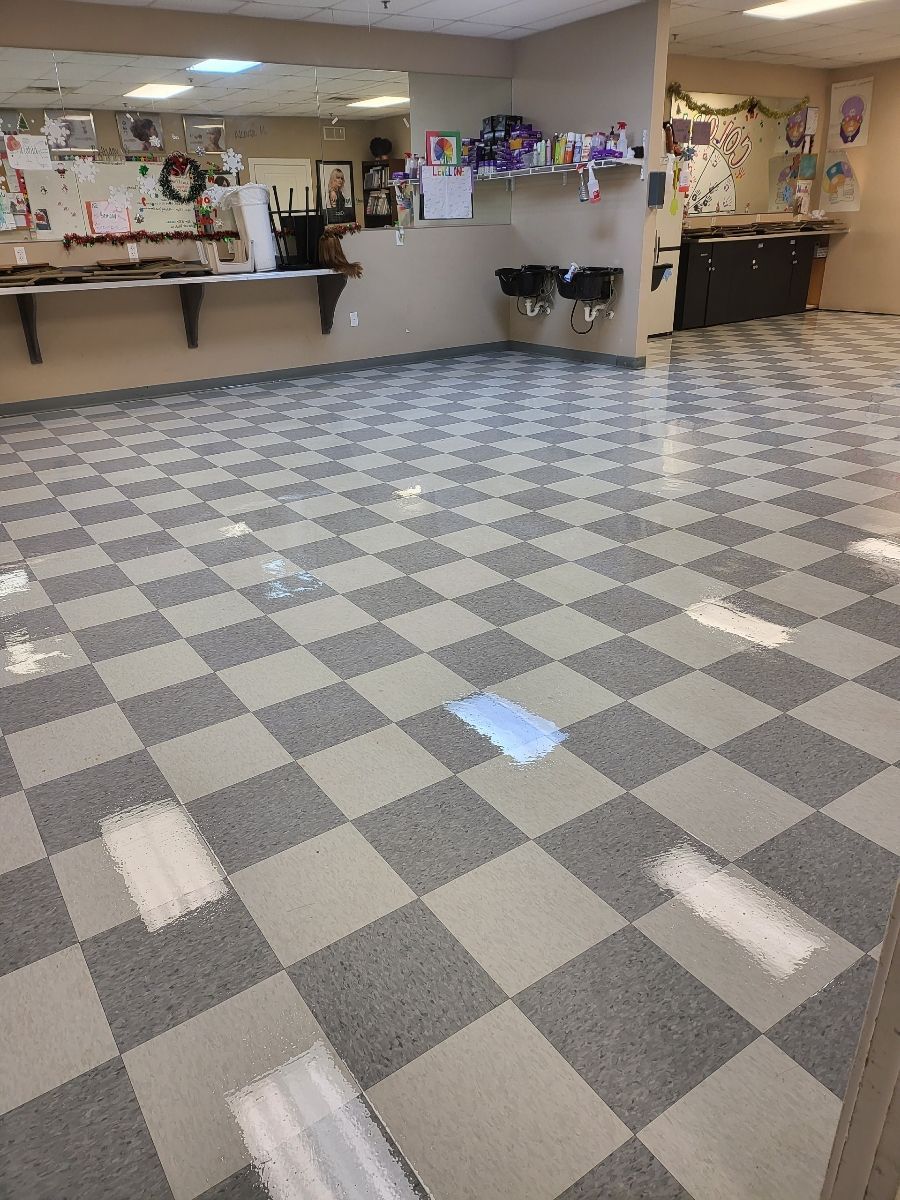
Scheduled floor maintenance belongs in the scope as periodic work with its own intervals. Vinyl composition tile needs stripping and waxing on a cycle, with scrub-and-recoat and burnishing in between to keep the finish from degrading ( Simple Steps Toward More Sustainable Floor Care - ISSA). Carpet needs scheduled cleaning with methods suited to the fiber and traffic level ( Cleaning and Maintenance).
Buildings that treat floor care as an emergency purchase end up paying for restoration instead of maintenance. This guide to maintaining VCT floors covers the practical steps.
Adjusting Janitorial Services When Building Needs Change
A scope written eighteen months ago is probably wrong today.
Review the scope on a fixed cadence, at minimum annually and after any significant change to the building.
Quality assurance in janitorial services is not a document you file and forget. It is a loop: scope, frequency, inspect, report, correct, adjust.
Requesting a Walkthrough and Customized Cleaning Proposal
A walkthrough is where janitorial quality gets specified for your building specifically.
Before you request proposals, know what you are evaluating. Comparing scope depth, inspection practices, staffing reliability, and reporting is a sound way to evaluate any commercial cleaning provider.
At A Smarter Clean, team members assigned to customer job sites are background-checked, and the company is insured. Local readers can visit our commercial cleaning and floor care services in Sussex County Delaware page to request a walkthrough and customized proposal.
Most janitorial problems are management problems wearing a mop. A written scope, a defined frequency, a scored inspection, and a logged corrective action will do more for your building than switching contractors ever will.
Frequently Asked Questions
How do you measure janitorial quality in a commercial building?
Measure janitorial quality with scheduled inspections that score specific areas against your written scope, not with informal walkthroughs. Track a small set of metrics: inspection scores by zone, task completion against the frequency schedule, how many issues were reported and closed, and how quickly corrective action happened. Tenant or staff feedback adds the perspective inspections miss. Review the numbers with your provider monthly so problems surface before they become complaints, and keep the same criteria every month so scores stay comparable.
What should a commercial cleaning scope of work template include?
A commercial cleaning scope of work template should list every area of the building, the tasks required in each, how often each task happens, and the standard the result must meet. Include restrooms, break rooms, lobbies, offices, floors, trash removal, high-touch surfaces, and any specialized work such as floor stripping and waxing or low-moisture carpet cleaning. Add supply responsibilities, access and security procedures, staffing expectations, and the inspection and reporting process so both sides know how quality will be judged.
How often should a commercial building be cleaned?
Most commercial buildings need daily attention in restrooms, break rooms, and high-traffic areas, with weekly tasks like detail dusting and periodic work such as floor care scheduled on a longer cycle. Medical and dental offices, schools, and banks often need higher frequency in specific zones than a general office. Build your commercial cleaning frequency schedule around actual traffic and use, then revisit it when occupancy or layout changes. A provider can walk the building with you to set realistic frequencies.
What should be included on a janitorial inspection checklist?
A janitorial inspection checklist should break the building into zones and list observable conditions for each: restroom fixtures and supplies, floor condition, trash levels, surface dust, glass and entry areas, and high-touch surfaces. Score each item on a simple scale, note the date and inspector, and record photos of any failure. Keep the checklist tied to the scope of work so a low score always points to a specific missed task, which makes corrective action straightforward.
How should facility managers report cleaning issues to a provider?
Use one channel and one format. A simple form or email template with the location, the issue, the date, and a photo gives the provider what they need to act. Route it to a named contact rather than a general inbox, and agree on who responds and by when. Log every issue so you can spot repeats, and review open items at your regular check-in. A consistent cleaning issue reporting process turns complaints into trackable corrective actions.
How can a facility manager adjust cleaning services when building needs change?
Review the scope and frequency schedule whenever occupancy, layout, or use changes, such as a new suite, a seasonal staffing shift, or a change in patient or student traffic. Bring inspection data and issue logs to the conversation so adjustments are based on evidence. Most changes are small: adding a zone, raising frequency in one area, or adding a scheduled floor-care cycle. Confirm any change in writing so the scope document and the crew's task list stay in sync.
What is the difference between routine janitorial cleaning and floor care?
Routine janitorial cleaning covers the repeated tasks that keep a building presentable and hygienic: trash removal, surface wiping, restroom cleaning, vacuuming, and mopping. Floor care is scheduled restoration and protection work such as VCT stripping and waxing, scrub-and-recoat, burnishing, LVT/LVP maintenance, low-moisture encapsulation carpet cleaning, and tile and grout cleaning. Floor care belongs on its own calendar cycle because it protects the finish and extends the life of the flooring rather than just removing daily soil.