



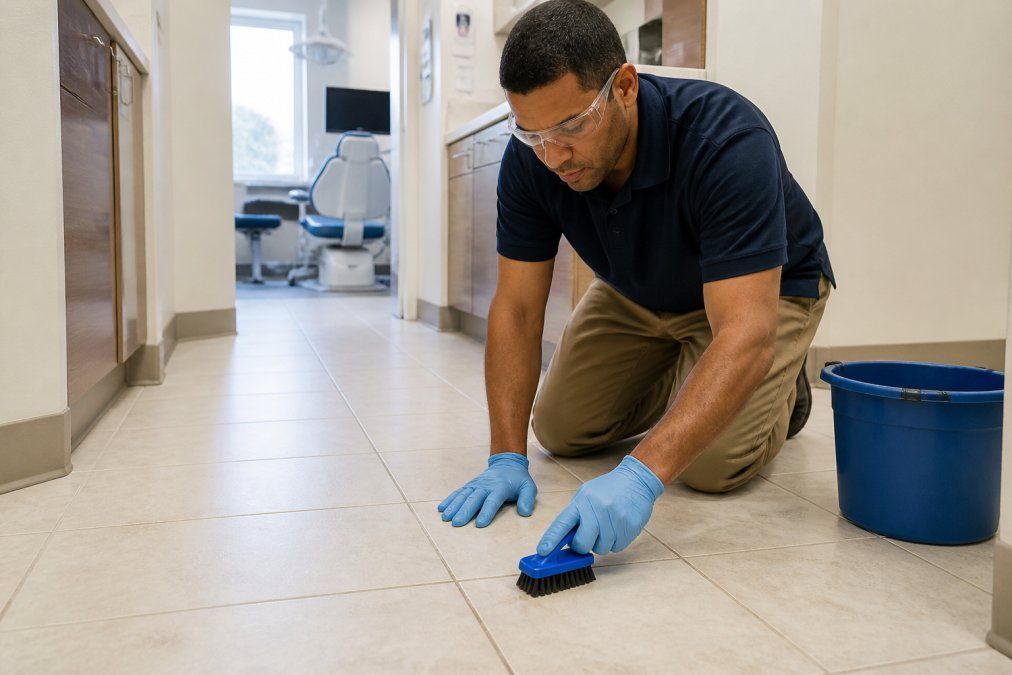
Learn how to remove stubborn stains from tile and grout safely, plus when to call commercial grout restoration services. Get a free estimate today.
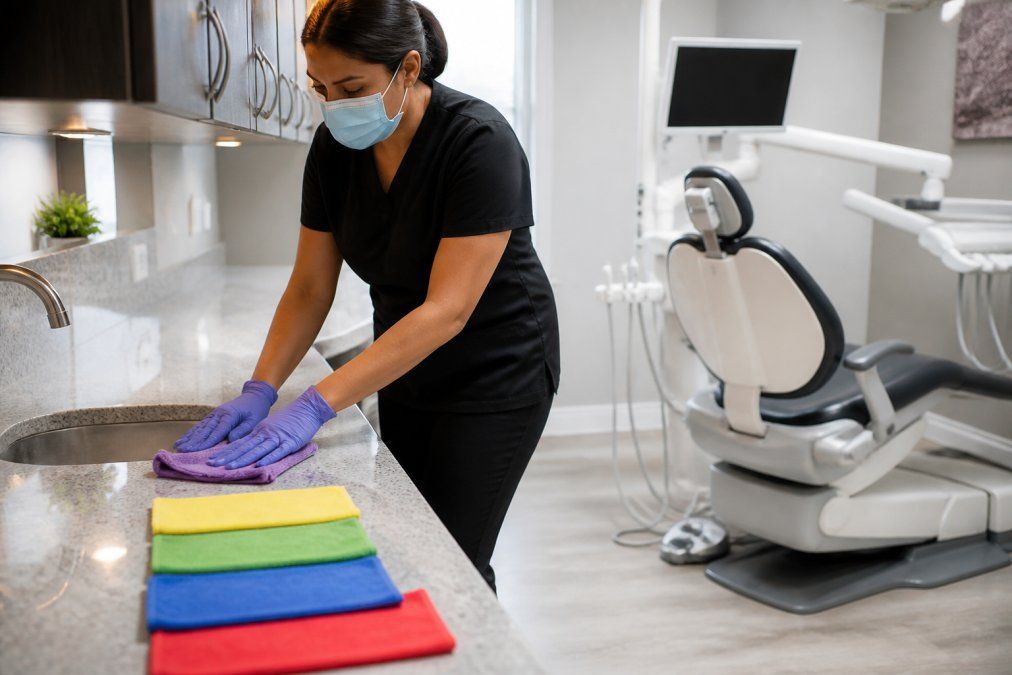
OSHA compliant cleaning for dental offices starts here. Learn the steps, standards, and staff training that protect your practice. Get a free walkthrough.
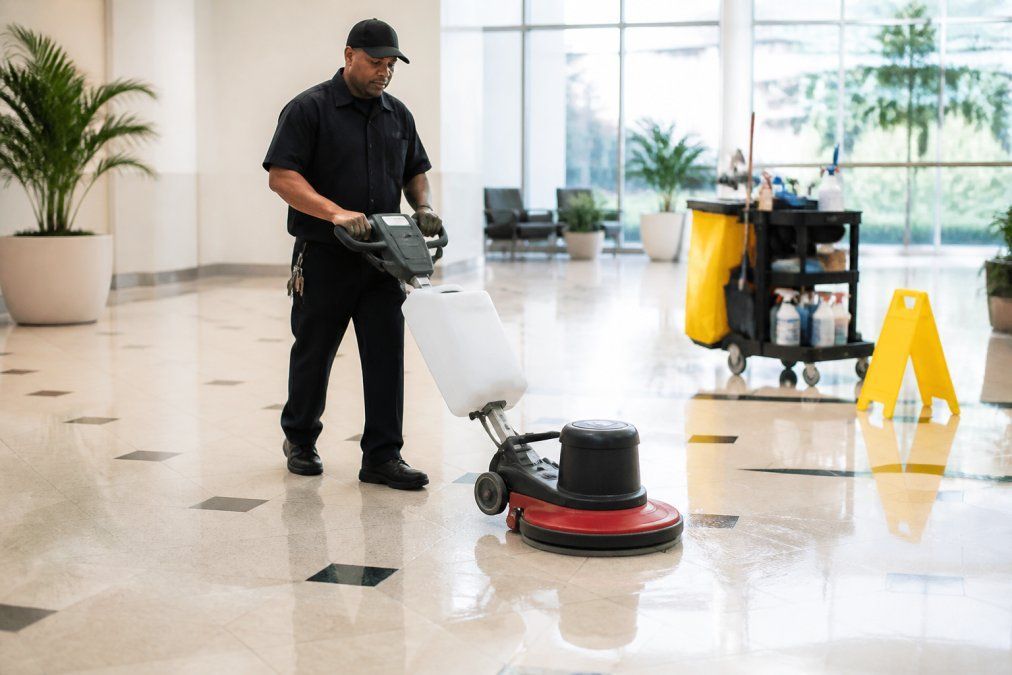
Choosing a commercial floor cleaning company? Learn costs, VCT maintenance, stripping and waxing, and schedules. Get a free floor care estimate today.
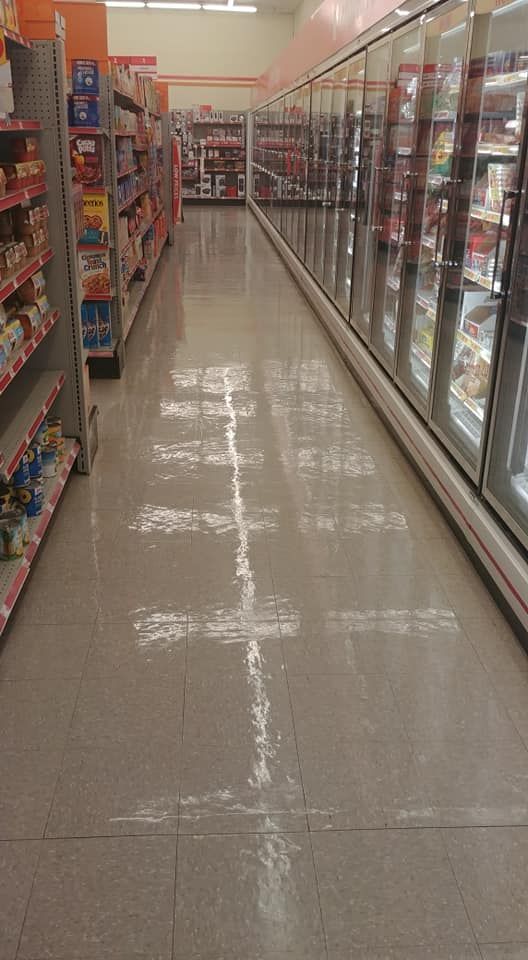
Clean and Shiny Floors
Dexter the Inspector Loves Shiny Floors!!!
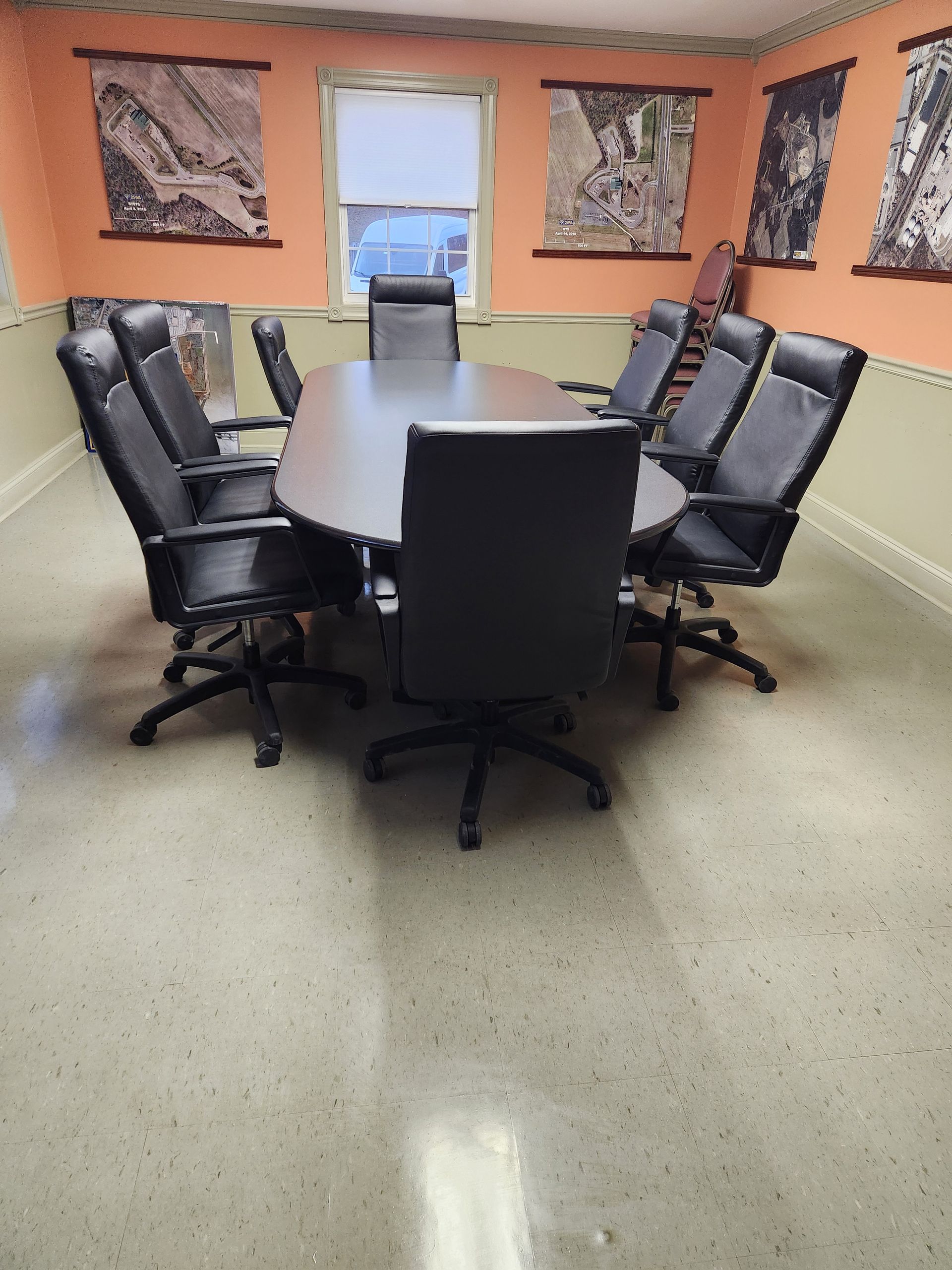
Commercial Cleaning Sussex County DE | A Smarter Clean
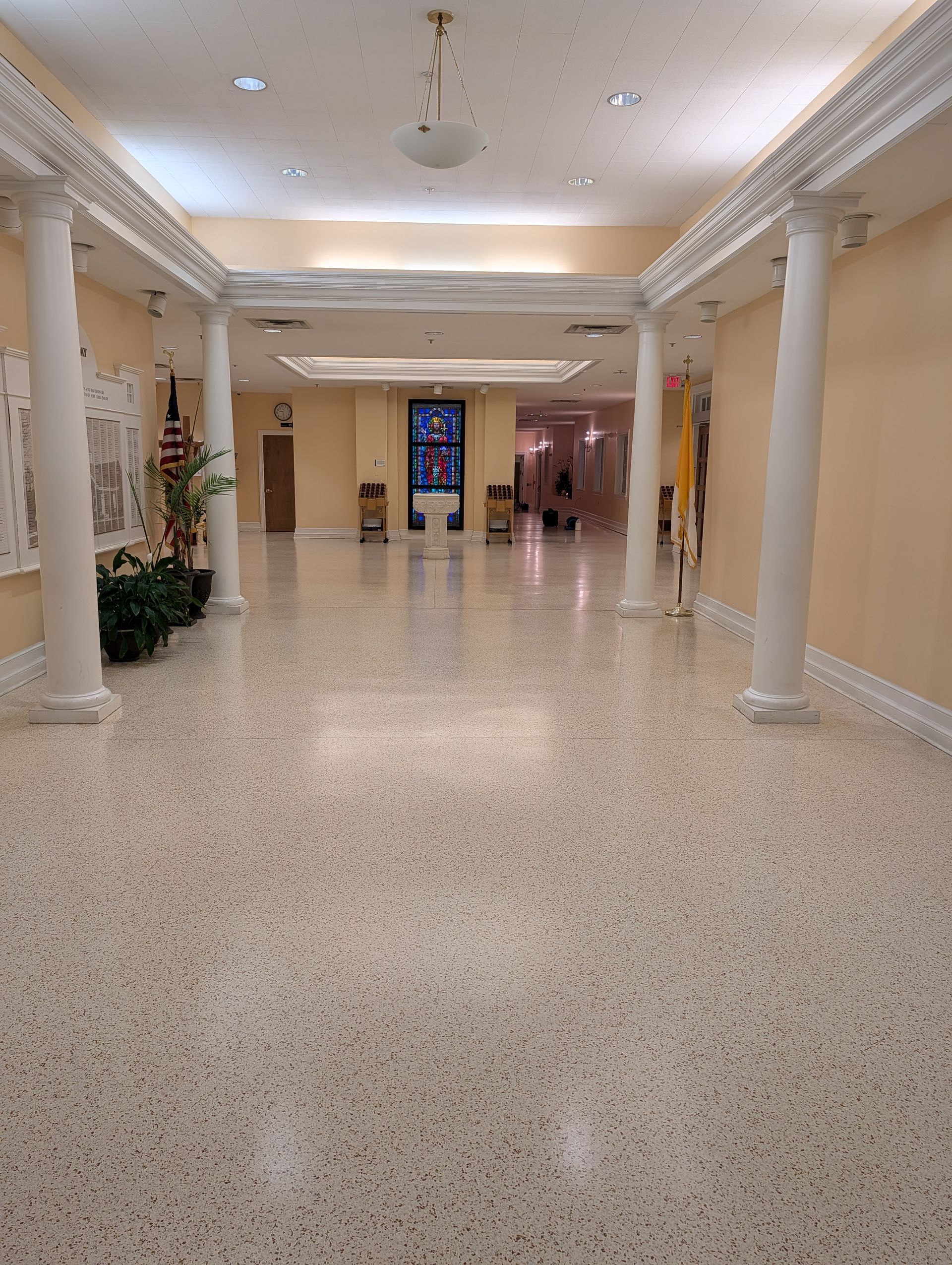
Commercial Terrazzo Floor Stripping and Waxing in Delaware
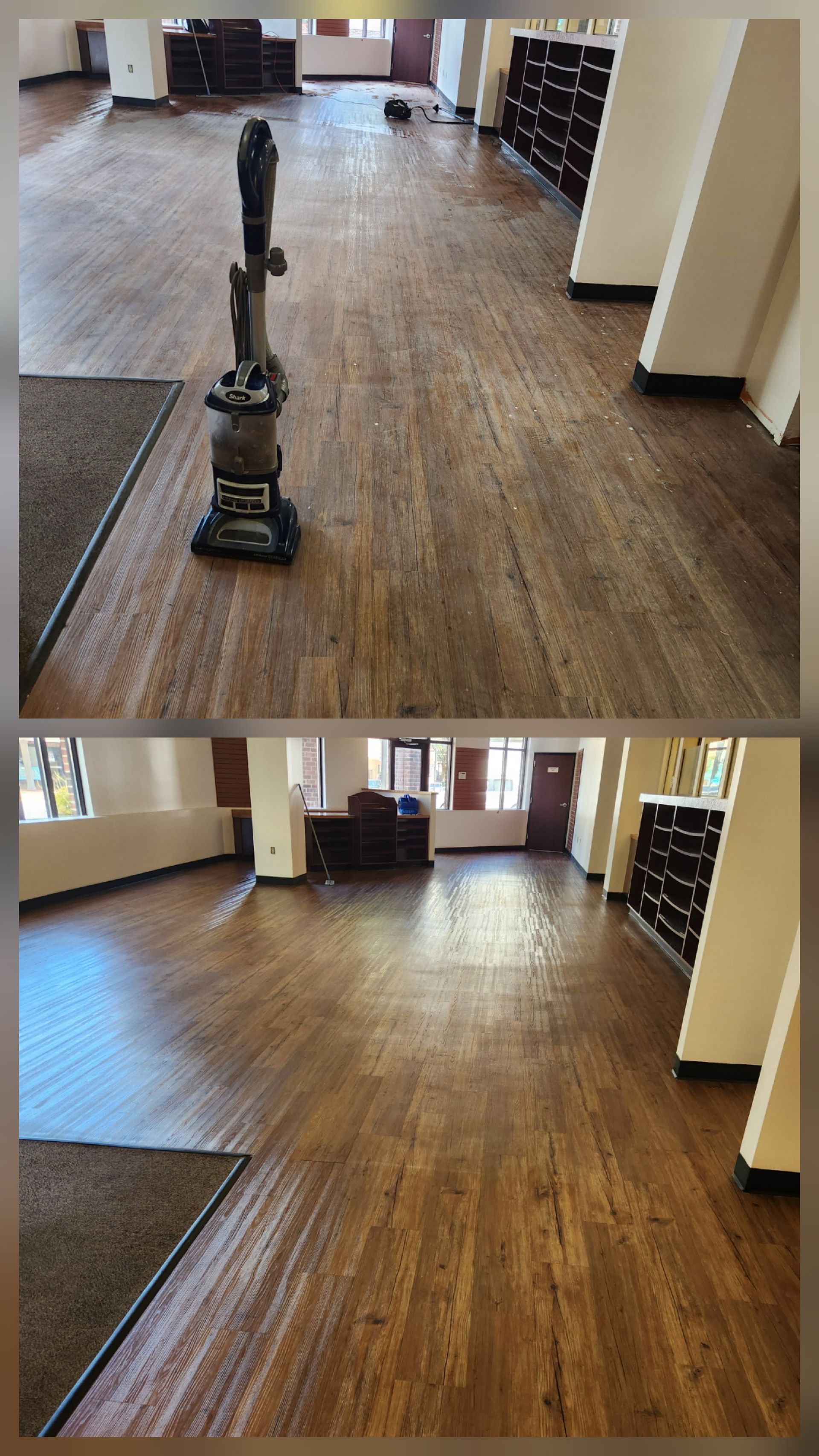
Find out why floors can still look dirty after cleaning and what to do about buildup, worn finish, residue, and improper maintenance methods.
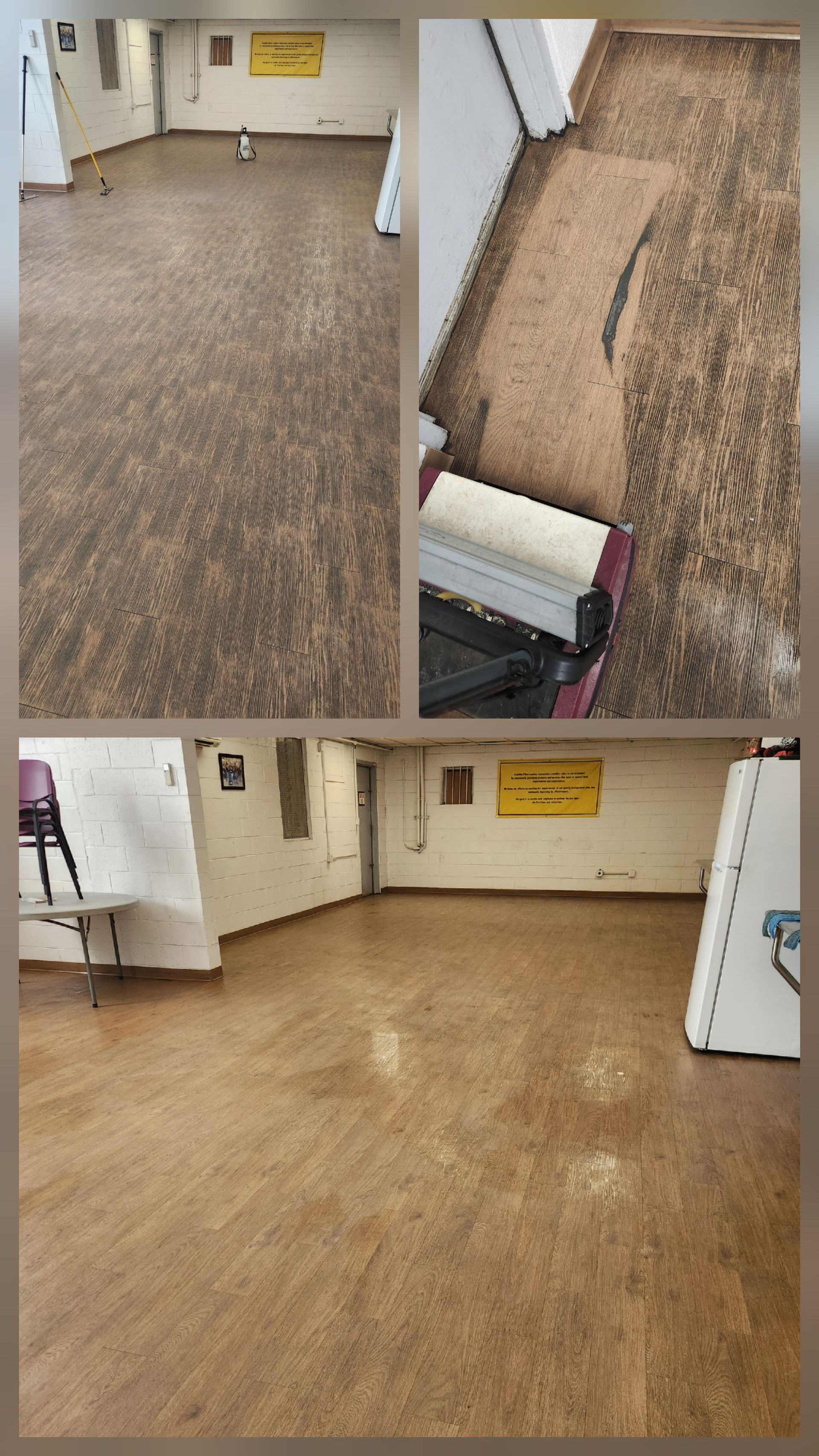
Learn how professional cleaning and maintenance help luxury vinyl tile floors stay clean, protected, and looking like new in Delaware facilities.
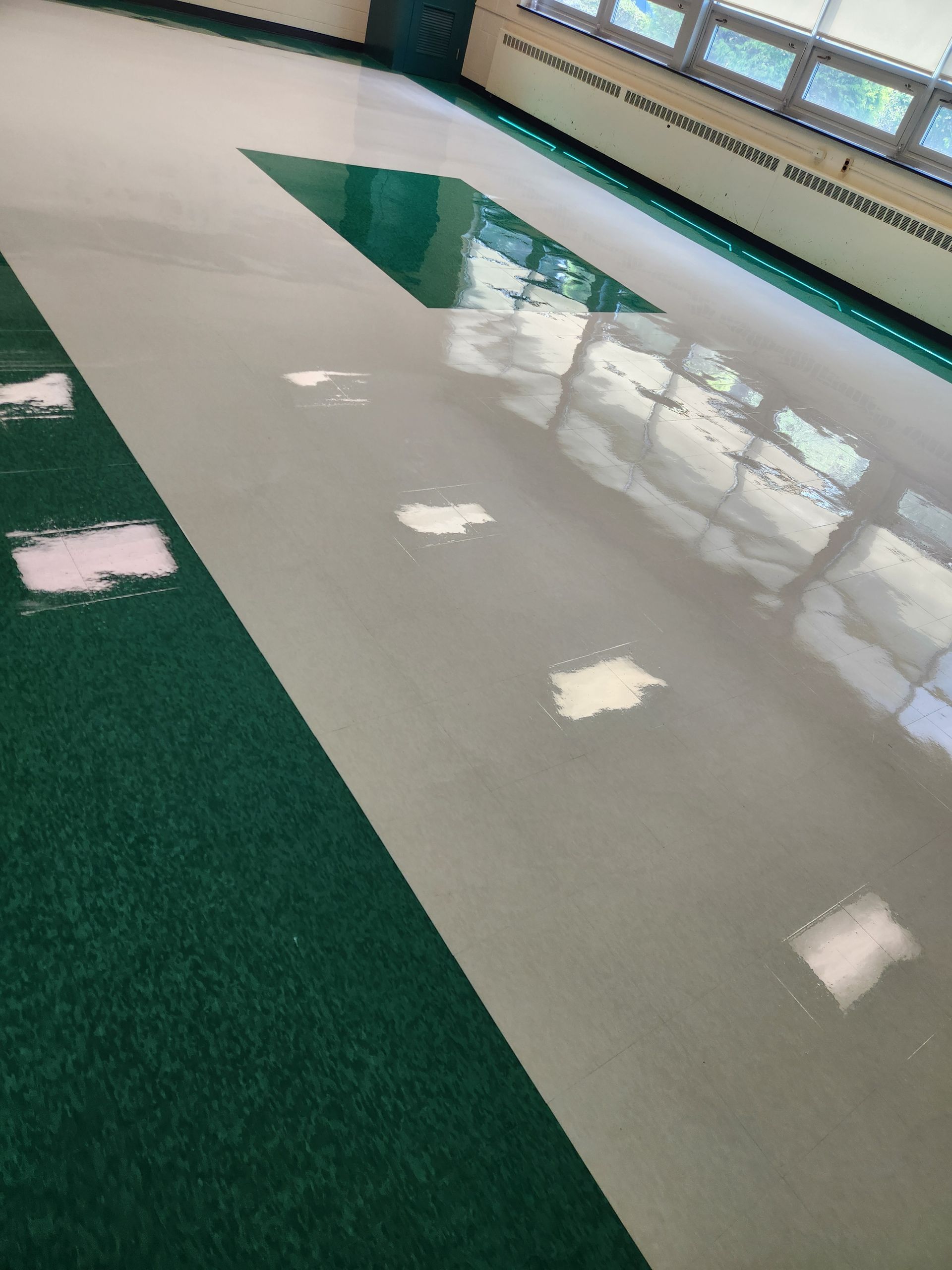
Discover how waxing VCT floors improves shine, protects against wear, lowers maintenance costs, and extends the life of your flooring.