
How to Maintain VCT and LVT Floors in Medical and Dental Offices
Last Updated: November 5, 2026
Quick Summary
PPE protocols are the written rules that decide which protective gear a worker wears, when they put it on, and how they take it off without contaminating themselves. For dental cleaning crews, those rules must cover gloves, masks, eye protection, and protective clothing for every task on the schedule.
- Utility gloves belong on any task involving waste, sharps containers, or heavy-duty cleaning chemicals.
- Suit up in order: gown first, then mask or respirator, eyewear, and gloves last over gown cuffs.
- Doff the dirtiest item first: gloves, gown, eyewear, then mask, and wash hands immediately.
- Inspect reusable PPE before each shift and retire any item that fails inspection twice.
- Store clean and soiled PPE separately, and never bag damp utility gloves.
Table of Contents
- Dental PPE Requirements Cleaning Crews Actually Follow
- Matching PPE to the Task: A Cleaning Crew Matrix
- When Should Utility Gloves Be Worn in a Dental Office?
- The Dental PPE Order: Suiting Up Before the First Task
- Donning and Doffing PPE in Dental Settings Without Cross-Contamination
- Floor Care and Surface Prep: Where PPE Protocols Meet Daily Cleaning
- Reusable PPE Care, Storage, and Replacement Criteria
- Request a Walkthrough and Floor-Care Estimate
- Frequently Asked Questions
Dental PPE Requirements Cleaning Crews Actually Follow
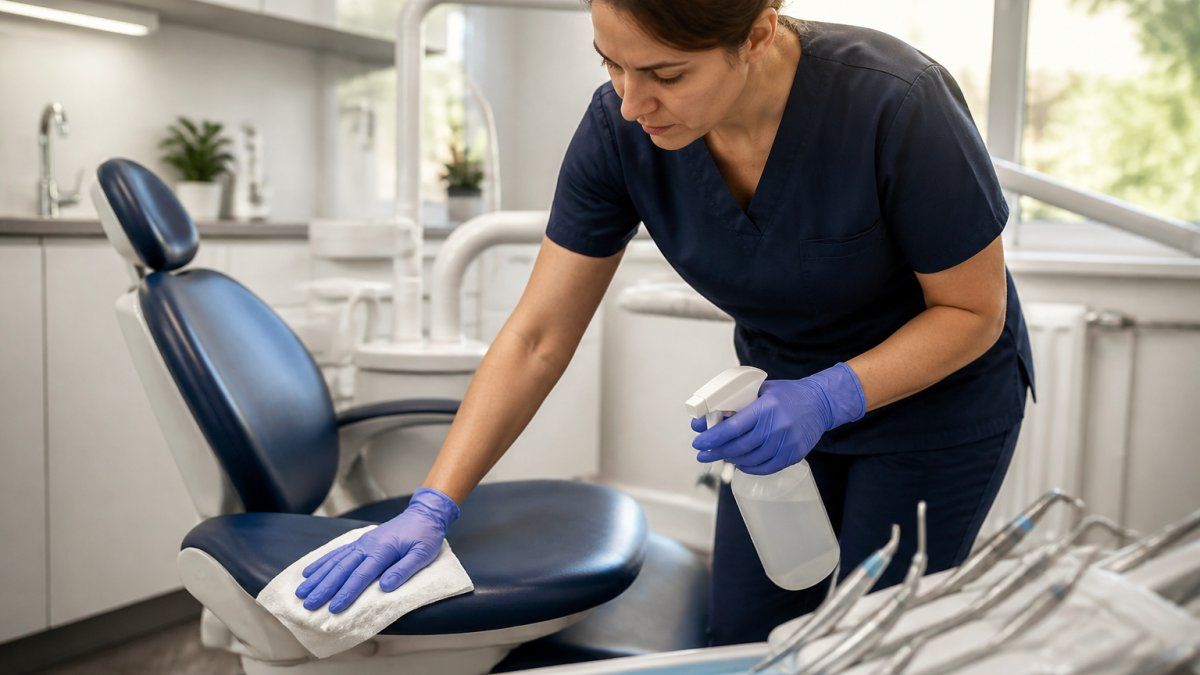
Proper PPE protocols for dental office cleaning crews start with one principle: protect the worker first, then the patient space. That order matters more than most training decks admit. A Smarter Clean builds every dental cleaning schedule around it, because a crew that suits up correctly is a crew that finishes the job safely.
The CDC dental infection control guidance is clear on the basics. Protective clothing comes off before a worker leaves patient care, instrument processing, or laboratory areas. That single rule shapes how a cleaning crew moves through a dental office all night.
Cleaning crews face a different exposure profile than clinical staff, since they walk the whole suite and handle waste.
PPE protocols are the written rules that decide which protective gear a worker wears, when they put it on, and how they take it off without contaminating themselves. For dental cleaning crews, those rules must cover gloves, masks, eye protection, and protective clothing for every task on the schedule. For the OSHA and infection-control framework behind dental cleaning, see our related article.
Below, we break down each task, the gear it needs, and the order that keeps cross-contamination out of the equation.
Matching PPE to the Task: A Cleaning Crew Matrix
Not every task in a dental office carries the same exposure risk. Treating them the same wastes gear and creates false confidence.
| Task |
Gloves |
Mask |
Eye Protection |
Protective Clothing |
|---|---|---|---|---|
| Emptying waste and handling sharps containers |
Utility gloves |
Surgical mask |
Goggles |
Gown |
| Cleaning and disinfecting treatment room surfaces |
Nitrile gloves |
Surgical mask |
Goggles with side shields |
Gown |
| Routine floor care in hallways and waiting areas |
Nitrile gloves |
Optional |
Optional |
Clinical attire |
| Instrument processing area cleanup |
Utility gloves |
N95 respirator |
Goggles |
Gown |
| Restroom and break room cleaning |
Utility gloves |
Optional |
Optional |
Clinical attire |
| Scrub-and-recoat or stripping VCT in patient-adjacent areas |
Chemical-resistant gloves |
Respirator per label |
Chemical splash goggles |
Gown or apron |
| Burnishing or routine maintenance on LVT/LVP |
Nitrile gloves |
Optional |
Optional |
Clinical attire |
Two rows deserve a closer look because they are where crews get it wrong most often.
The VCT stripping row is a chemical-exposure row, not an infectious-materials row. Strippers and finish removers carry label directions that specify glove type and eye protection, and those directions are the floor, not the ceiling. Read the label before the shift, not after a splash.
If you are unsure which tasks count as routine janitorial work versus clinical surface care, our guide on routine janitorial cleaning versus clinical disinfection in dental offices walks through the split.
When Should Utility Gloves Be Worn in a Dental Office?
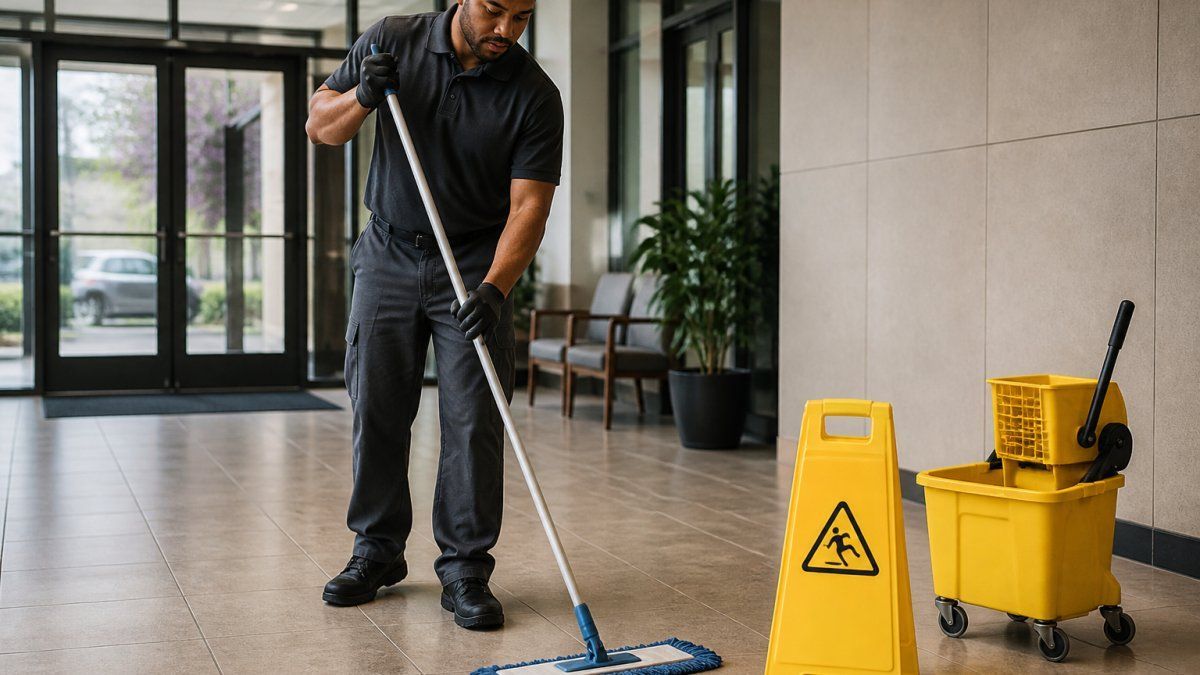
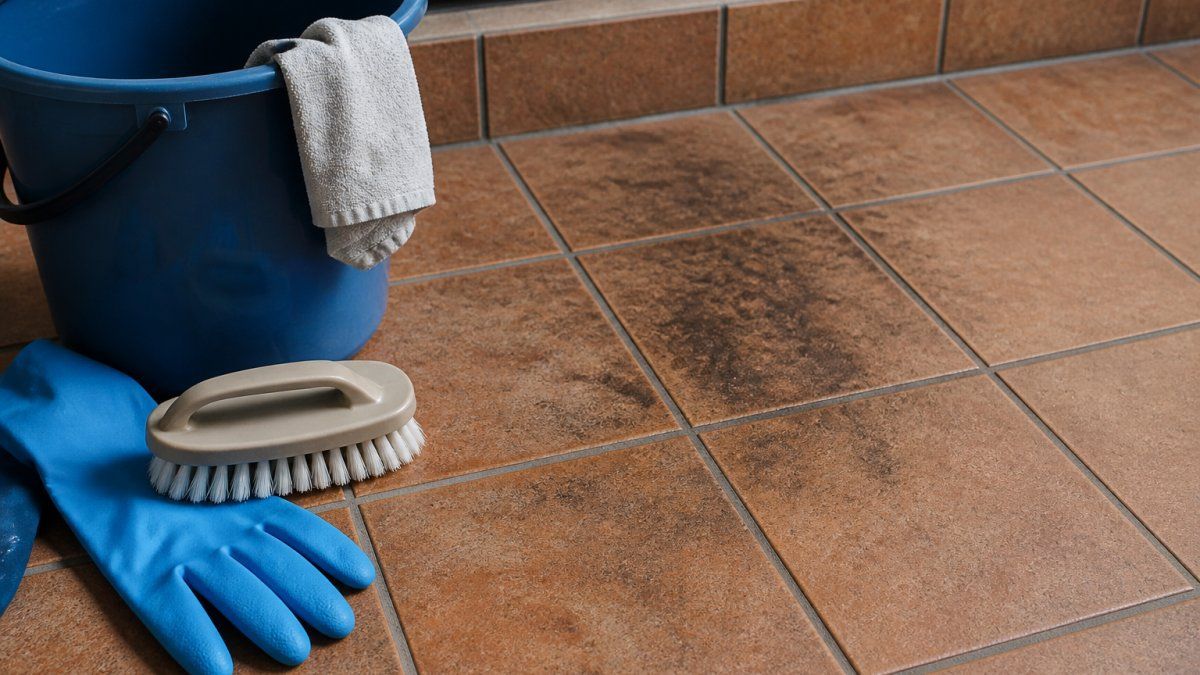
Utility gloves belong on any task that involves waste, sharps containers, or heavy-duty cleaning chemicals. They are thicker, reusable, and built for contact with debris and cleaning solutions. Nitrile exam gloves are for lighter surface work.
A common mistake is wearing exam gloves for waste handling. They tear. A torn glove during trash removal is exactly the exposure event your protocols exist to prevent.
Watch out: utility gloves must be inspected before each use. Cracked, peeling, or stiff gloves offer no barrier and should be thrown out, not taped or patched.
The California Dental Association's PPE guidance notes that staff handling in-office laundering should wear gloves and appropriate clinical attire. That same logic applies to anyone sorting reusable cleaning cloths.
- Utility gloves: waste, sharps, chemical mixing, restroom cleaning
- Nitrile exam gloves: surface wiping, spot cleaning, light floor care
- Replace utility gloves when they lose flexibility or show tears
- Never reuse disposable nitrile gloves between rooms
The Dental PPE Order: Suiting Up Before the First Task
The dental PPE order is the sequence a worker follows to put gear on before entering a work area. Get the order right and the rest of the protocol holds together.
- Wash hands with soap and water or use hand sanitizer
- Put on the gown or protective clothing first
- Add the surgical mask or N95 respirator, fitting it to the face
- Put on protective eyewear with side shields
- Pull on gloves last, over the gown cuffs
A second common mistake: adjusting eyewear with gloved hands mid-task. Step out, doff the gloves, adjust, and re-glove. It takes thirty seconds and prevents a face-level contamination event.
Donning and Doffing PPE in Dental Settings Without Cross-Contamination
Donning and doffing PPE in dental settings follows one rule above all others: remove the dirtiest item first. Removal order is the reverse of the suit-up sequence, and it is where most contamination happens.
- Remove gloves first, peeling them inside out
- Take off the gown, touching only the inside
- Remove eyewear by the temples, not the lenses
- Take off the mask last, handling only the straps
- Wash hands immediately
The National Dental Practice-Based Research Network study on PPE self-contamination examined how dental personnel contaminate themselves during donning and doffing. The takeaway for cleaning crews is simple: technique matters as much as the gear.
Floor Care and Surface Prep: Where PPE Protocols Meet Daily Cleaning
Floor care is where PPE protocols and real cleaning work collide.
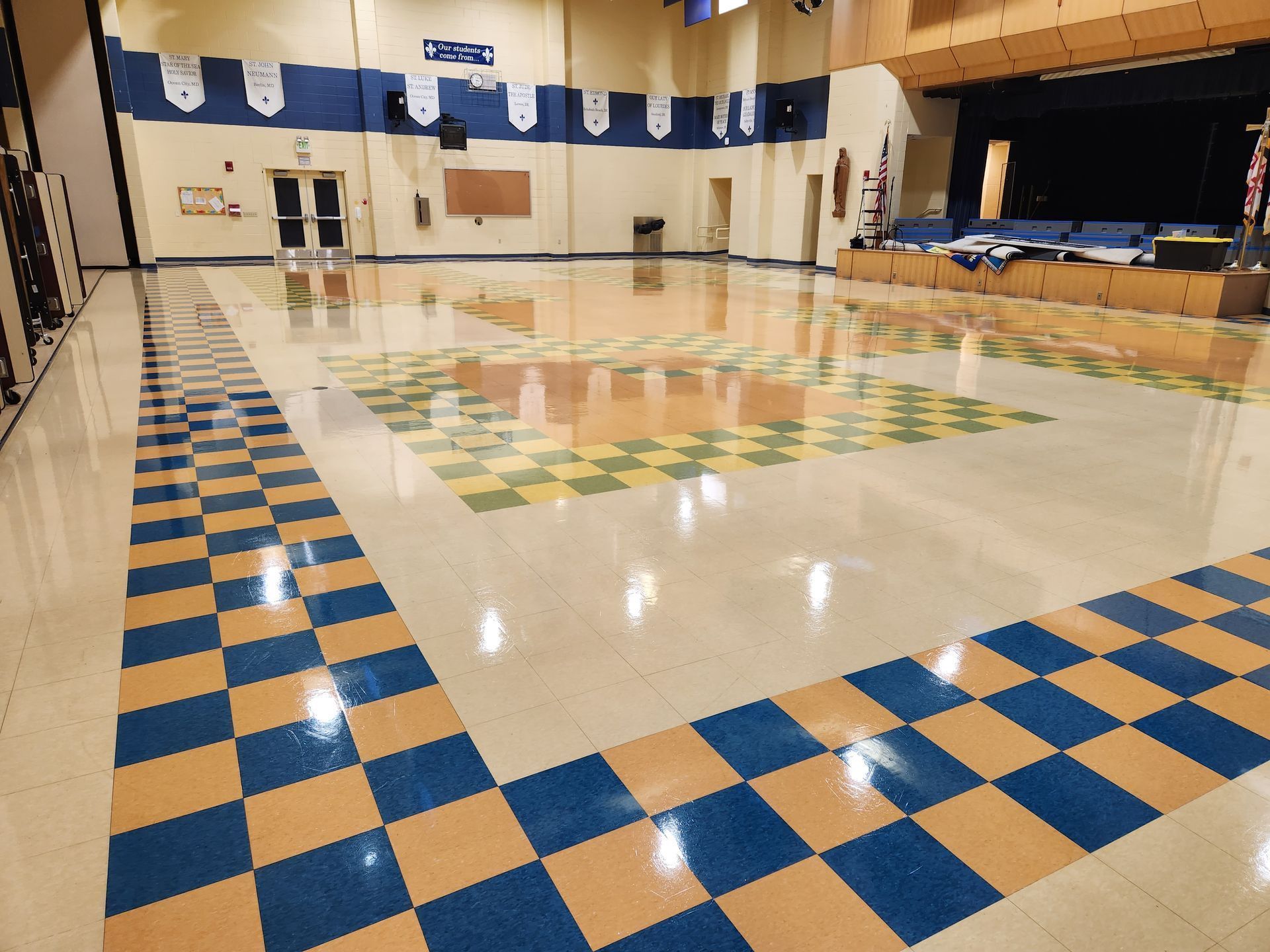
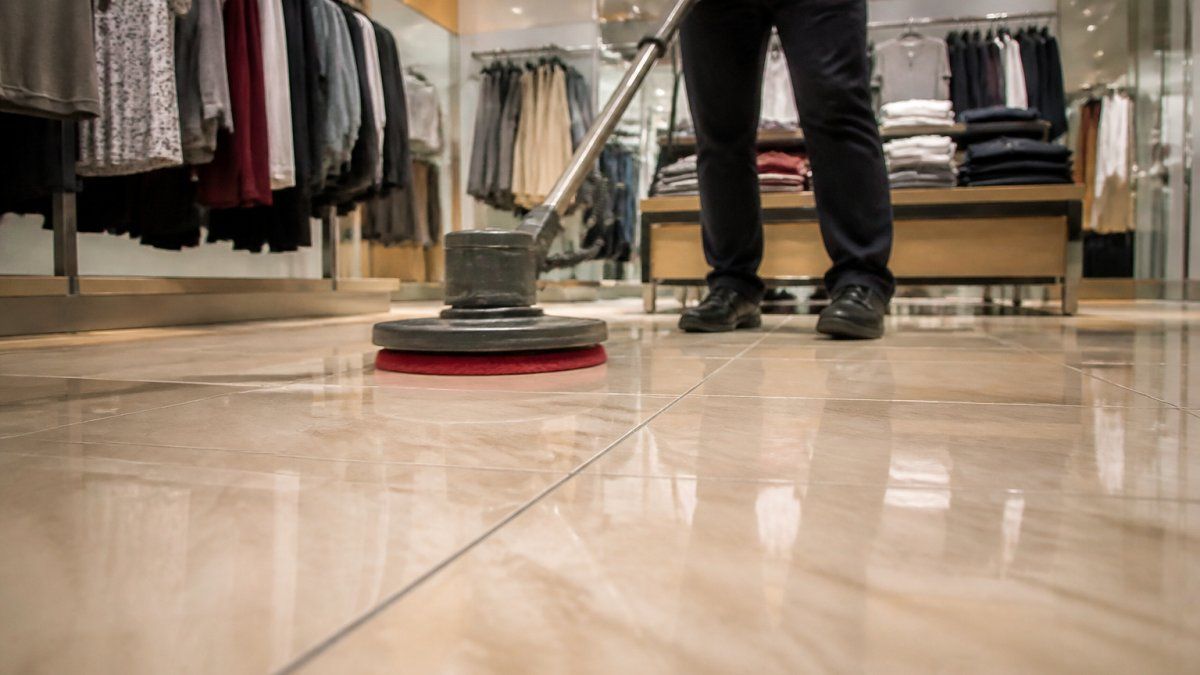
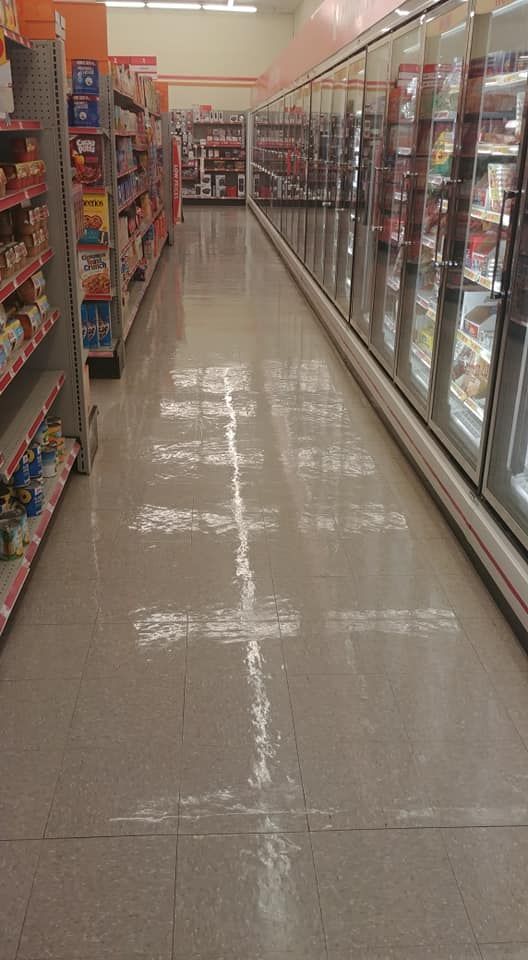
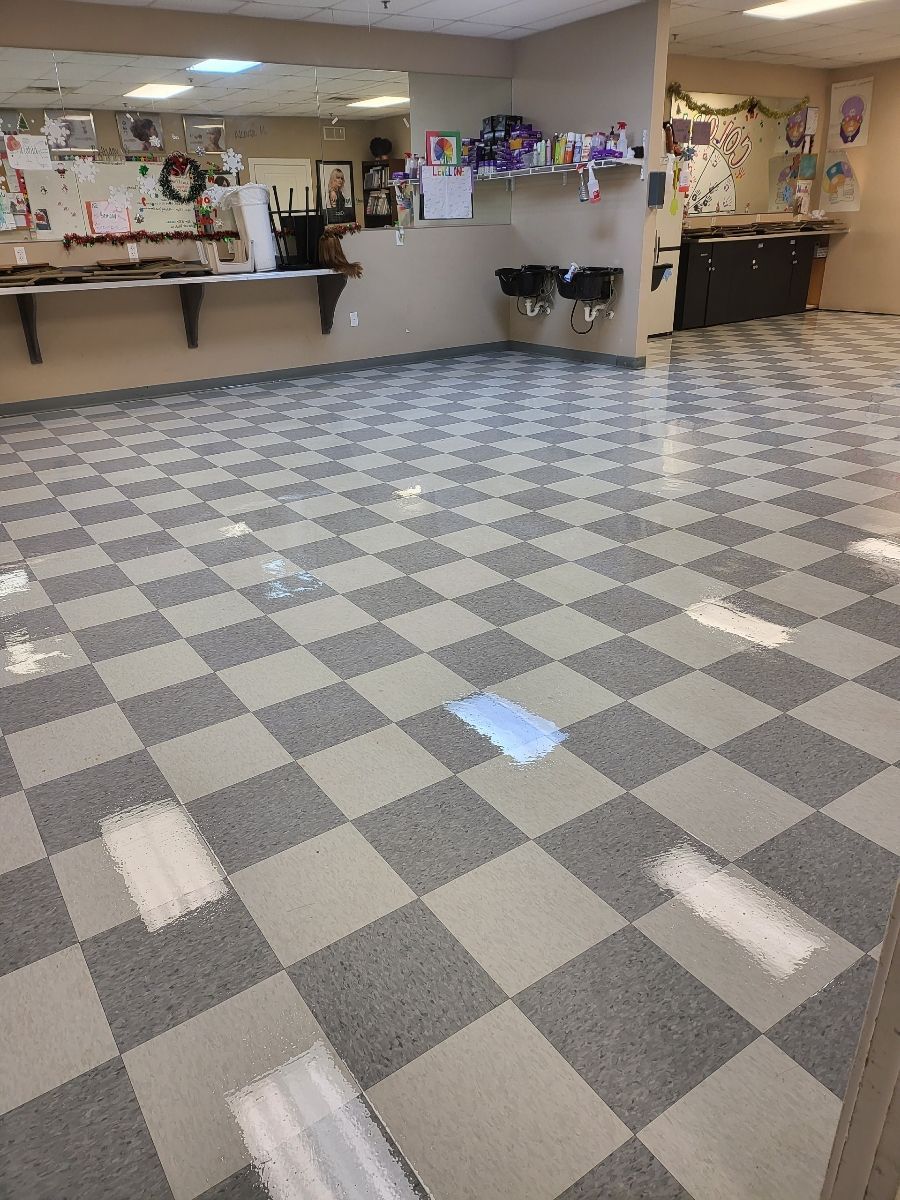
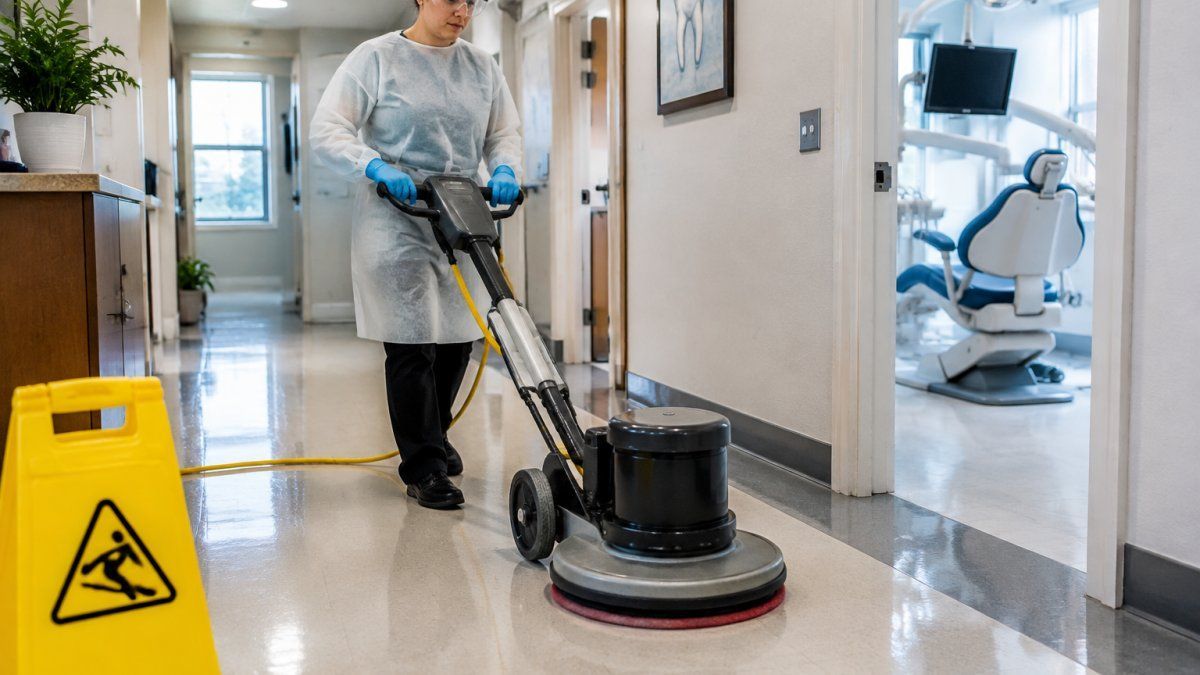
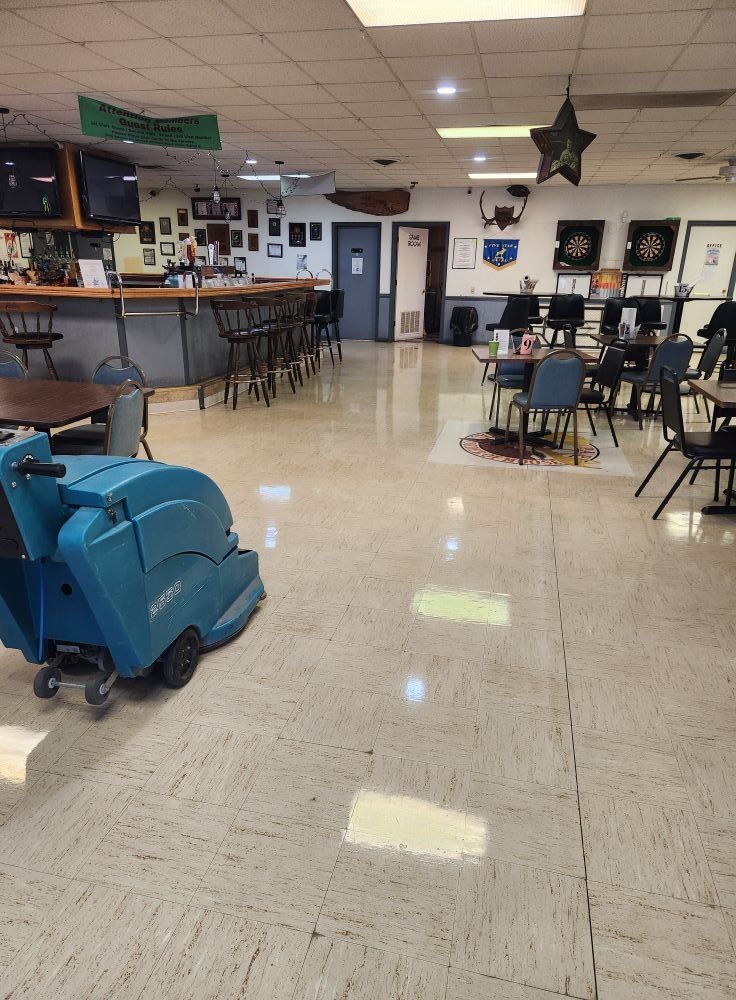
VCT and LVT/LVP floors need different care, and your PPE plan should reflect that. VCT takes stripping and waxing when the finish wears through. Many LVT/LVP floors should never be stripped and waxed like VCT, since the finish is part of the wear layer.
For practical floor-care routines that fit medical settings, see our floor care tips for medical offices.
Reusable PPE Care, Storage, and Replacement Criteria
Reusable PPE only works if it is cleaned, stored, and retired on schedule. Gowns, utility gloves, and eyewear all have a service life, and a worn-out item gives a false sense of protection. Most guides stop at "clean it after use." The operational question is what "clean" means for each item and what triggers retirement.
Start with inspection, because inspection is what separates a maintained item from a decorative one. A supervisor should build a quick pre-shift check into the routine: flex the utility gloves, hold the eyewear up to the light, and look at gown seams and coatings. Anything that fails the check comes out of service that shift, not at the end of the month.
- Gowns: launder after each shift per the manufacturer's instructions; retire when torn, when the coating breaks down, or when fluid no longer beads on the surface
- Utility gloves: wash with soap and water, dry inside and out, and store open-side down; replace at the first sign of cracking, peeling, stiffness, or a change in color
- Eyewear: clean with disinfectant wipes or soap and water per the manufacturer, dry with a soft cloth, and replace scratched or clouded lenses that blur vision or distort the view of a floor edge
- Respirators: store flat in a clean, breathable bag away from sunlight; replace when straps stretch, the nose clip fails, or the seal no longer holds
Storage is where reusable PPE programs quietly fall apart. Clean and soiled items must never share a bin, a hook, or a shelf. A shared tote where clean gowns and used utility gloves mix is a contamination source, not storage. Label clean storage clearly, keep it out of the path between the soiled utility room and the exit, and assign one person per shift to confirm it is stocked and separated.
Replacement criteria should be written down, not left to judgment. A simple rule works: if an item fails inspection twice, it is retired. That removes the argument about whether a glove is "still good" and gives the supervisor a defensible standard.
Respirator fit testing and a written respiratory-protection program are separate requirements under OSHA's respiratory protection standard. Crews assigned N95 respirators need a medical evaluation and fit test before first use, and the program should be documented, not assumed.
Watch out: reusable PPE that is cleaned but stored wet or in a closed bag can grow odor and degrade faster than gear that is simply worn out. Dry items fully before storage, and never bag damp utility gloves.
For the floor-care side of the program, our floor care tips for medical offices covers how VCT and LVT/LVP routines fit around a PPE schedule.
Request a Walkthrough and Floor-Care Estimate
A Smarter Clean provides professional commercial floor care and recurring janitorial service for dental and medical facilities across Delaware and Maryland's Eastern Shore. Our crews use OSHA-safe cleaning products, work flexible nightly, weekly, or monthly schedules, and use low-moisture cleaning processes.
You can review our workplace cleaning services to see what a program covers. Then request a walkthrough and floor-care estimate so we can map your VCT and LVT/LVP floors and build a schedule around your hours.
Frequently Asked Questions
What is the proper PPE for dental office cleaning crews?
It depends on the task, but a baseline kit includes utility gloves for cleaning and chemical handling, a surgical mask or N95 respirator when splashes or dust are possible, protective eyewear with side shields, and a gown or clinical attire for splash protection. Crews should also carry heavy-duty gloves for sharps handling and follow label directions on any EPA-registered disinfectant they use. PPE protocols should be written per task, not left to individual judgment, and reviewed during staff training.
When should utility gloves be worn in a dental office?
Utility gloves belong on hands whenever a crew member handles cleaning chemicals, scrubs surfaces, works around instrument processing or dental laboratory areas, or moves waste. They are thicker and more puncture-resistant than exam gloves, so they suit surface cleaning and equipment handling. Replace them when torn, cracked, or discolored, and never reuse disposable exam gloves for cleaning tasks. Keep a supply at each cart so crews are not tempted to skip them.
What is the correct dental PPE order for putting on and removing gear?
Put on PPE before entering the clinical area: gown first, then mask or respirator, then protective eyewear, then gloves last. Remove in reverse: gloves first, then eyewear, then gown, then mask, with hand hygiene between steps. The CDC advises removing protective clothing before leaving work areas such as patient care, instrument processing, and dental laboratory spaces. Post the sequence at each supply station so every crew member follows the same order.
How do cleaning crews choose PPE for different tasks?
Match PPE to exposure risk and the label directions on the products being used. Routine floor care in an empty operatory may need utility gloves and safety glasses, while scrubbing around instrument processing or handling sharps calls for a gown, face protection, and heavy-duty gloves. Check the disinfectant label for required gloves and eye protection, and keep a task matrix on the cart. Review the matrix with staff during training and update it when products change.
Getting PPE protocols right is a training and scheduling problem as much as a supply problem. If your current crew treats a dental suite like a generic office, the gaps show up in the details. Let A Smarter Clean walk your floors, document what each surface needs, and give you a floor-care plan built for a clinical environment. Request a walkthrough and estimate to get started.