



A red metal shed with a white door and window, set against a backdrop of green pine trees and a clear blue sky.

How Often Should Commercial Carpet Be Cleaned? A Traffic-Based Maintenance Guide

Editorial Team • November 13, 2026

Last Updated: November 13, 2026

Quick Summary

Build a carpet maintenance schedule by matching cleaning frequency to each zone's traffic level: light traffic needs vacuuming 1-2 times weekly, medium traffic 3 times weekly, and heavy traffic daily, with interim and restorative cleaning cycles scaled the same way. Review each zone monthly and adjust frequency as occupancy, season, and measured soil change.

  • Classify zones as light, medium, or heavy by walking the building at peak hours and counting feet.
  • Heavy traffic zones need same-day spot removal and interim cleaning every 1-3 months.
  • Vacuuming removes dry soil before it grinds into fibers and is the highest-value task on the list.
  • A three-part mat system uses outdoor mats to scrape grit and indoor mats to absorb moisture and fine soil.
  • Keep a per-zone log with date, task, who completed it, and a one-line condition note, reviewed monthly.

Is your carpet schedule matched to traffic? A Smarter Clean builds customized commercial carpet maintenance schedules for facilities in Delaware and Maryland's Eastern Shore.
Request a Walkthrough

Table of Contents

Why Traffic Level Decides Your Commercial Carpet Maintenance Schedule

A commercial carpet maintenance schedule by traffic works because soil does not land evenly. The Carpet and Rug Institute's CRI 204 Commercial Carpet Standard for Maintenance treats a maintenance program as a coordinated set of tasks, not one chore: mats, vacuuming, spot response, and scheduled cleaning. Traffic is what sets the pace of each.

At A Smarter Clean, we build schedules around where feet actually land. A quiet private office and a hospital corridor need very different routines.

Here is the core idea. Carpet maintenance schedule design is a matching exercise: match cleaning effort to soil load, and match soil load to traffic.

Get that match wrong and you either waste money on quiet zones or watch busy entrances wear down. Below, we break the schedule into seven steps you can apply to your building.

How to Classify Traffic in Your Facility

Start by walking your building at peak hours and counting feet, not guessing. Traffic classification is the practice of grouping each carpet zone by how many people cross it and how much soil they carry in.

Watch for these signals:

  • Entrances and vestibules: highest soil, highest foot count
  • Main hallways and corridors: steady flow all day
  • Waiting rooms and break areas: heavy seating turnover
  • Private offices: low, predictable use
  • Stairwells and elevator lobbies: concentrated bursts

Facility manager observing foot traffic on office carpet to inform a carpet maintenance schedule

Light, Medium, and Heavy Traffic Zones

Most buildings fall into three practical zones. Light traffic covers private offices and storage areas. Medium traffic covers general office floors and conference rooms. Heavy traffic covers entrances, main corridors, and waiting areas.

Some facilities add a severe category for spaces open to the public all day. Classify honestly. Most managers overestimate how light their lobbies really are.

Your Commercial Carpet Maintenance Checklist by Traffic Level

A commercial carpet maintenance checklist turns classification into daily, weekly, and periodic tasks. The table below is the practical heart of this article.

Cleaning High-Traffic Areas: Best Practices for Carpet Care

Black Diamond Cleaning Services

The Schedule Matrix: Every Task, Every Traffic Level

Task

Light Traffic

Medium Traffic

Heavy Traffic

Vacuuming

1-2 times weekly

3 times weekly

Daily

Spot removal

As needed

As needed

Same day

Interim cleaning

6-12 months

3-6 months

1-3 months

Restorative cleaning

12 months

9-12 months

6-9 months

Mat inspection

Monthly

Weekly

Daily

Treat these as starting points, not fixed rules. Published guidance varies widely, so your soil conditions and facility use should decide the final number.

Building a Commercial Carpet Vacuuming Schedule

Vacuuming is the highest-value task on the list, and it is the one most often shortchanged. A commercial carpet vacuuming schedule should set frequency by zone, then hold to it.

Set it up this way:

  1. Map each zone to its traffic class
  2. Assign a vacuum frequency per zone
  3. Confirm the equipment suits the carpet construction
  4. Log completion so gaps show up fast
  5. Review the log monthly

Vacuuming removes dry soil before it grinds into fibers. That is preventive maintenance in its purest form. If your crew is stretched thin, professional floor care from A Smarter Clean can carry the recurring vacuuming and carpet care load.

Entrance Matting and Spot Response: The Preventive Layer

Entrance matting and fast spot response stop most soil before it becomes a cleaning problem. Maintenance programs commonly include indoor and outdoor walk-off mats and a spot-removal protocol ( How to Extend the Life of Carpet in Your Facility).

The mat system needs three parts:

  • Outdoor mats to scrape off heavy grit
  • Indoor mats to absorb moisture and fine soil
  • Regular inspection and replacement when mats load up

Spot response matters just as much. A coffee spill handled within the hour is a minor event. The same spill left overnight becomes a permanent mark and a complaint. Build a simple reporting path so staff can flag spills the moment they happen.

High-Traffic Carpet Cleaning: Interim and Restorative Cycles

High-traffic carpet cleaning runs on two cycles: interim and restorative. Interim cleaning lifts surface soil between full cleanings ( How to Extend the Life of Carpet in Your Facility). Restorative cleaning resets the carpet's appearance more deeply. The useful question is not whether you need both, it is which method to run at each cycle, and how to tell when a zone has crossed from one to the other.

Interim Cleaning: Method Selection and Trade-Offs

Interim cleaning is the middle layer of the program. It targets the soil that vacuuming leaves behind, the oily, tracked-in film that dulls a corridor between restorative visits. Commercial cleaners commonly choose among several interim approaches:

  • Low-moisture encapsulation. An encapsulating solution is applied, agitated into the fiber, and left to crystallize so soil can be removed by vacuuming. It uses very little water, so occupied spaces can stay open with minimal disruption. It suits medium and heavy traffic zones that need frequent touch-ups without soaking the carpet.

Low-moisture encapsulation is a practical default interim method for entrances, main corridors, and waiting areas, because lower moisture means less disruption and faster return to service.

Restorative Cleaning: When a Zone Has Crossed the Line

Restorative cleaning follows the same logic at a slower pace. Heavily used corridors need it sooner than private offices. Rather than guessing from a calendar alone, watch for the signals that a zone has moved up a tier: When those signals appear repeatedly, the carpet itself may be part of the problem, making Floorcoveringsofmyrtlebeach a useful next consideration when choosing materials for high-traffic areas.

  • Visible soil returns within days of an interim pass
  • The carpet looks dull or matted in the traffic lane even after vacuuming
  • Spots and complaints cluster in the same zone
  • The zone's foot count has risen since the schedule was set

When two or more of those signals appear together, shorten the restorative cycle for that zone. If you want to see how professional cleaning restores worn high-traffic carpet, read our guide on how professional carpet cleaning helps restore high-traffic areas.

Treating every zone on the same interim calendar is a common scheduling error, because quiet offices can be over-serviced while busy entrances fall behind.

Low-Moisture Encapsulation Carpet Cleaning in the Schedule

Low-moisture encapsulation carpet cleaning is a method that applies an encapsulating solution, agitates it into the fiber, and lets it crystallize so soil can be removed by vacuuming. It uses very little water, which makes it a good fit for busy spaces that cannot close for long.

Where does it belong in the schedule? Encapsulation works well as the interim method for medium and heavy traffic zones. It handles frequent touch-ups without soaking the carpet.

A Smarter Clean offers professional low-moisture carpet cleaning, which suits occupied buildings and flexible schedules. If you are weighing the fit for your facility, our article on the benefits of low moisture carpet cleaning for facilities covers what to expect.

Adjusting the Schedule for Occupancy, Season, and Measured Soil

A schedule that never changes is a schedule that drifts out of step with your building. Adjust it using three inputs, occupancy, season, and measured soil, and then verify the adjustment with a simple tracking log. This is the step most published schedules skip, and it is where a generic chart becomes an operating plan.

A Decision Framework for Raising or Lowering Frequency

Use a short review at each zone rather than a building-wide reset. For each zone, ask three questions and move the frequency one step in the direction the answers point:

  1. Has occupancy changed? A new tenant, a busier front desk, or a shift in hours changes traffic overnight. Raise the vacuum and spot frequency for the affected zone first; interim and restorative cycles follow if the change holds for a full review period.
  2. Is it a heavy-soil season? Wet, muddy stretches push far more soil through entrances. During those weeks, increase mat inspection and spot response at entrances and vestibules, and consider an extra interim pass in the highest-traffic lane.
  3. What does measured soil say? Pull a test patch in each zone and compare it to the schedule. If a light-traffic zone looks soiled early, reclassify it rather than waiting for the next cycle. If a heavy zone stays clean through a cycle, you may be over-servicing it.

Move one step at a time. Jumping a zone from light to severe in a single review usually means the classification was wrong to begin with, not that the schedule needs a dramatic change.

Tracking the Schedule: A Simple Log and the Indicators That Matter

A schedule is only as good as the record that proves it ran. Keep a per-zone log with four columns: date, task completed, who completed it, and a one-line condition note. The condition note is what turns a log into a management tool.

Review the log monthly against four indicators:

  • Visible soil in the traffic lane between scheduled cleanings
  • Appearance change , dulling, matting, or lane darkening that persists after vacuuming
  • Complaint frequency , clustered complaints in one zone signal a classification error
  • Time to return to service after an interim or restorative pass, which tells you whether the method fits the zone's access constraints

If entrance zones look dull between cleanings, the interim cycle is too slow. If quiet offices get the same attention as busy corridors, you are overspending. The log makes both patterns visible before they become a budget problem.

For buildings with trained in-house staff, customizable cleaning schedules for trained staff show how a program can flex around your team. Want the full picture on daily upkeep? Our commercial carpet maintenance tips for facility managers go deeper on the routine tasks.

Frequently Asked Questions

How often should commercial carpet be professionally cleaned?

There is no single interval that fits every building. Maintenance guidance generally treats deep and interim cleaning as scheduled components of a program rather than a one-time task, and recommended frequency varies by traffic. Your own foot traffic, entrance locations, soil load, and facility use should set the final cadence, which is why a walkthrough beats a generic rule of thumb.

How do you set a carpet maintenance schedule by traffic level?

Start by mapping your facility into light, medium, and heavy traffic zones, then assign each task a frequency per zone. Vacuuming runs most often in entrances and hallways, spot response applies everywhere, and interim cleaning cycles tighten as traffic rises. A maintenance program is typically built around walk-off mats, a vacuuming schedule, a spot-removal protocol, and scheduled deep and interim cleaning.

What is low-moisture encapsulation carpet cleaning?

Low-moisture encapsulation uses a cleaning solution that crystallizes around soil particles as it dries, so the residue can be removed with routine vacuuming. It uses far less water than wet methods, which makes it a practical fit for interim cleaning in occupied commercial buildings where carpet needs to return to service quickly. In a traffic-based schedule it typically sits between routine vacuuming and less frequent restorative work, with frequency set by how quickly zones soil rather than by a fixed calendar.

How should carpet cleaning frequency change for schools and medical offices?

Both facility types generate more soil and more spills than a typical office, so entrances, corridors, and waiting areas usually need tighter vacuuming and interim cleaning cycles than private offices. Medical and dental suites also benefit from a written spot-removal protocol so staff know who to call and when. Rather than adopting a fixed interval, review the schedule against actual conditions each season and adjust zones that show dulling or tracked-in soil sooner than expected.

By Editorial Team • November 12, 2026
Choosing a commercial cleaning partner means checking floor-care depth, insurance, and references. Get a floor-care checklist and request a walkthrough.
By Editorial Team • November 11, 2026
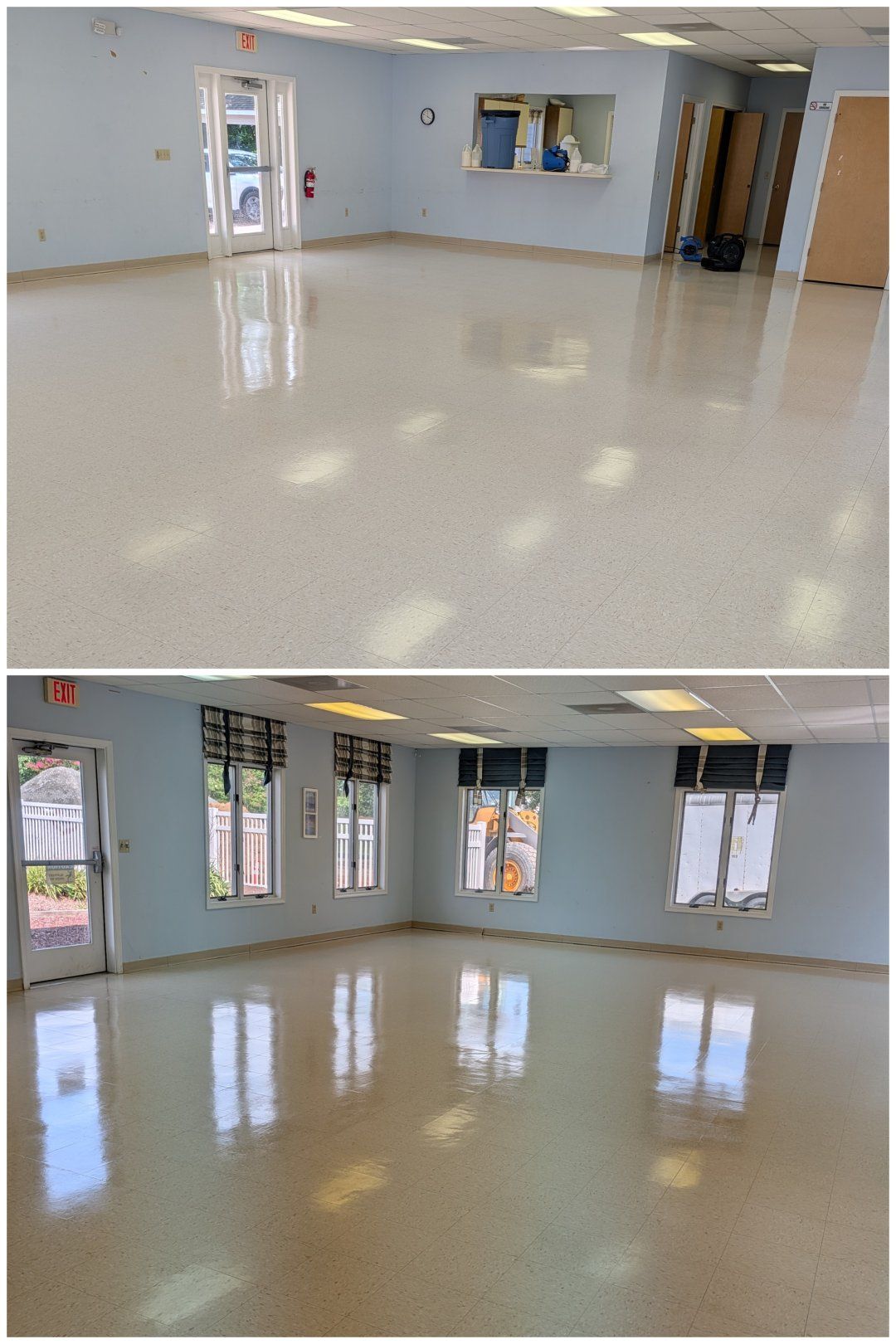
VCT stripping brings worn tile back to a clean, uniform finish. Compare scrub-and-recoat and burnishing, then request a floor-care walkthrough.
By Editorial Team • November 9, 2026
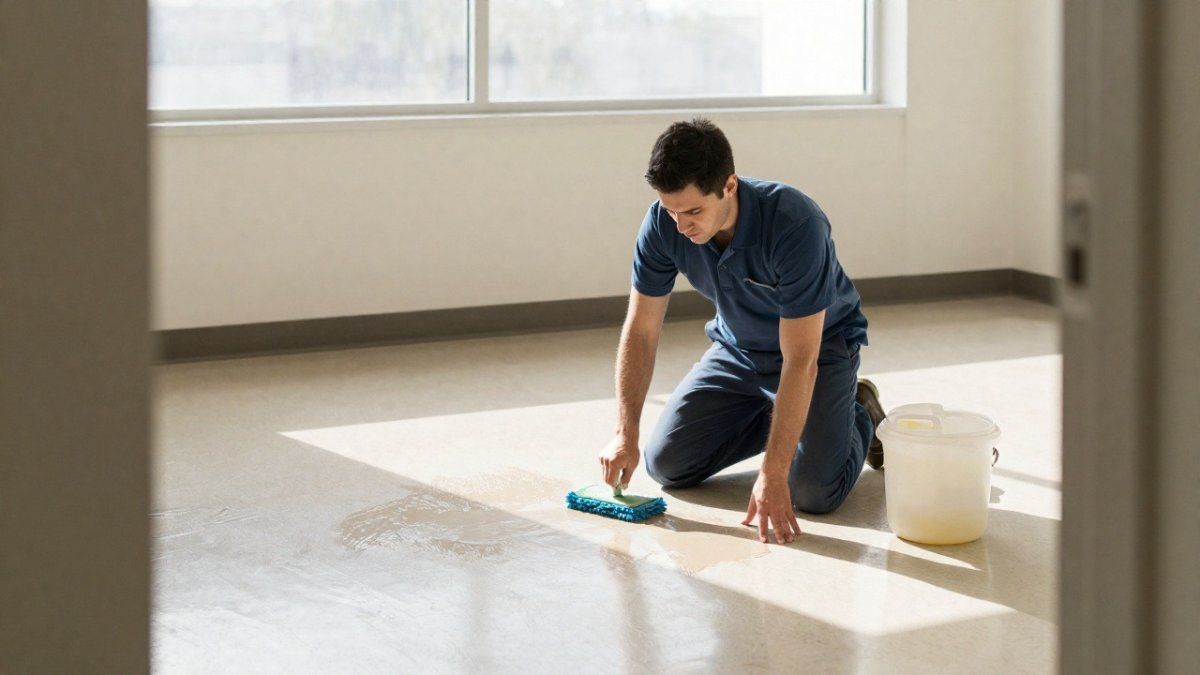
A wrong floor finish wastes time and money. See how VCT and LVT needs differ, plus maintenance schedules. Request a walkthrough for your facility.
By Editorial Team • November 8, 2026
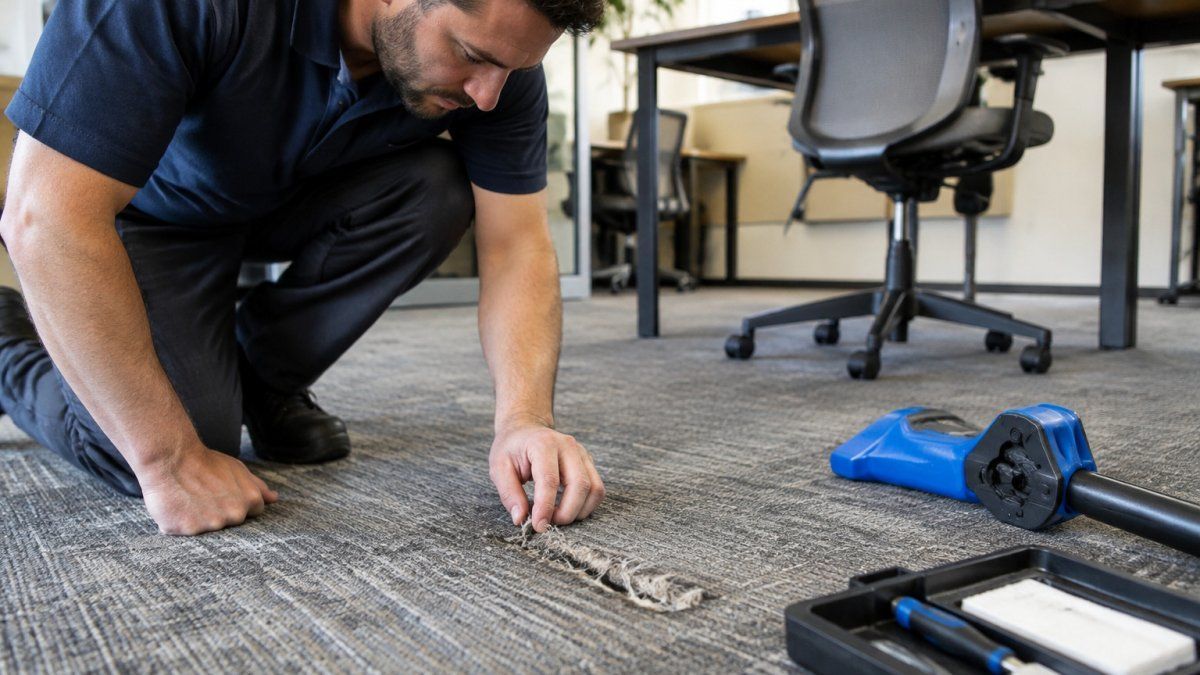
Commercial carpet damage like tears, seams and stains is often fixable. Learn how to spot each type, which repair works, and how to prevent it.
By Editorial Team • November 5, 2026
Proper PPE protocols for dental cleaning crews, task by task: glove choice, donning and doffing order, and floor-care steps that cut exposure risk.
By Editorial Team • November 4, 2026
Floor buffing restores shine and removes light scuffs, often without a full refinish. Choose buffing when the finish is healthy but dull or lightly marked.
By Editorial Team • November 2, 2026
Plan commercial carpet care for medical waiting rooms with a written schedule, entrance matting and low-moisture cleaning. Request a walkthrough.
By Editorial Team • October 30, 2026
See how janitorial quality is managed with clear scopes, inspection checklists, and floor-care schedules. Get the full framework for facility managers.
By Dawn Stewart • October 29, 2026
How to decide which floor-care tasks belong in-house and when it makes sense to bring in a professional
By Editorial Team • October 28, 2026
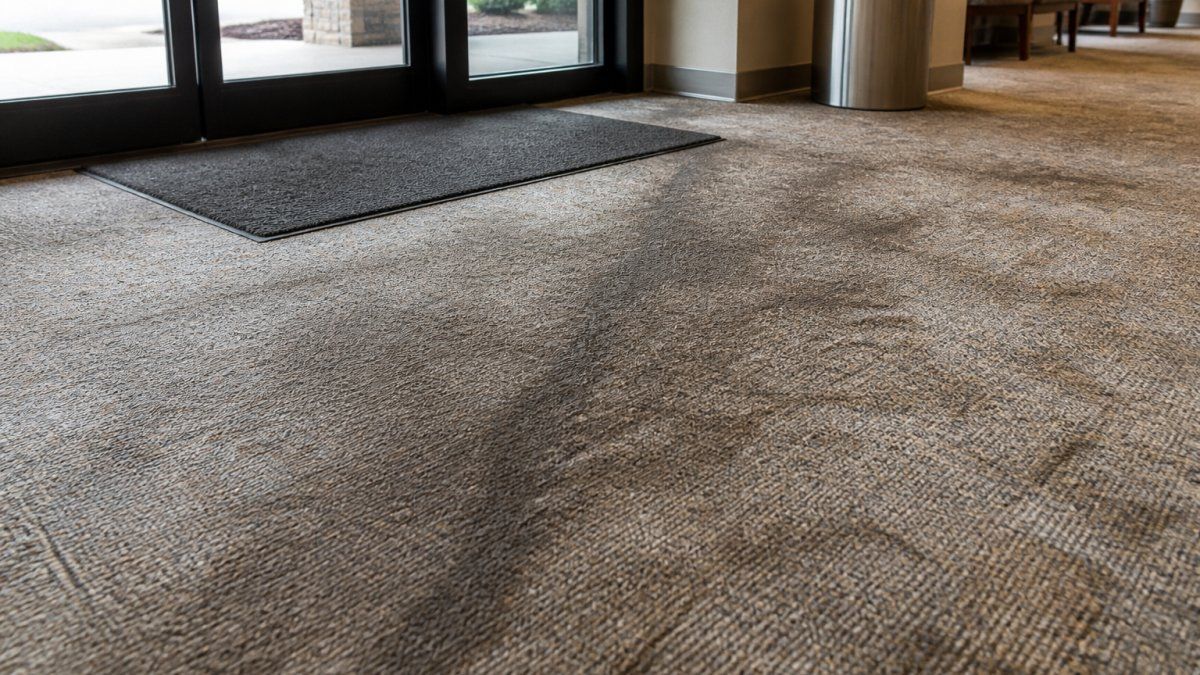
Heavy traffic carpet stains need more than spot cleaning. Learn why traffic lanes darken and how professional cleaning restores commercial carpet.
Show More