


Commercial Floor Cleaning Company: 2026 Buyer's Guide
Table of Contents
- What a Commercial Floor Cleaning Company Actually Does
- Floor Types and the Right Cleaning Method for Each
- Commercial Floor Stripping and Waxing Cost: What Drives the Price
- VCT Floor Maintenance Best Practices
- Building a Commercial Floor Care Maintenance Schedule
- Green Certification, Floor Safety Standards, and What to Verify
- How to Choose a Commercial Floor Cleaning Company
- Frequently Asked Questions
Last Updated: September 13, 2026
What a Commercial Floor Cleaning Company Actually Does
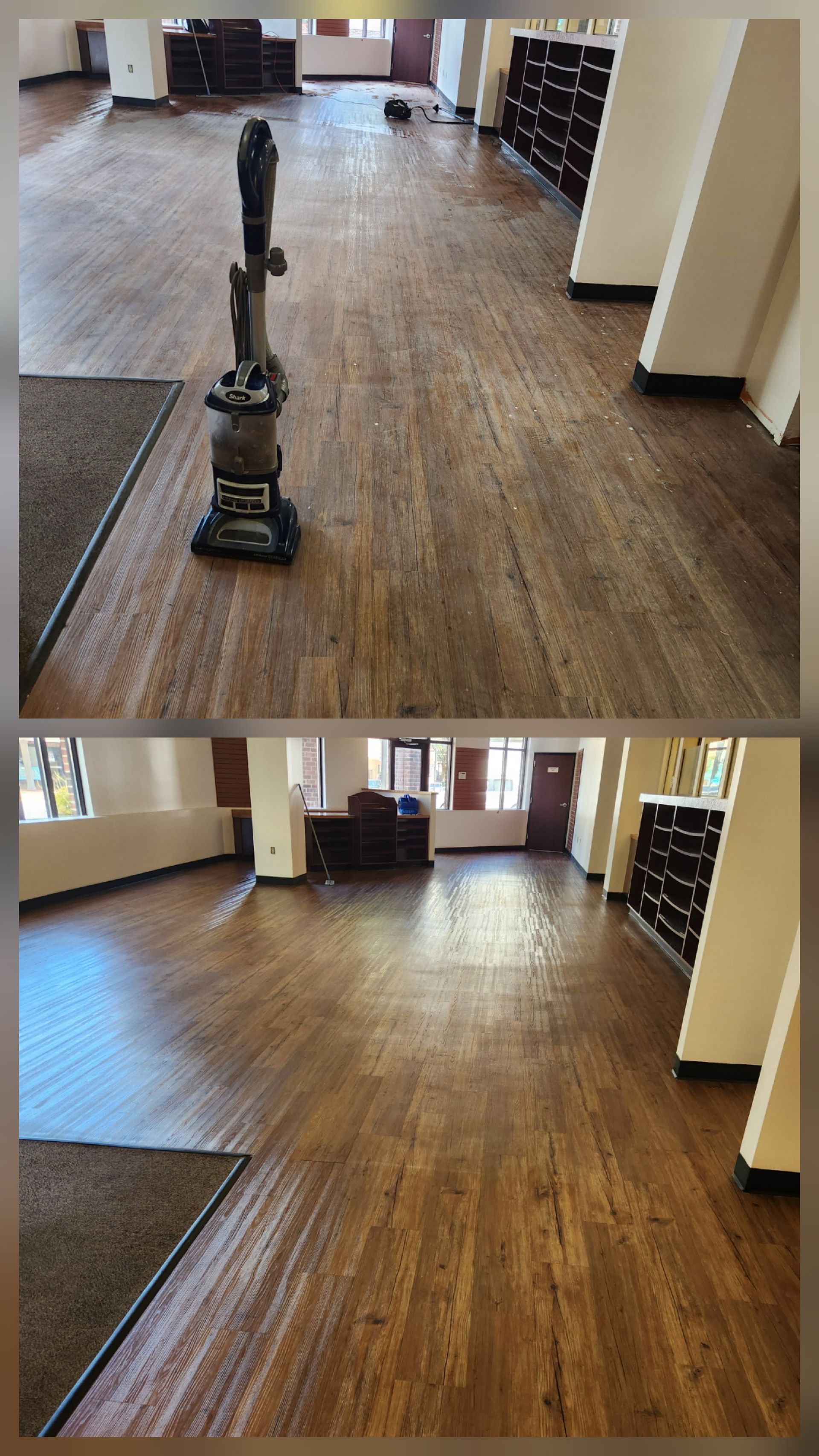
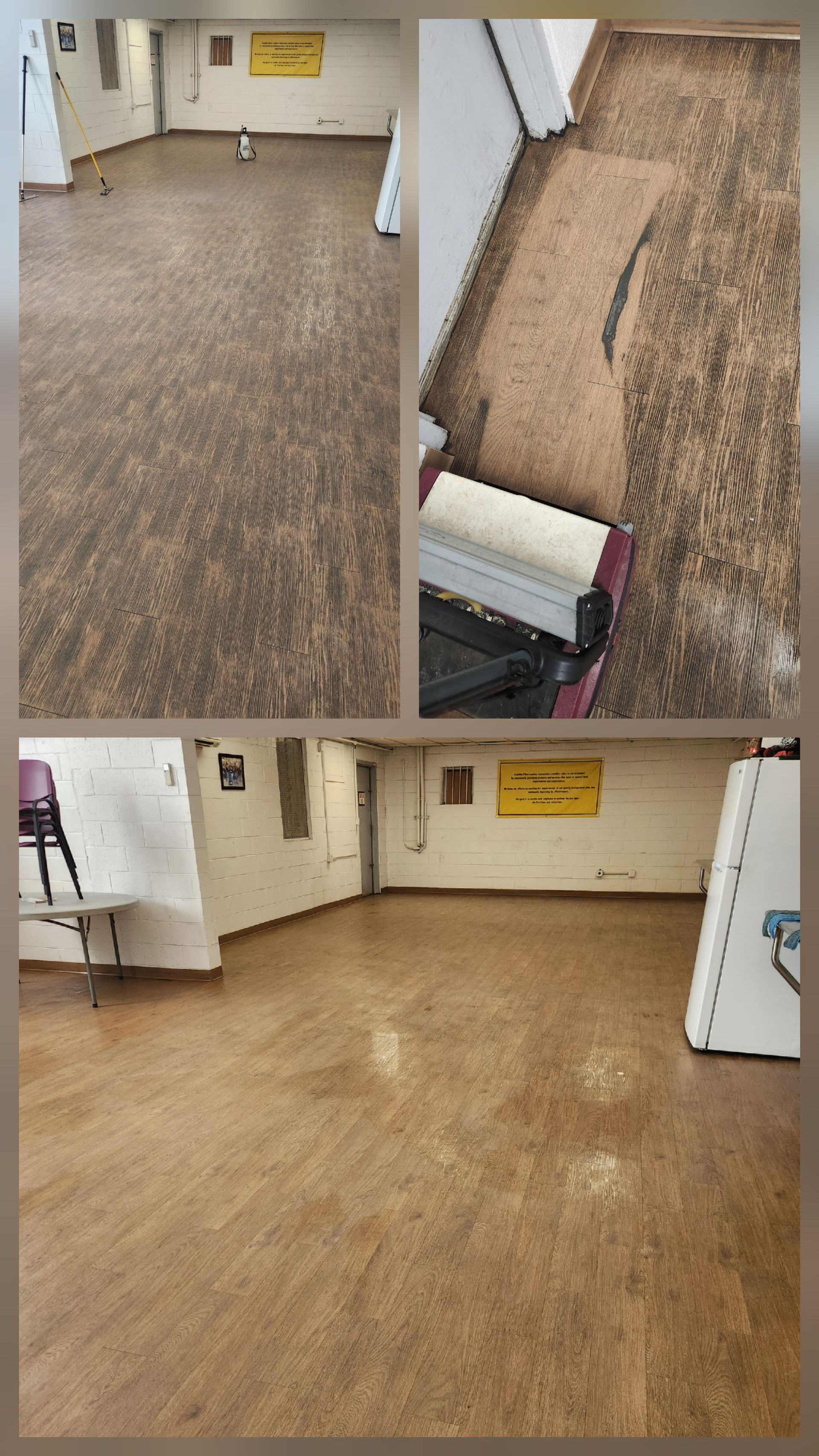
A commercial floor cleaning company handles the specialized work that routine janitorial crews often can't: stripping, waxing, extracting, sealing, and restoring the surfaces your building walks on every day. At A Smarter Clean, we separate that work from general cleaning because the two require different equipment, chemicals, and training. Understanding the difference is the first step toward a floor care program that actually protects your investment.
Most facility managers learn this the hard way. A nightly crew mops the lobby, vacuums the carpet, and calls it done. Six months later the VCT looks gray, the grout is black, and the carpet has traffic lanes that won't come out. Nothing was wrong with the janitorial service. It just wasn't floor care.
Janitorial Services vs. Specialized Floor Care
Janitorial services cover the recurring basics: trash removal, restroom sanitization, vacuuming, dusting, and spot mopping. Specialized floor care is a distinct discipline focused on surface restoration and protection, including stripping, waxing, burnishing, extraction, and sealing.
The distinction matters because the equipment differs. A standard mop bucket can't strip four coats of finish. A wet/dry vacuum can't extract embedded soil from commercial carpet. According to OSHA's guidance on walking-working surfaces, slips, trips, and falls remain among the most common workplace incidents, which is one reason floor hygiene and slip-resistant coating matter beyond appearance.
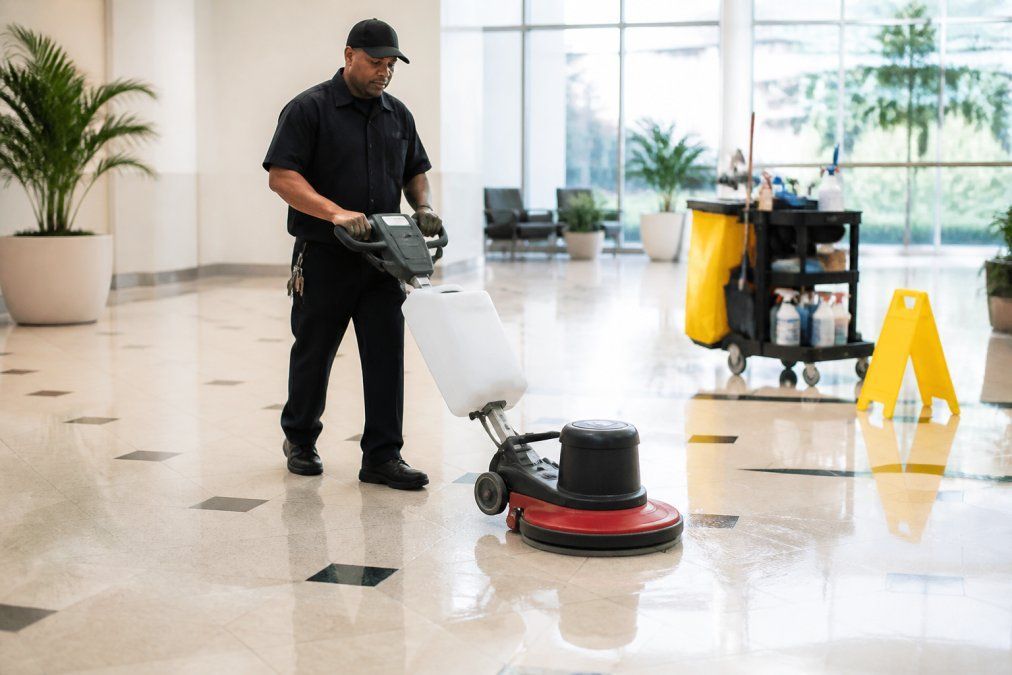
Floor Types and the Right Cleaning Method for Each
Matching the method to the surface is the single biggest factor in floor longevity. The wrong chemical or pad can dull a finish in one pass or permanently etch a hard surface. Here's how the major categories break down.
Hard Surface Cleaning: VCT, LVT, Concrete, and Terrazzo
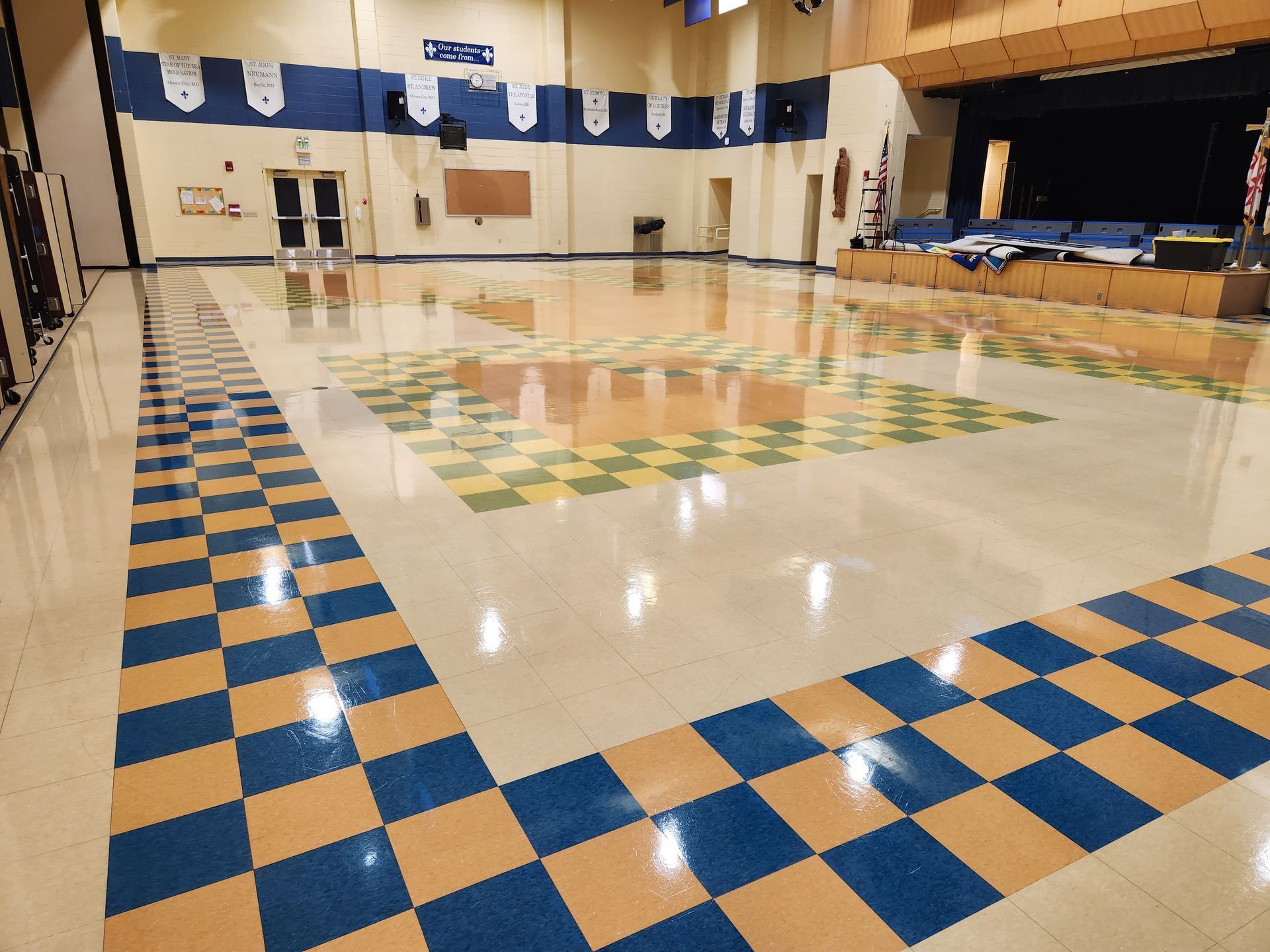
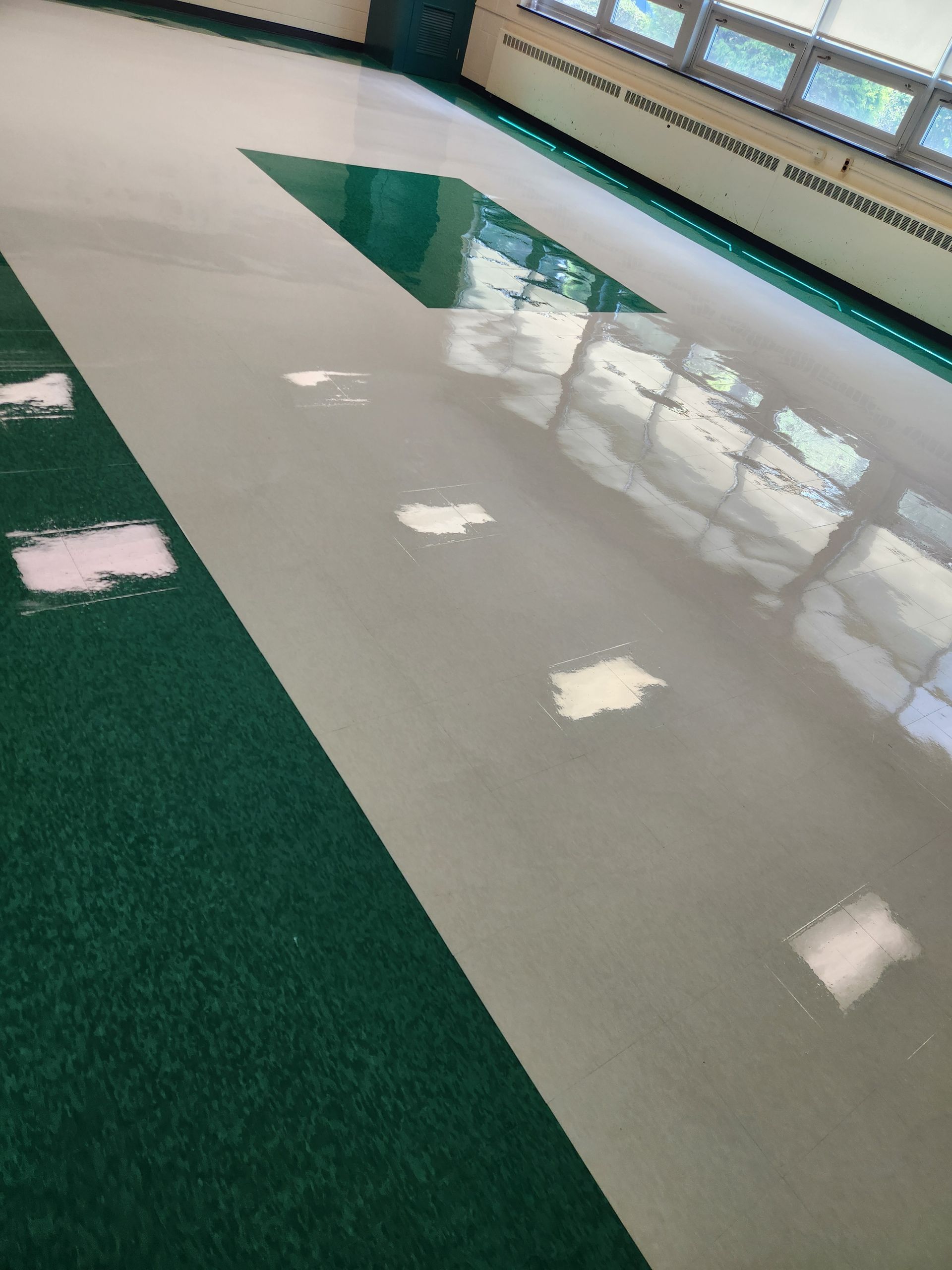
Vinyl composition tile (VCT) is porous and needs a finish applied on top to protect it, which is why floor stripping and waxing is a recurring requirement. Luxury vinyl tile and plank (LVT/LVP) carries a factory wear layer and should never be stripped with aggressive chemicals. Concrete benefits from cleaning and sealing to resist staining. Terrazzo requires diamond polishing to maintain its gloss rather than a topical finish.
- VCT: strip, seal, apply 3-5 finish coats, burnish
- LVT/LVP: neutral pH cleaner, no stripping, no abrasive pads
- Concrete: scrub, densify, apply penetrating sealer
- Terrazzo: diamond grind and polish, no wax
Carpet Extraction and Low-Moisture Systems
Carpet needs periodic deep cleaning, but traditional truck-mount extraction can leave a commercial facility out of service for hours. Low-moisture agitation and steam systems clean the fiber with far less water, so carpet is walkable in a fraction of the time. That matters for medical offices and schools that can't close a wing for a full day.
Commercial Floor Stripping and Waxing Cost: What Drives the Price
Commercial floor stripping and waxing cost is driven by square footage, finish buildup, accessibility, and frequency, not by a flat rate. A 5,000-square-foot open lobby prices differently than 5,000 square feet of exam rooms, corridors, and closets. The bigger problem is that most providers won't tell you how they price at all, which makes comparing bids nearly impossible. Here's the structure behind the number.
The Three Pricing Models You'll See
- Per square foot. The most common model for strip-and-wax and for carpet extraction. The provider measures usable floor area, then quotes a rate that reflects finish buildup and accessibility. This model scales cleanly and is the easiest to audit against a floor plan.
- Hourly. Common for scrub-and-recoat, burnishing, and touch-up work where the scope is small or the surface is irregular. Hourly pricing shifts the risk of a slow job onto you, so ask for an estimated hour range in writing before work begins.
- Flat project rate. Common for one-time restorations, full strip, seal, and multi-coat finish on a defined area. Flat rates are convenient but only fair when the scope is documented surface by surface.
What Actually Moves the Number
| Cost Driver | Why It Moves the Price | What to Ask |
|---|---|---|
| Square footage | Direct labor and chemical volume | Is the quote per sq ft or flat? |
| Finish buildup | More coats means more stripping passes | How many coats are on the floor now? |
| Accessibility | Furniture, equipment, and tight spaces slow crews | Is furniture moving included? |
| Frequency | Annual vs. quarterly changes labor planning | What's the recommended cycle? |
| Surface type | VCT vs. LVT vs. concrete differ in method | Which method will you use? |
| Downtime window | Overnight and weekend work carries labor premiums | Can any of this run during business hours? |
| Finish coats specified | Each additional coat is added labor and material | How many coats are included, and at what millage? |
Two drivers deserve a closer look because they cause the widest bid spreads. Finish buildup is the single biggest variable: a floor carrying four or five coats takes multiple stripping passes and more chemical than a floor carrying two, and a provider quoting blind will either pad the number or underbid and cut corners. Downtime window matters just as much, a crew working a 10 p.m. to 6 a.m. window on a floor that must be walkable by opening carries a different labor cost than the same square footage cleaned over a weekend.
How to Compare Bids Without Getting Burned
A low bid is not automatically a good bid. The most common pattern is a quote that looks competitive because it quietly excludes furniture moving, specifies fewer finish coats, or assumes a floor condition that doesn't match reality. When you collect quotes, normalize them first:
- Ask every provider to quote the same number of finish coats on the same square footage.
- Confirm in writing whether furniture and equipment moving is included or billed separately.
- Ask what happens if the crew finds more finish buildup than expected , is there a change-order process, and at what rate?
- Request the recommended recoat interval in writing so you can budget the next job, not just this one.
Because pricing depends on your specific facility, the honest answer is that no responsible provider quotes blind. Request a walkthrough. A Smarter Clean provides a floor cleaning estimate after assessing square footage, finish condition, and schedule, so you're comparing real numbers rather than guesses, and you can see exactly which drivers are moving your price.
VCT Floor Maintenance Best Practices
VCT floor maintenance best practices come down to a simple rhythm: daily dust mopping, regular damp mopping with a neutral cleaner, periodic burnishing, and scheduled re-coating before the finish wears through. The mistake most facilities make is waiting until the floor looks bad, then paying for a full strip and wax instead of a cheaper scrub-and-recoat.
A practical cycle looks like this:
- Daily: dust mop and spot clean
- Weekly: damp mop with neutral pH cleaner
- Monthly to quarterly: burnish to restore gloss
- Every 6-12 months: scrub and recoat
- Every 12-24 months: full strip and wax
The key is the recoat step. Stripping removes everything down to bare tile, which is expensive and disruptive. Recoating adds a fresh layer on top of a clean, intact finish and takes a fraction of the time. Track your finish condition and recoat before you see bare tile.
Building a Commercial Floor Care Maintenance Schedule
A commercial floor care maintenance schedule assigns every surface a method, a frequency, and an owner. Without it, floor care becomes reactive: something looks bad, someone calls a vendor, and you pay emergency rates. With it, work is planned, budgeted, and predictable.
Start by inventorying every floor type in the building, then map each to a cleaning method and a realistic cycle. Document who performs each task and what equipment or chemicals are required. Review the schedule quarterly and adjust based on actual wear.
Schedules by Industry: Medical, Education, and Office
Different facilities carry different soil loads and different downtime constraints.
- Medical and dental offices: High-traffic corridors and exam rooms need frequent damp mopping with disinfectant-compatible cleaners; carpet in waiting areas should use low-moisture extraction to minimize downtime. Floor hygiene is a patient-safety concern, not just a cosmetic one.
- Schools: Gym floors, cafeterias, and hallways take heavy abuse. Schedule deep cleaning during breaks and rely on daily dust mopping and spot treatment during the term.
- Offices: Lobby VCT or LVT gets the most traffic. Monthly burnishing and quarterly recoating keep the first impression sharp without disrupting tenants.
Green Certification, Floor Safety Standards, and What to Verify
Green certification and floor safety standards are the two areas where buyers most often take a vendor's word for it. Both are verifiable, and you should verify them.
On the environmental side, look for products carrying recognized third-party certifications. The EPA's Safer Choice program identifies cleaning products that meet the agency's criteria for human health and environmental safety. On the safety side, the CDC's guidance on cleaning and disinfecting facilities outlines practices that reduce exposure risk for both occupants and cleaning staff.
What to verify before signing:
- Product safety data sheets (SDS) on file for every chemical used
- Staff background checks and consistent assignment
- Written scope of work naming each surface and method
- Insurance and licensing documentation
- A named contact for emergency response
How to Choose a Commercial Floor Cleaning Company
Choosing a commercial floor cleaning company comes down to four things: proven floor care capability, reliable staffing, transparent pricing, and responsive communication. Most complaints about cleaning vendors trace back to one of these, and most of them are avoidable with the right questions up front.
The most common frustration we hear is inconsistency: a crew that shows up for two weeks and then disappears, or does a half-job when they do arrive. That's usually a staffing model problem, not a training problem. Providers that assign the same background-checked staff to your facility and communicate proactively tend to hold up over time.
Here's what separates a provider worth switching to:
- Specialized capability. They do more than vacuum and mop. They strip, wax, extract, seal, and restore.
- Transparent pricing. They walk the facility and quote based on real conditions, not a phone estimate.
- Flexible scheduling. Nightly, weekly, or monthly programs that fit your operations, including low-moisture carpet cleaning that won't shut down a wing.
- Fast response. A named contact who answers when a spill happens during business hours.
- Proof of compliance. Documentation for products, insurance, and staff screening.
A Smarter Clean built its floor care program around those five points, serving medical offices, schools, and commercial facilities with specialized floor restoration. If your current provider can't answer the questions above, that's your answer.
Most facilities don't have a cleaning problem. They have a floor care problem that a general janitorial crew was never equipped to solve. If your VCT is dull, your carpet has traffic lanes, or your grout has gone dark, the fix isn't more mopping. It's a provider that specializes in floor maintenance and can prove it. A Smarter Clean offers flexible nightly, weekly, and monthly programs, low-moisture carpet cleaning, VCT stripping and waxing, and concrete sealing, all backed by responsive communication and consistent, background-checked staff. Request a commercial cleaning quote and get a floor care plan built around your facility's actual surfaces and schedule.
Frequently Asked Questions
How much does it cost to professionally clean commercial floors?
Pricing depends on square footage, floor type, condition, and service frequency. Stripping and waxing VCT costs more than routine buffing because it involves chemical removal, disposal, and multiple finish coats. Carpet extraction and hard surface cleaning are usually priced per square foot or as part of a recurring janitorial contract. A commercial floor cleaning company should walk the facility and provide a written estimate before you commit. Request a free floor cleaning estimate to get numbers specific to your building.
How often should commercial floors be professionally stripped and waxed?
Most VCT floors need stripping and waxing every 6 to 12 months, depending on foot traffic and whether the finish is maintained with buffing or burnishing between cycles. High-traffic entries, cafeterias, and hallways may need it twice a year, while back offices can stretch to 12 to 18 months. A commercial floor care maintenance schedule should include routine floor buffing and periodic deep cleaning so the finish lasts longer and stripping is needed less often.
What is the difference between janitorial services and specialized floor care?
Janitorial services cover day-to-day tasks like trash removal, restroom sanitization, vacuuming, and mopping. Specialized floor care goes further: floor stripping and waxing, grout scrubbing, terrazzo polishing, carpet extraction, concrete floor sealing, and floor restoration. Many commercial floor cleaning companies offer both, but the equipment and training differ. If your floors are dull, stained, or showing wear patterns, ask specifically about floor care capabilities rather than assuming your janitorial provider handles them.
How do I verify the credentials of a commercial floor cleaning company?
Ask for proof of liability insurance, workers' compensation coverage, and background checks on staff. Request Safety Data Sheets for every chemical they use and confirm the products meet OSHA-safe handling requirements for your facility. Check that technicians are trained on the specific equipment they operate, such as low-moisture carpet systems and high-productivity floor scrubbers. A dependable commercial floor cleaning company will provide these documents without hesitation and put service commitments in writing.