Commercial epoxy floors are built to handle regular foot traffic and, depending on the system, equipment and vehicle use. But epoxy is not damage-proof. Dirt and grit can wear the surface over time, while spills, tire marks, harsh cleaners, and aggressive scrubbing can affect its appearance.
A consistent maintenance routine helps keep both flake and solid-color epoxy floors looking clean and makes wear easier to spot. The exact care depends on the coating system, its texture, the facility’s use, and the manufacturer’s recommendations.
What Commercial Epoxy Floors Can, and Can’t, Handle
Epoxy flooring is used in places such as warehouses, restaurants, retail spaces, and garages because it creates a durable surface over concrete. Some systems are designed for specific levels of traffic, chemical exposure, or slip resistance. That does not mean every epoxy floor can withstand every chemical, impact, or cleaning method.
Before selecting a cleaner or machine setting, check the coating manufacturer’s care instructions. Chemical resistance varies by system and exposure. A product may tolerate one chemical briefly but be damaged by another chemical or a longer exposure. The
Epoxy.com care and maintenance guide also advises testing unfamiliar cleaners and rinsing chemical solutions thoroughly.
Epoxy is not the same as VCT flooring. Don’t assume it needs stripping and waxing. If the coating becomes dull or worn, a compatible repair or recoat may be an option, but it requires suitable surface preparation and confirmation that the new coating will work with the existing system.
Flake and Solid-Color Epoxy: Different Surfaces, Similar Care
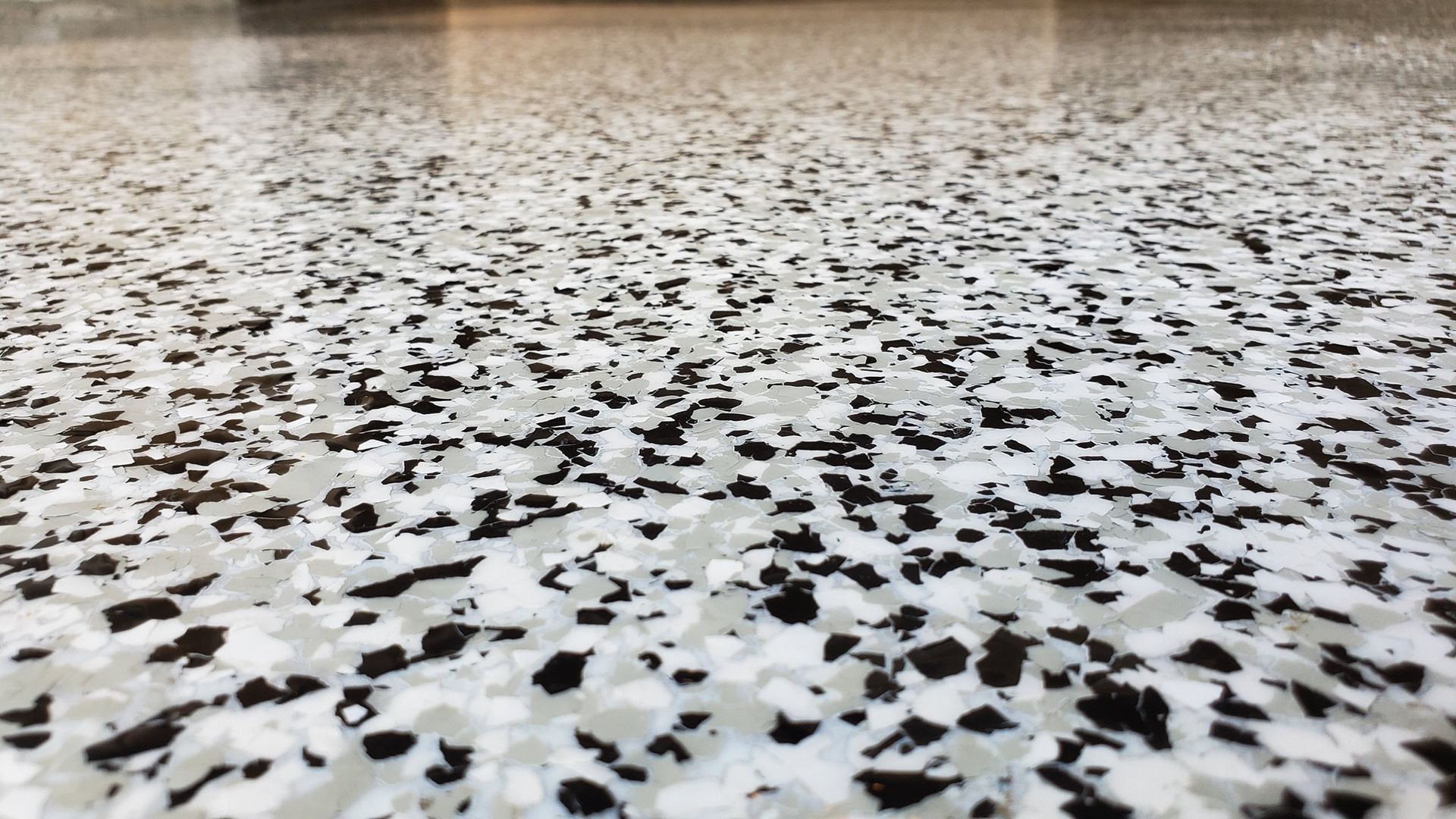
Flake epoxy has a textured, speckled appearance. The texture can help conceal small amounts of dirt, but soil may collect in low spots between flakes. Use a suitable brush or scrubber to reach those areas without damaging the coating.
Solid-color epoxy usually has a smoother, more uniform appearance. It is often straightforward to damp-mop, but scuffs and dirt may be more noticeable, especially on light-colored floors.
For both types, use the least aggressive method that removes the soil. A suitable cleaner and careful scrubbing are preferable to starting with abrasive pads or concentrated chemicals.
A Routine Commercial Epoxy Floor Cleaning Plan
Adjust cleaning frequency to traffic and soil levels. A busy warehouse entrance may need more frequent attention than a low-traffic storage area.
- Remove dry debris. Sweep, dust-mop, or vacuum regularly with equipment that will not scratch the coating. Grit under foot traffic or wheels can abrade the surface.
- Address spills promptly. Blot or remove the spill, then clean the area using a compatible method. Follow the coating manufacturer’s instructions for chemicals, oils, food, and other substances used at your facility.
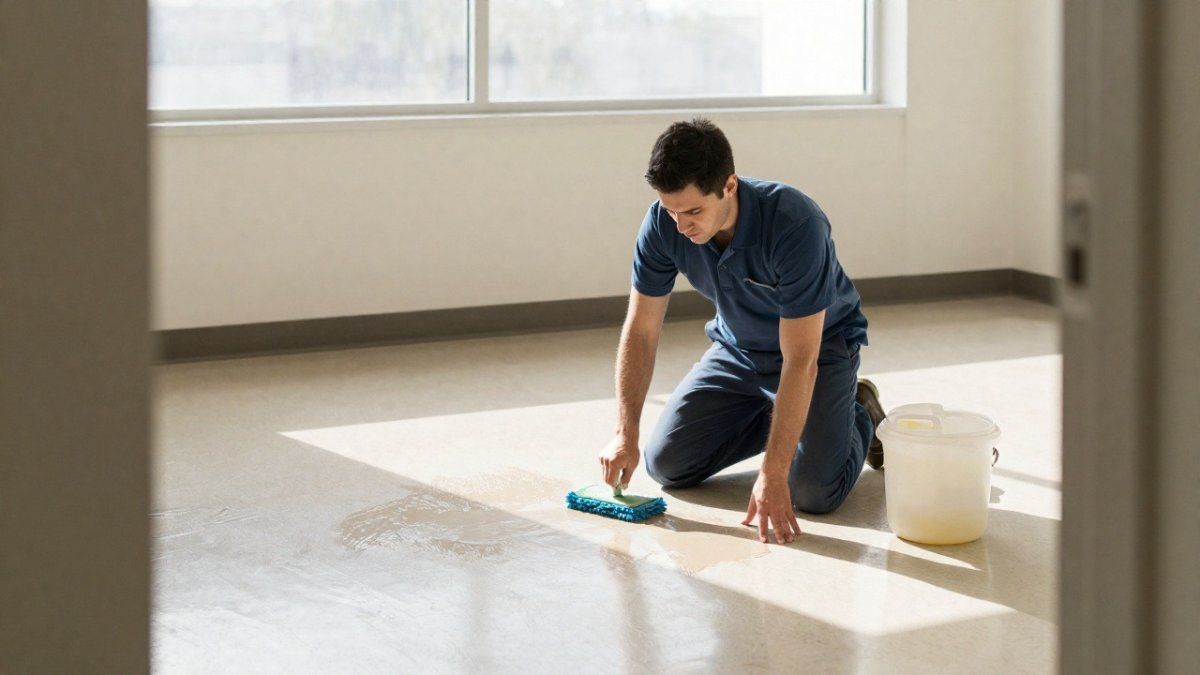
- Damp-mop with an approved cleaner. Use a diluted, neutral-pH cleaner only if it is compatible with the installed system. Follow the product’s dilution directions, change dirty water as needed, and avoid leaving puddles.
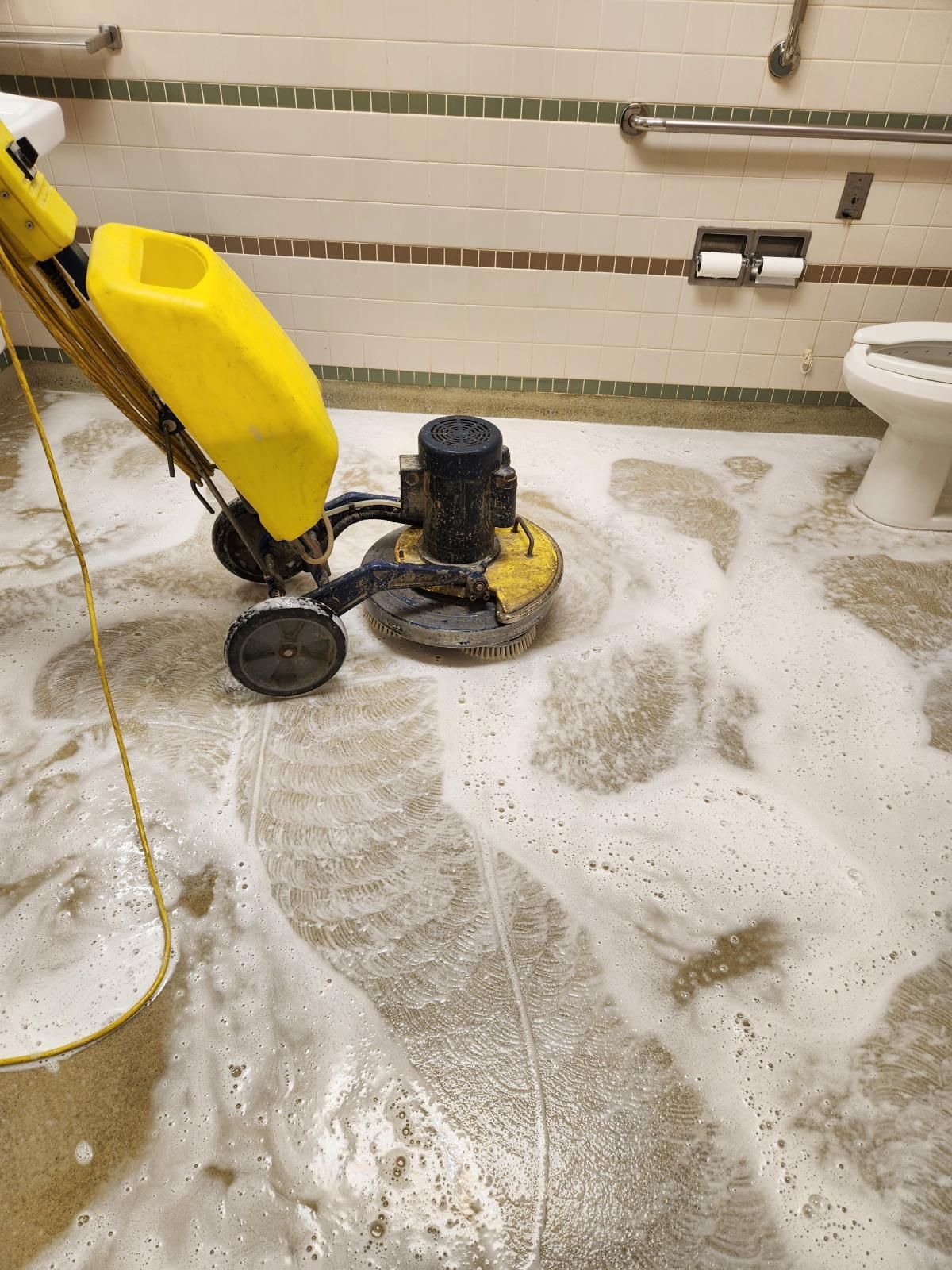
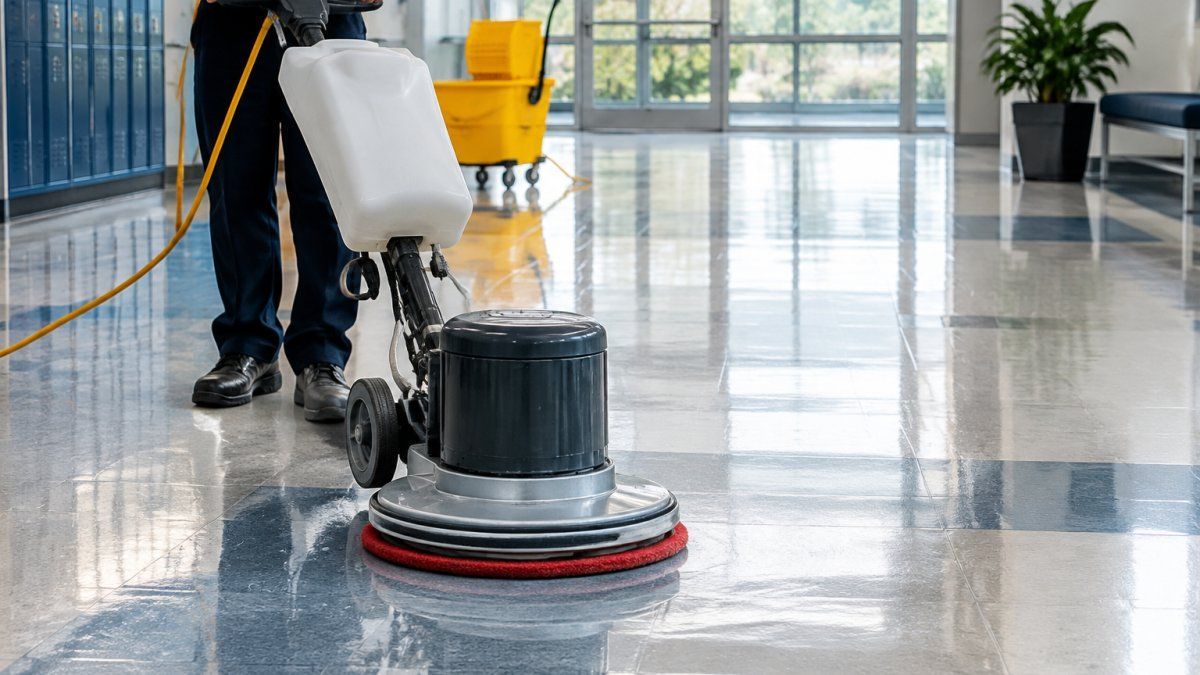
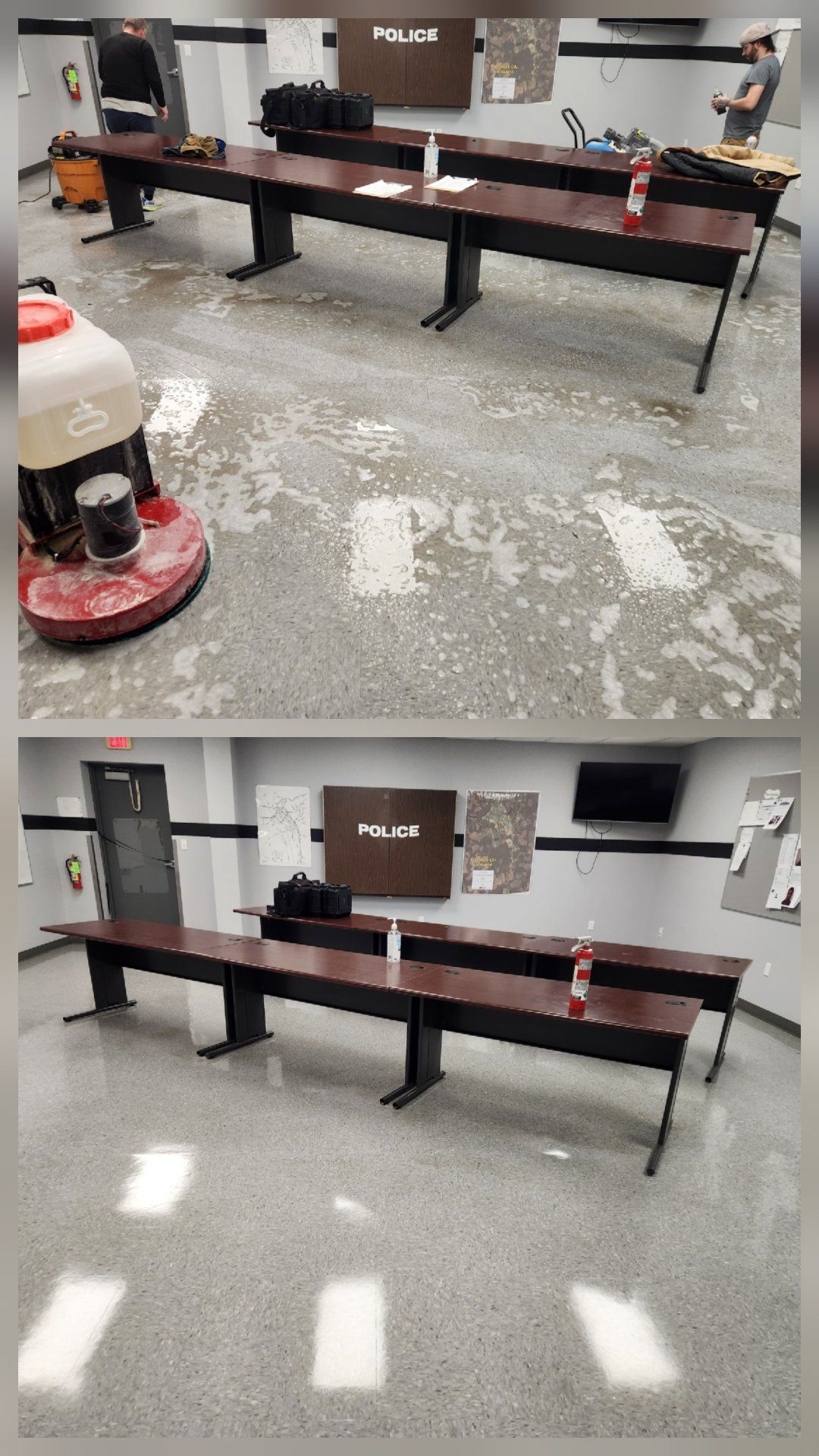
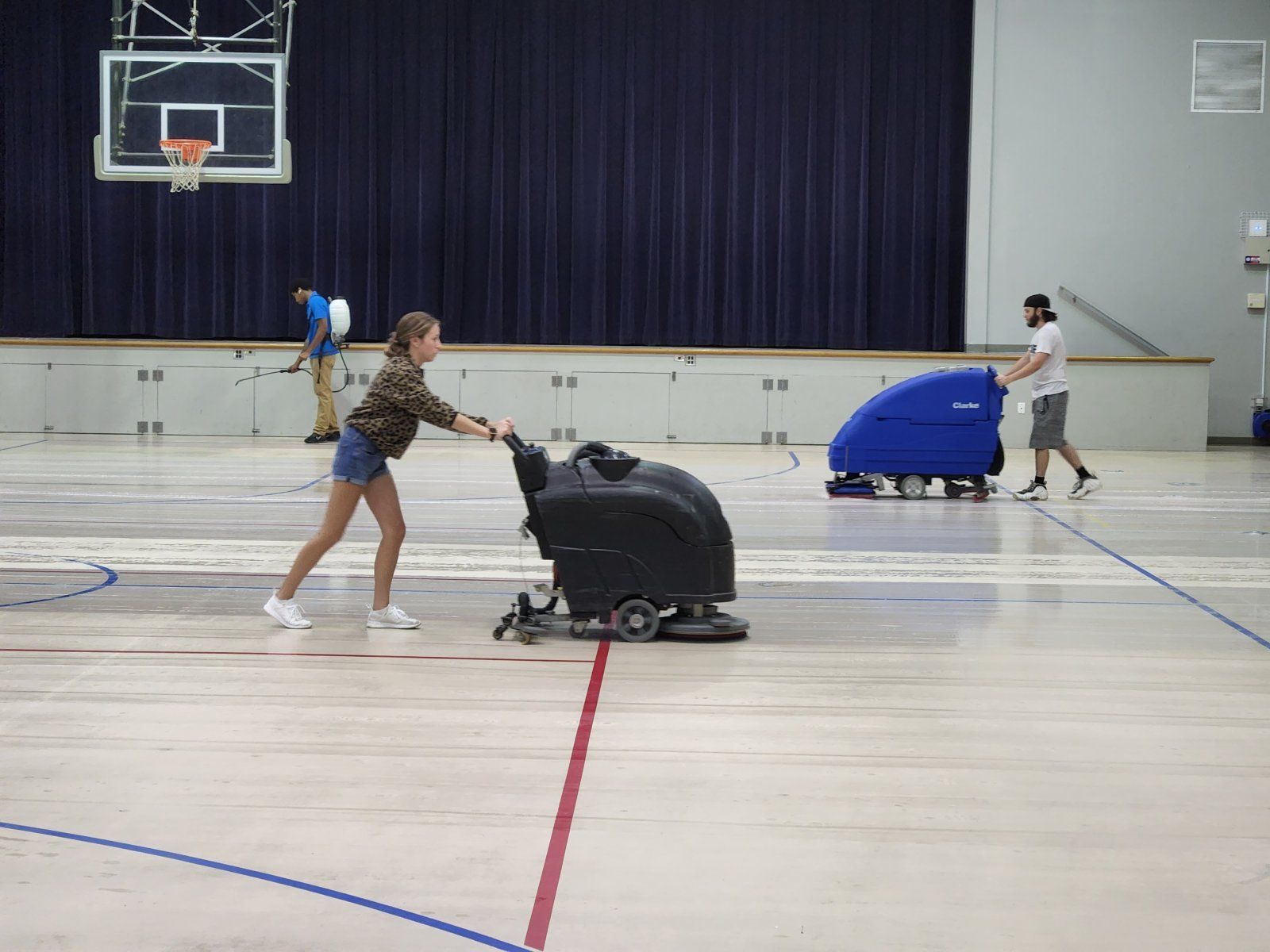
- Use an autoscrubber when appropriate. For larger commercial floors, an autoscrubber can help apply cleaning solution and recover it. Use soft pads or suitable brushes and a compatible cleaner; avoid aggressive pads that may dull or wear the surface.
- Rinse if directed. Some products require rinsing to remove cleaner residue. Follow the cleaner’s label and flooring manufacturer’s guidance, then leave the floor dry.
For textured floors, a synthetic mop or appropriate brush may reach the surface more effectively than a cotton mop. Keep mechanical action gentle enough to protect the coating and its texture.
Removing Tire Marks, Stains, and Soil Buildup
Tire marks and other rubber scuffs are common in garages, loading areas, and warehouses. Start by testing a compatible floor cleaner in a small, inconspicuous area. Apply it as directed, allow only the recommended dwell time, and gently scrub the mark with a suitable soft-bristle brush or floor machine.
If a mark remains, repeat the process rather than immediately switching to a harsh chemical or abrasive pad. Some rubber marks may be difficult to remove fully. Reducing unnecessary tire spinning and removing marks early can help limit buildup.
For grease, food residue, or other stubborn soil:
- Remove loose debris and absorb any remaining liquid.
- Apply an epoxy-compatible cleaner at its recommended dilution.
- Allow the stated dwell time and agitate with suitable equipment.
- Recover the dirty solution, rinse if required, and dry the area.
- Inspect the surface for discoloration, softening, or coating damage.
Avoid abrasive powders, steel wool, wire brushes, and aggressive pads. Do not use strong acids, solvents, or highly alkaline products unless the system manufacturer confirms they are compatible. A cleaner that is too concentrated can leave residue or affect the coating. The
Prime Polymers epoxy flooring care guide also notes that traffic, chemical exposure, and scrubber-pad choice can affect a floor’s service life.
When Professional Deep Cleaning or Recoat-Style Maintenance Makes Sense
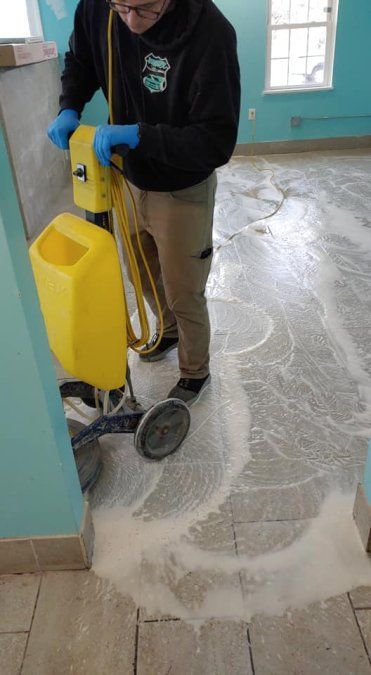
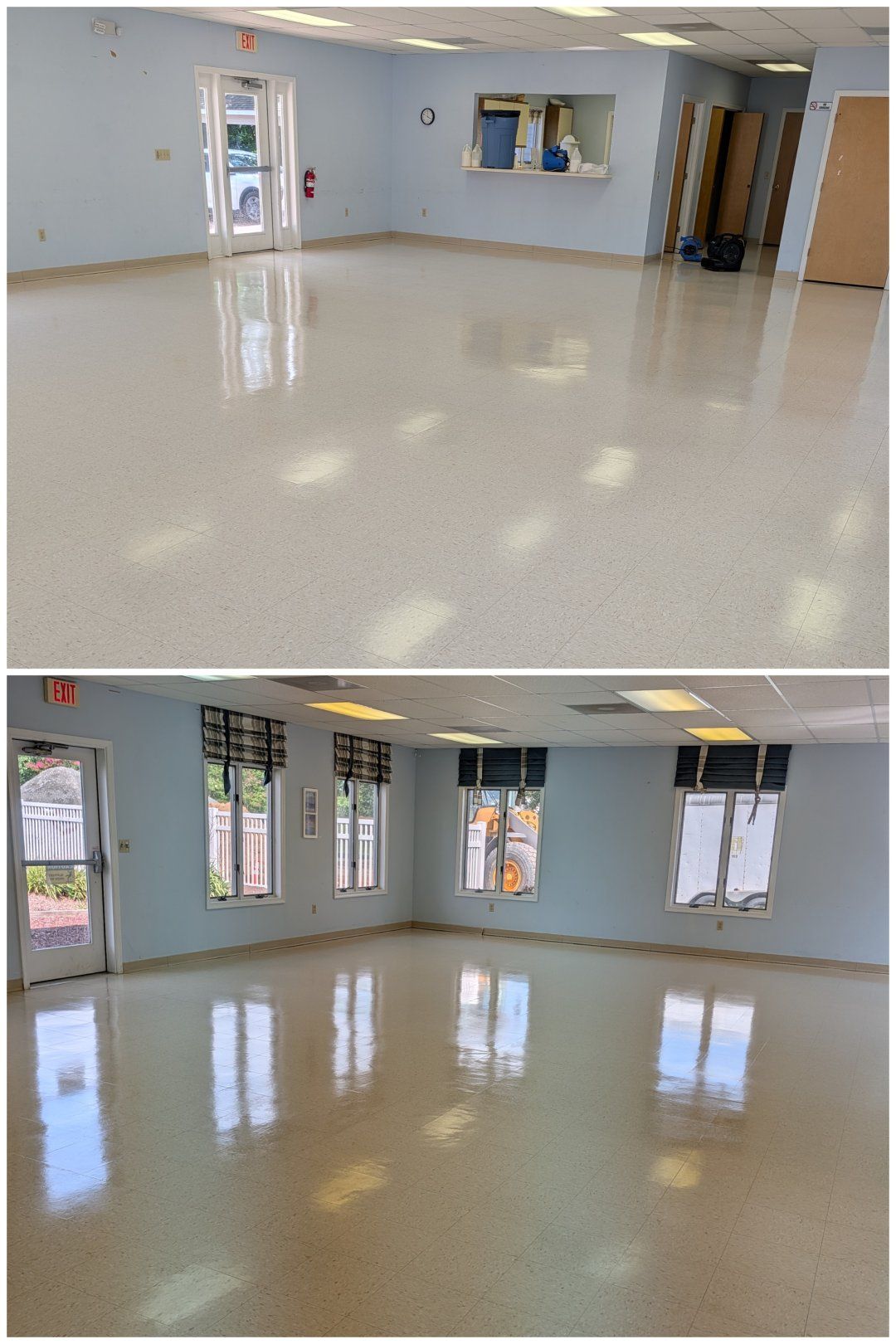
Routine care may not be enough when soil has built up in textured areas, the floor has persistent marks, or ordinary cleaning no longer restores an even appearance. Professional epoxy floor cleaning can provide a more thorough, controlled scrub and recovery process. The method should match the coating type, floor condition, and manufacturer’s recommendations.
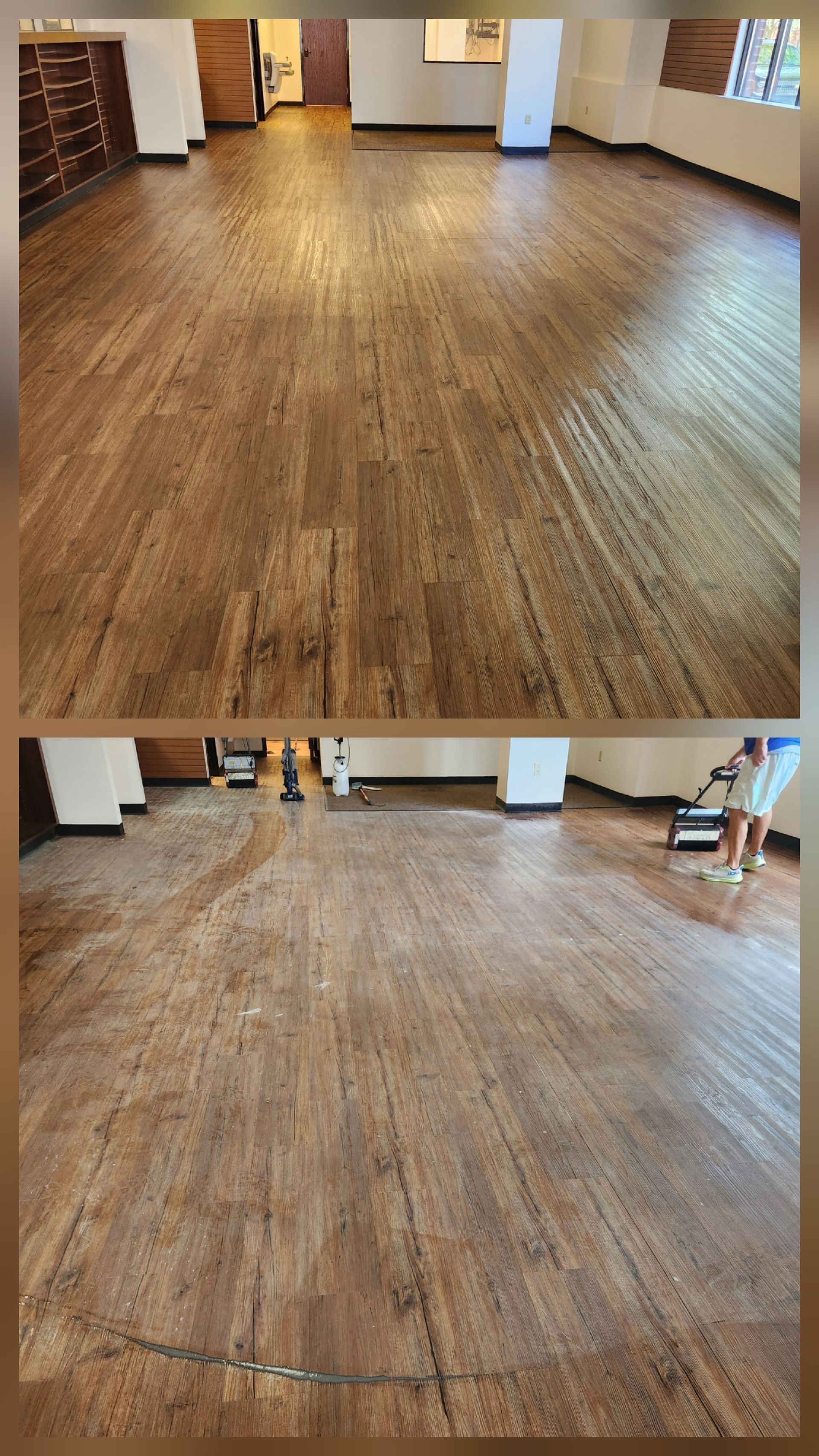
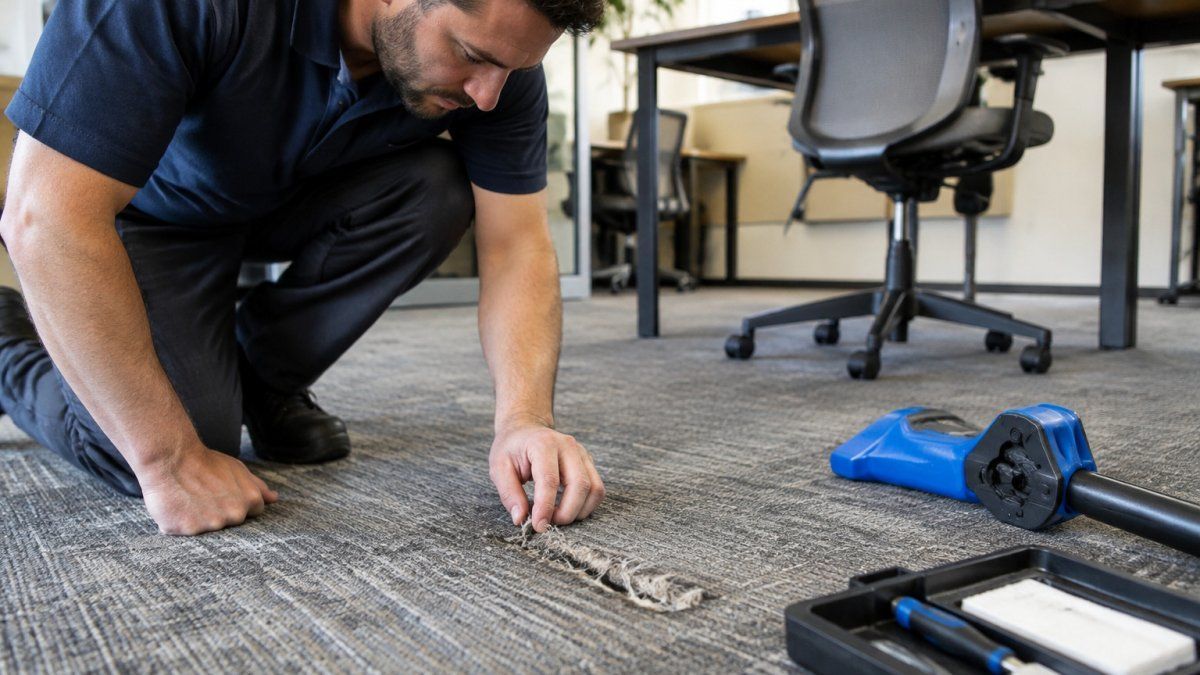
If the surface is visibly dull, scratched, or worn, have it assessed before applying a coating or finish. Recoat-style maintenance may be appropriate when the existing floor is sound and the proposed material is compatible. It is not a shortcut for addressing loose coating, damaged concrete, or an unprepared surface. Recoating generally requires thorough cleaning and mechanical preparation, so follow the flooring system’s product instructions.
A Smarter Clean LLC provides epoxy floor care for commercial properties. We can discuss your floor type, traffic patterns, soil concerns, and schedule to help identify a practical maintenance approach. Learn more about our
commercial floor maintenance or
contact us to discuss your facility.
Commercial Epoxy Floor Maintenance in Sussex County, Delaware
We serve commercial properties in Harbeson, Georgetown, Lewes, Rehoboth Beach, Dewey Beach, Milton, Millsboro, Seaford, Laurel, Bridgeville, Bethany Beach, Ocean View, Dagsboro, Selbyville, Fenwick Island, Delmar, and surrounding Sussex County communities.
Our epoxy floor care service is planned around your facility’s floor type, traffic, operating schedule, and maintenance needs. Flexible scheduling can help limit disruption to your workday.
Frequently Asked Questions
Can I use an autoscrubber on an epoxy floor?
Yes, if the floor system and equipment are compatible. Use a suitable cleaner and soft pad or brush, and test the method in a small area before cleaning the full floor.
Is flake epoxy cleaned differently from solid-color epoxy?
The basic routine is similar: remove grit, use a compatible cleaner, and avoid aggressive scrubbing. Flake epoxy may need extra attention in textured areas where soil can collect.
Can I use vinegar, bleach, or a strong degreaser?
Do not assume these products are safe for your coating. Check the flooring manufacturer’s guidance, and test any unfamiliar cleaner first. Use only products confirmed as compatible.
Does an epoxy floor need waxing?
Not necessarily. Epoxy systems vary, so follow the manufacturer’s care instructions. If the floor is dull or worn, ask whether cleaning, repair, or a compatible recoat is appropriate before applying wax or another finish.
When should I request professional epoxy floor cleaning?
Consider an assessment when marks and buildup remain after routine care, the floor has uneven wear, or you are unsure which cleaning method is safe. Early review can help distinguish soil buildup from coating damage.
Request a Free Estimate
For commercial epoxy floor cleaning or maintenance in Sussex County, contact A Smarter Clean LLC. Call
302-841-1063 or visit
asmarterclean.com to request a free estimate and discuss a plan for your flake or solid-color epoxy floor.