


A red metal shed with a white door and window, set against a backdrop of green pine trees and a clear blue sky.

When Your Commercial VCT Floors Need a Full Strip and Wax

Editorial Team • November 27, 2026

Last Updated: November 27, 2026

Quick Summary

VCT floors need a full strip when the finish has built up too far, yellowed, worn through in traffic lanes, trapped embedded soil, or stopped responding to burnishing and scrub-and-recoat. Any two of these signs together usually means a full strip and wax is the right call.

  • Yellowing that survives a proper scrub is a finish problem, not a dirt problem.
  • Shiny patches beside dull corridors mean the finish has worn through in high-traffic areas.
  • A recoat adds a fresh layer on sound finish; a full strip removes everything down to the tile.
  • Recoating low-traffic areas on the same interval as entrances builds film that never wears off.
  • Skipping the neutralizer and rinse leaves stripper residue that prevents new finish from bonding.

Not sure if your VCT needs a full strip? A Smarter Clean evaluates your floor condition and recommends the right service for your facility.
Request a Free Floor Estimate

Table of Contents

How can you tell when commercial VCT floors need a full strip?

Commercial VCT floors need a full strip when the finish has built up too far, yellowed, worn through in traffic lanes, trapped embedded soil, or stopped responding to burnishing and scrub-and-recoat. For the full explanation of when a strip is truly necessary, see when your floor needs a full strip. Those are the conditions where lighter maintenance can no longer restore the floor.

Vinyl composition tile is a forgiving surface, but the finish on top of it wears over time. At A Smarter Clean, we evaluate floor condition before recommending restoration, and we do not push a full strip when a less intensive service will get the result.

Below, we walk through the seven warning signs, how to tell a recoat from a full strip, and what a properly planned strip job actually involves. The Resilient Floor Covering Institute guidance on resilient flooring care is a useful neutral reference on how finish systems behave over time.

Warning Signs Your VCT Floors Need a Full Strip and Wax

Watch for finish buildup, yellowing, uneven gloss, worn traffic lanes, embedded dirt, and floors that no longer respond to routine maintenance. Any two of these together usually means a full strip and wax is the right call.

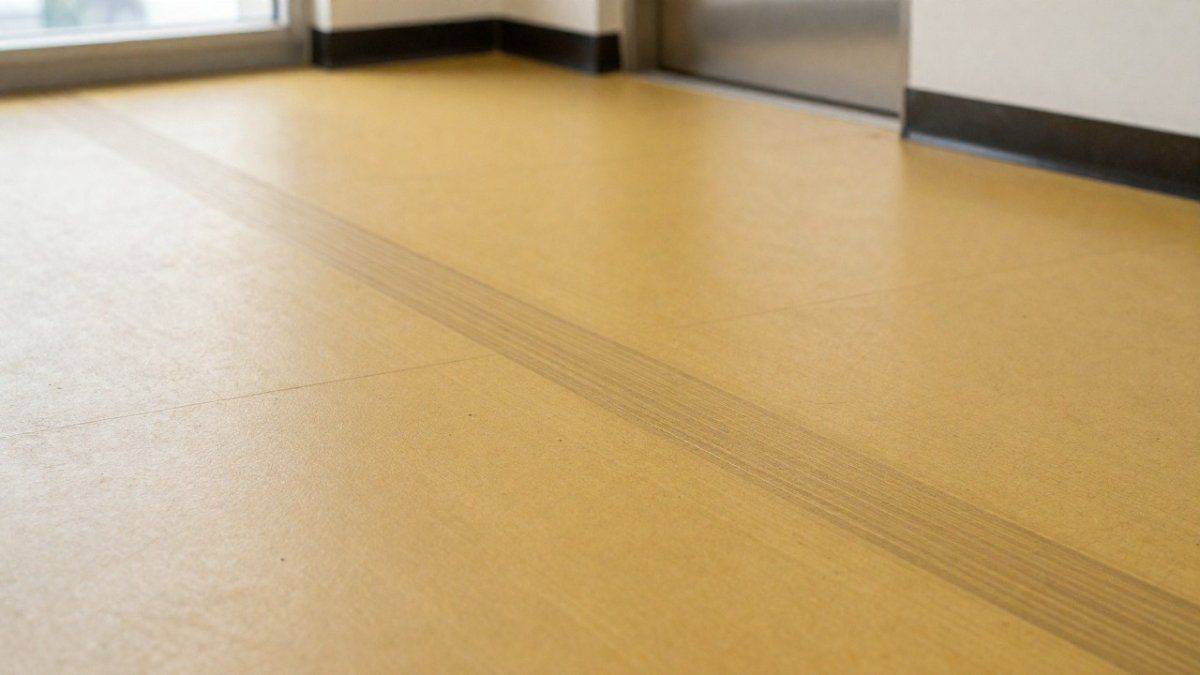
Dull, yellowed VCT floors in an office hallway with visible scuff marks and worn traffic lanes from high usage.

Yellowing and Discoloration That Persists After Cleaning

Yellowing that survives a proper cleaning is a finish problem, not a dirt problem. Older finish layers oxidize and trap soil, and no amount of mopping reverses it.

This is one of the clearest VCT-specific signals. If the tile looks amber under fluorescent light even after a scrub, the finish itself has failed. Note that permanent tile staining and scratches are a different matter, and no strip will remove those.

Worn-Through Traffic Lanes and Uneven Gloss

Shiny patches beside dull corridors mean the finish has worn through in high-traffic areas while staying intact elsewhere. Bare tile is exposed in the worn lanes, which is where soil and moisture get in first.

Uneven appearance is easy to spot from a standing height at the end of a hallway. If the lanes look matte and the edges still reflect light, the protective finish is gone where it matters most.

When Commercial Floor Scrub and Recoat Is Enough (and When It Is Not)

A commercial floor scrub and recoat is enough when the existing finish is still bonded, still continuous, and still hiding the tile.

Facility managers benefit most from a sequence that indicates which service fits.

Check 1: Is the finish continuous? Walk the busiest lane at standing height with the light behind you.

Check 2: Is the film still clear? Yellowing that survives a proper scrub is a finish problem, not a dirt problem.

Check 3: How many layers are on the floor? Finish buildup is cumulative.

Check 4: Does the floor respond to maintenance? This is the practical test.

Use the results together rather than in isolation:

  • Scrub and recoat fits when the finish is dull but even, no bare tile shows, the film is still clear, buildup is modest, and the floor holds gloss after maintenance.
  • A full strip fits when finish is worn through in lanes, yellowed across the field, built up enough that new coats will not bond, or unresponsive to a recent recoat.
  • A scrub alone fits when the finish is sound but has surface soil, scuffs, and black marks that routine mopping will not lift. Scrubbing cleans the film; it does not rebuild it.

At A Smarter Clean, we run this evaluation before recommending restoration, and we do not push a full strip when a scrub-and-recoat will get the result.

If you are weighing recoat frequency, our guide on how often commercial VCT floors should be scrubbed and recoated covers the timing question in more detail.

The article's four checks point to which service fits the floor's condition.

Check

What it asks

What it means

Is the finish continuous?

Bare tile, gray patches, or matte band in busiest lane

Worn-through finish means a strip

Is the film still clear?

Yellowing survives a proper scrub across whole field

Oxidized film means a strip

How many layers are on the floor?

Soft, tacky, cracked, or patchwork sheen from buildup

Buildup means a strip

Does the floor respond to maintenance?

Gloss holds for weeks after scrub-and-recoat

Unresponsive floor means a strip

What VCT Floor Burnishing Can and Cannot Fix

VCT floor burnishing restores gloss on finish that is still healthy. It cannot rebuild finish that has worn away, and it will not remove embedded soil trapped under the surface.

Burnishing is a maintenance step, not a restoration step. Used on a sound finish, it brings back shine and extends the interval between recoats. Used on a failing finish, it produces a temporarily glossy surface over a floor that still needs work.

A common mistake is burnishing a floor that actually needs scrubbing first. If your floor shows the marks that call for scrubbing rather than burnishing, our breakdown of the signs your commercial VCT floors need scrubbing will help you sort one from the other.

Building a Commercial Floor Maintenance Schedule That Delays Full Stripping

A commercial floor maintenance schedule built around routine cleaning, entrance matting, prompt spill cleanup, and regular inspections keeps finish healthy far longer. The goal is to address wear early, before restoration becomes the only option.

Treat floor care as an ongoing program rather than a reaction to badly worn floors. For VCT, burnishing and scrub-and-recoat usually come before a full strip and wax is needed.

Set the cadence by traffic, not by habit. A common pattern is to sort each area into one of three tiers and maintain each differently:

  • High-traffic: main entrances, vestibules, checkout lanes, cafeteria lines, corridor junctions, and elevator lobbies. These are where finish wears through first, and they usually need the most frequent burnishing and the earliest recoat.
  • Medium-traffic: general corridors, classroom wings, waiting rooms, and office aisles. These hold gloss longer but still show lane wear.
  • Low-traffic: storage rooms, back offices, closets, and perimeter edges. These often accumulate finish buildup rather than wear, because they get recoated on the same schedule as the busy areas without ever wearing down.

That last point is where many schedules go wrong.

Use the maintenance levers in order. Each step buys time before the next one is needed:

  1. Daily and frequent cleaning removes grit before it acts like sandpaper under foot traffic. Soil left on the surface is what dulls finish fastest.
  2. Entrance matting stops tracked-in grit at the door. A long enough matting run at each entrance reduces the soil load on the first twenty feet of floor more than any other single measure.
  3. Prompt spill cleanup keeps spills from sitting on finish and softening it, and keeps sticky residue from attracting soil.
  4. Burnishing restores gloss on finish that is still healthy and extends the interval between recoats.
  5. Scrub-and-recoat refreshes a sound film that has dulled or picked up surface marks.
  6. Full strip and wax resets the floor when the finish has worn through, yellowed, or built up past the point where new coats will bond.

Inspect on a schedule, not on a complaint. A short walk of each tier every few weeks, looking for lane wear, color shift, and patchy sheen, catches problems while a recoat can still fix them.

Different materials need different handling. VCT, LVT/LVP, tile and grout, concrete, and wood each respond differently to cleaning and finish products, and many LVT/LVP floors should not automatically be waxed or treated like VCT.

Planning a Full Strip: Downtime, Safety, and Verifying the Results

Plan a full strip around downtime, ventilation, and a clear verification checklist. A proper strip takes the floor out of service for a stretch, and the results should be checked against specific criteria before the job is signed off.

Safety and operational planning is where most strip projects go sideways. The floor is unusable while finish is removed and new coats cure, so schedule around low-traffic windows. Flexible evening and weekend scheduling is available where possible.

Verification matters just as much. Before approving the finished floor, confirm:

  • Old finish and buildup fully removed, with no patchy residue
  • Floor properly neutralized and rinsed before new finish
  • Adequate drying time between coats
  • Even gloss across traffic lanes and edges
  • No visible debris or bubbles trapped under new finish coats

Watch out: skipping the neutralizer and rinse step leaves stripper residue that prevents new finish from bonding, and the floor fails again within weeks. For what drives the scope of a strip project, our floor stripping and waxing cost guide explains the factors before you request an estimate.

Request a Free Commercial Floor-Care Estimate

A Smarter Clean provides commercial floor stripping and waxing for VCT, plus recurring floor care for LVT/LVP, tile and grout, concrete, and commercial carpet across Sussex County, Kent County, Delaware, and Maryland's Eastern Shore.

Owner-operated quality control means the person accountable for the work is on the job. Our team members are background-checked, we use professional equipment, and we offer flexible evening and weekend scheduling where available. We use OSHA-safe cleaning products.

If your floors show several of the signs above, request a free commercial floor-care estimate. Before you hire anyone, our free checklist of questions to ask before hiring a commercial floor cleaning company is worth reviewing.


Dull, yellowed floors with worn traffic lanes rarely fix themselves, and waiting usually means more finish to remove later. A Smarter Clean evaluates your floor condition first, recommends the least intensive service that works, and handles VCT stripping and waxing with owner-operated quality control and background-checked staff.

Frequently Asked Questions

How often should VCT floors be stripped and waxed?

How often a commercial VCT floor needs a full strip depends on traffic levels and the condition of the finish. Proper maintenance between strips, including burnishing and scrub-and-recoat, can extend the interval. The right interval depends on traffic levels, entrance matting, and how well the finish holds up. A Smarter Clean evaluates floor condition before recommending a full strip, so the service matches the floor's actual condition.

What causes commercial VCT floor finish to turn yellow?

Yellowing usually comes from finish buildup, embedded soil trapped in old layers, and repeated coats applied without stripping. Over time, those layers trap dirt and react to light and cleaning agents, and the color shifts. Routine mopping will not fix it because the discoloration sits inside the finish, not on top. A full strip removes the old layers and lets new finish coats restore a clear appearance. Some tile discoloration is permanent and may not come out, which a professional should assess first.

When is a scrub-and-recoat service enough for VCT?

A commercial floor scrub and recoat works when the existing finish is still in good condition but looks tired. If the finish is intact, not worn through, and free of heavy buildup, scrubbing and adding one or two new coats can restore gloss without a full strip. If the finish is worn through to bare tile or has multiple old layers, a full strip is the better choice. A Smarter Clean checks the floor condition before recommending either service.

Can VCT floor burnishing restore worn commercial floors?

VCT floor burnishing restores gloss on finishes that are intact but dull. Burnishing smooths the finish and brings back shine, and it is useful for routine maintenance between recoats. It cannot fix finish that is worn through to bare tile, yellowed from buildup, or holding embedded soil. Floors that no longer respond to burnishing are usually telling you a full strip is due.

By Editorial Team • November 25, 2026
Plan carpet maintenance for school hallways around traffic, soil, and the school calendar. Learn how to schedule vacuuming, matting, and extraction.
By Editorial Team • November 24, 2026
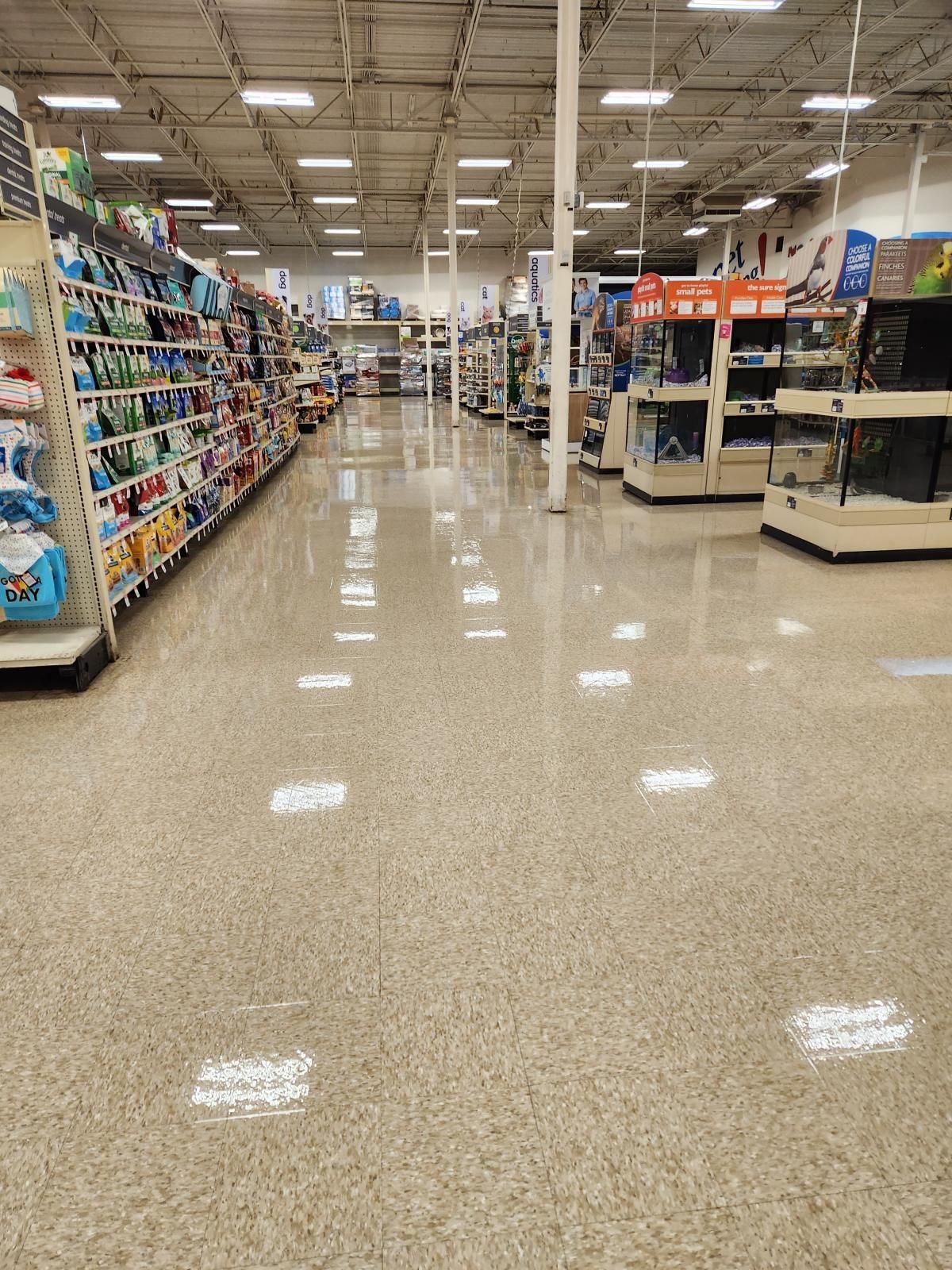
VCT floor maintenance in high-traffic areas starts with condition-based schedules, not fixed calendars. Learn how to protect finish and plan recoat timing.
By Editorial Team • November 23, 2026
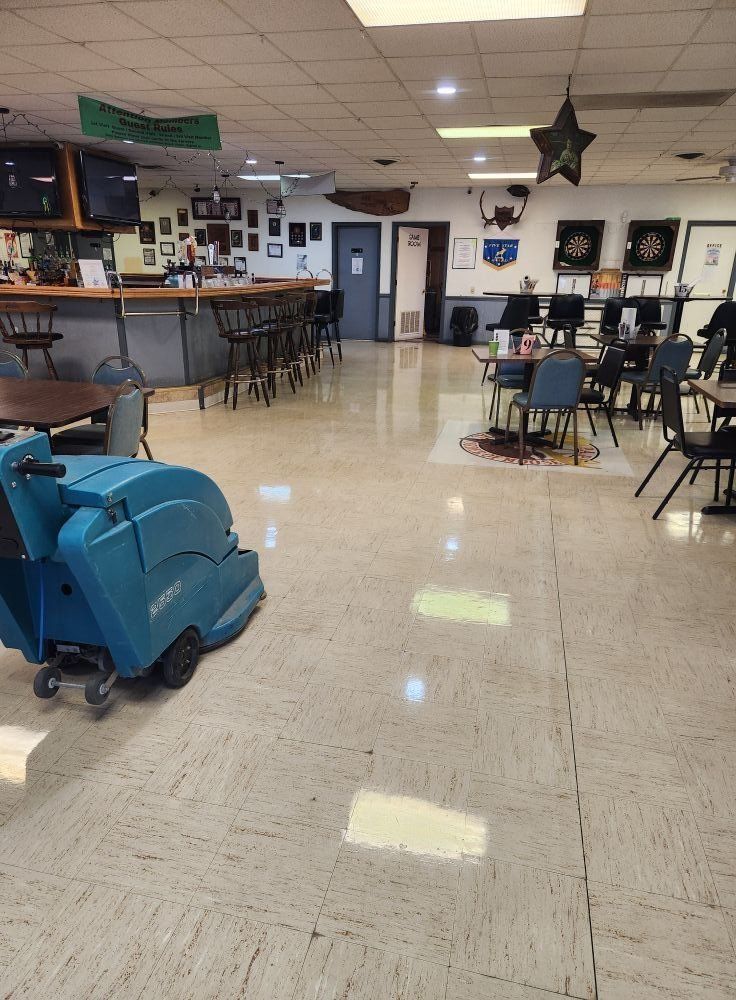
A floor maintenance program protects commercial flooring and cuts premature wear. Learn what a scheduled plan includes and get a walkthrough.
By Editorial Team • November 21, 2026
Learn how to extend the lifespan of commercial tile and grout with 7 practical habits, from matting to sealing. Request a walkthrough from A Smarter Clean.
By Dawn Stewart • November 20, 2026
Flake and Solid-Color Epoxy: Different Surfaces - Similar Care
By Editorial Team • November 20, 2026
Commercial floor care keeps high-traffic facilities looking consistent. Learn material-specific cleaning steps, schedules, and when to call a professional.
By Editorial Team • November 19, 2026
Choosing cleaning solutions for porous commercial tile starts with knowing the surface. Learn how pH, dwell time and rinsing protect grout and tile.
By Editorial Team • November 18, 2026
LVT floor care product compatibility decides how your commercial floors look and last. Learn which cleaners, pads, and coatings are safe for LVT.
By Editorial Team • November 17, 2026
Learn how often to scrub VCT floors and spot the signs your commercial floors need attention. Get a practical maintenance schedule for your facility.
By Editorial Team • November 15, 2026
Learn when a VCT scrub and recoat beats a full strip and wax, and how traffic, wear, and burnishing set your schedule. Request a floor-care walkthrough.
Show More