


A red metal shed with a white door and window, set against a backdrop of green pine trees and a clear blue sky.

How to Remove Stubborn Stains From Tile and Grout

Editorial Team • September 17, 2026

Table of Contents

Last Updated: September 15, 2026

Step 1: Identify Your Grout Type and Tile Material Before You Touch a Stain

Knowing how to remove stubborn stains from tile and grout starts with one question most guides skip: what are you actually cleaning? At A Smarter Clean, we see well-intentioned scrubbing cause more damage than the stain itself, especially in medical offices and school hallways where floors take a beating daily.

Grout is porous. That single fact explains why stains sink in, why harsh chemicals backfire, and why the wrong brush etches a permanent record of your mistake into the floor.

Sanded vs. Unsanded Grout: Why It Changes Your Cleaning Method

Sanded grout contains fine aggregate and fills joints wider than 3 mm (1/8 inch) ( Grout). Unsanded grout is smoother and suits narrow joints and wall tile. Sanded grout tolerates a stiff-bristled brush; unsanded grout scratches easily, so use a soft brush and gentler pressure. Test any product in an inconspicuous area first.

Ceramic, Porcelain, and Natural Stone: What Each Surface Tolerates

Ceramic and porcelain tile resist most alkaline cleaners, though porcelain is denser and less absorbent. Natural stone, including travertine and marble, is calcium-based and reacts badly to acidic solutions, which etch the surface. Stick to pH-neutral products on stone, and never let an acidic cleaner sit on it.

Step 2: What You'll Need to Remove Stubborn Stains From Tile and Grout

Gather your tools before you start, because a half-prepared job leads to aggressive scrubbing. You will need:

  • A stiff-bristled grout brush for sanded grout, plus a soft brush for delicate surfaces
  • An alkaline cleaner for grease and organic soil
  • An acidic solution formulated for hard water and mineral deposits, used only on ceramic or porcelain
  • Oxygenated bleach for mold and mildew discoloration
  • Protective gear: gloves, eye protection, and knee pads
  • A wet vacuum or clean mops for rinsing
  • A grout sealer for after cleaning

Watch Out
Never mix cleaning chemicals. Combining bleach with an acidic product releases toxic gas. Combining ammonia with bleach creates dangerous vapors. Use one product at a time, rinse thoroughly, and ventilate the space before switching.

Step 3: Match the Stain to the Right Method

Different stains need different chemistry, and the fastest way to waste labor is to apply the wrong product to the wrong stain. Before you choose a cleaner, identify the stain by color and behavior, then confirm the tile and grout can tolerate the chemistry. This is the step most generic guides compress into a single table, and it is where facility crews lose the most time.

Read the Stain by Color and Texture

Stain appearance tells you what you are dealing with:

  • White, chalky, or crusty film. Mineral deposits from hard water, calcium, or efflorescence migrating up from beneath the tile. These respond to acidic chemistry on ceramic and porcelain only.
  • Black, gray, or green-black speckling in the grout lines. Organic growth, mold, mildew, or algae, usually concentrated where moisture lingers: around floor drains, under sinks, behind toilet bases, and along exterior walls.
  • Brown, yellow, or orange discoloration. Often rust from metal fixtures, furniture glides, or irrigation water, or tannin staining from spilled coffee, tea, or soda. Rust responds to acidic chemistry; tannins respond better to oxygenated bleach.
  • Dark, greasy, or smeared patches. Oil, grease, body oils, and tracked-in asphalt residue. These lift with alkaline cleaners and dwell time, not with acid.
  • Pink or red-orange film. A biofilm that commonly appears in wet areas such as restrooms and locker rooms. It is organic, not a mineral stain, and it responds to oxygenated bleach plus agitation.

Organic vs. Mineral vs. Oil-Based: Why the Distinction Matters

Organic stains (mold, mildew, algae, biofilm, food and beverage tannins) are carbon-based and break down with oxidizing chemistry, oxygenated bleach being the safest general choice. Mineral stains (hard water, calcium, efflorescence, rust) are inorganic deposits that dissolve with acid. Oil-based stains (grease, body oil, asphalt, cosmetics) are nonpolar and need an alkaline surfactant to lift them from the grout's pores.

Applying the wrong category does not just fail, it can make things worse. Acid on an oil stain does nothing and may etch adjacent stone. Oxygenated bleach on a rust stain can set the rust deeper. Alkaline cleaner on efflorescence leaves the mineral deposit intact and adds a film that attracts soil.

Match Stain to Chemistry and Surface

Stain Type Best Cleaner Safe On Avoid
Hard water, calcium Acidic solution Ceramic, porcelain Natural stone
Rust Acidic solution Ceramic, porcelain Natural stone
Mold, mildew, biofilm Oxygenated bleach Most tile Unsealed stone
Tannins (coffee, tea, soda) Oxygenated bleach Most tile Unsealed stone
Grease, oils, asphalt Alkaline cleaner All tile None
Efflorescence Acidic solution Ceramic, porcelain Natural stone

Hard Water Deposits, Calcium Buildup, and Efflorescence

Hard water leaves a mineral film that dulls grout lines over time and traps soil. Efflorescence is a white, powdery deposit that migrates to the surface from beneath the tile as moisture moves through the substrate. An acidic solution dissolves both, but only on ceramic and porcelain. Apply, allow dwell time, scrub lightly along the grout lines, and rinse completely so residue does not re-harden. If efflorescence returns within weeks, the moisture source beneath the tile is still active, cleaning alone will not solve it.

Mold, Mildew, and Organic Discoloration

Mold and mildew thrive in grout's porous structure wherever moisture lingers. Oxygenated bleach lifts the discoloration without the harshness of straight chlorine bleach, and it is safer on colored grout because it is less likely to bleach the pigment. Improve ventilation and fix the moisture source, or the growth returns within weeks.

Grease, Oils, and Tracked-In Soil

Watch Out
Never mix cleaning chemicals. Combining bleach with an acidic product releases toxic gas. Combining ammonia with bleach creates dangerous vapors. Use one product at a time, rinse thoroughly, and ventilate the space before switching.

Step 4: Apply, Dwell, Scrub, and Rinse Safely

Pro Tip
Dwell time does the work, not your arm. A common mistake is scrubbing immediately after applying cleaner. Give the product five to ten minutes to break down the stain, then scrub once. The results are better and the grout lasts longer.

The Dangers of Improper Grout Cleaning Chemicals

Step 5: Seal Grout After Cleaning to Protect Your Investment

Why Porous Grout Needs Sealing After Cleaning

Penetrating vs. Topical Sealers

How to Apply Sealer Correctly

The sequence matters more than the product:

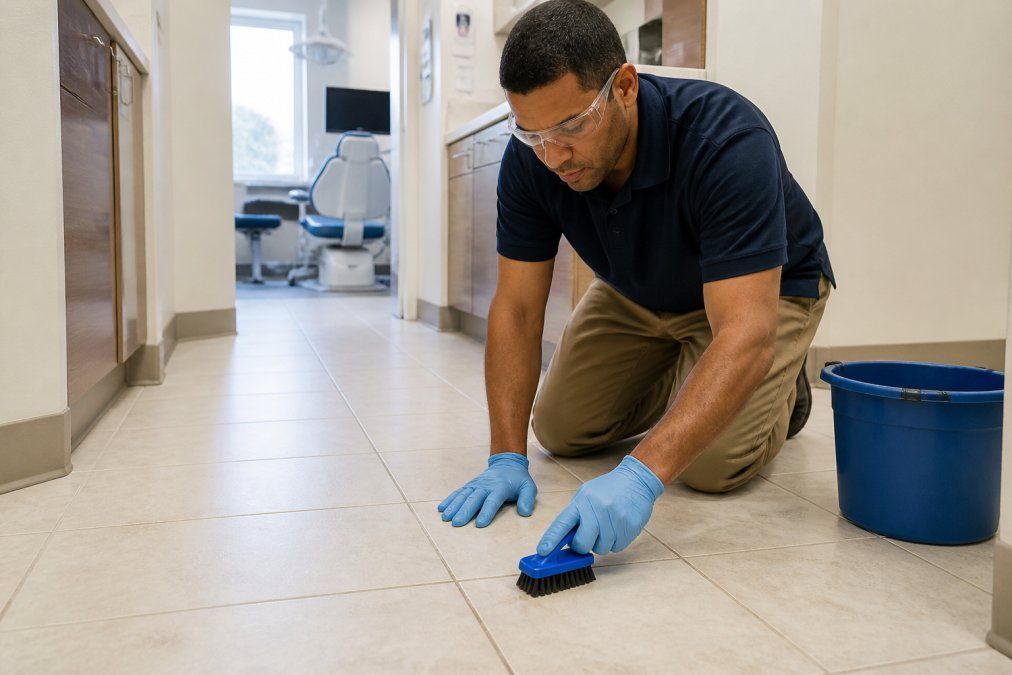
Cleaning technician in protective gear scrubbing stubborn stains from medical office floor tiles.

Reapplication: When and How Often

Pro Tip
Seal after every deep clean, not instead of it. Sealer over soil locks the stain in and makes the next cleaning harder.

When to Call Commercial Grout Restoration Services

Key Takeaway
If cleaning has not improved the stain after two attempts, stop. Continuing to scrub damages the grout and costs more to fix than professional restoration would have.

Best Practices for Commercial Tile Maintenance

Commercial Floor Care Frequency: How Often to Deep Clean

Deep cleaning frequency depends on traffic and soil type:

Facility Type Sweep/Mop Deep Clean
Medical or dental office Daily Monthly
School or church Daily Quarterly
Office building Daily Quarterly to twice yearly
High-traffic retail Daily Monthly
Pro Tip
Track when each area was last deep cleaned. Facilities that log floor care catch problem zones early and avoid emergency restoration.

Frequently Asked Questions

What is the safest way to clean heavily stained commercial grout?

Start by identifying your grout type and tile material, then spot test any cleaner in an inconspicuous area. For most commercial floors, a pH-neutral cleaner with a stiff-bristled grout brush and adequate dwell time handles routine soil. For stubborn stains like hard water deposits or calcium buildup, an alkaline cleaner or oxygenated bleach works on ceramic and porcelain, but natural stone needs gentler products. Always wear protective gear, ventilate the space, and rinse thoroughly. If stains persist after two attempts, a professional commercial grout restoration service can deep clean without risking surface integrity.

Can improper cleaning chemicals permanently damage tile flooring?

Yes. Acidic solutions and abrasive powders can etch ceramic glaze, dull porcelain, and strip the finish from natural stone. Strong acids also erode grout, widening pores and making future staining more likely. Mixing cleaners, especially bleach with ammonia or vinegar, creates toxic fumes and is never safe. The dangers of improper grout cleaning chemicals include permanent discoloration, surface pitting, and respiratory hazards for staff. Stick to one product at a time, follow dilution instructions, and choose pH-neutral options when in doubt.

Why does grout become discolored in high-traffic commercial areas?

Grout is porous, so it absorbs whatever sits on it. In high-traffic areas like lobbies, cafeterias, and restrooms, soil, oils, and spills work into those pores and set over time. Hard water deposits and calcium buildup leave a chalky film, while moisture in damp areas encourages mold and mildew. Without regular deep cleaning and a sealer to close the pores, discoloration becomes permanent. A consistent maintenance schedule and periodic sealing keep grout lines looking uniform instead of patchy.

How often should commercial tile and grout undergo deep cleaning?

Commercial floor care frequency depends on traffic and soil type. High-traffic areas like entryways and restrooms often need deep cleaning monthly, while lower-traffic offices and classrooms may go quarterly. Medical and dental facilities usually need more frequent attention because of hygiene requirements. Between deep cleans, daily mopping with a pH-neutral cleaner and prompt spill response extend results. If grout still looks dull or stained after routine cleaning, it is time to schedule professional deep cleaning or restoration.


Stubborn stains on tile and grout are a maintenance problem, not a one-time cleaning problem. When your floors need more than routine attention, A Smarter Clean provides specialized tile and grout cleaning, low-moisture processes, and OSHA-safe products delivered by background-checked staff on a schedule that fits your facility. Request a free commercial cleaning estimate and get a floor care plan built around your building.

By Editorial Team September 17, 2026
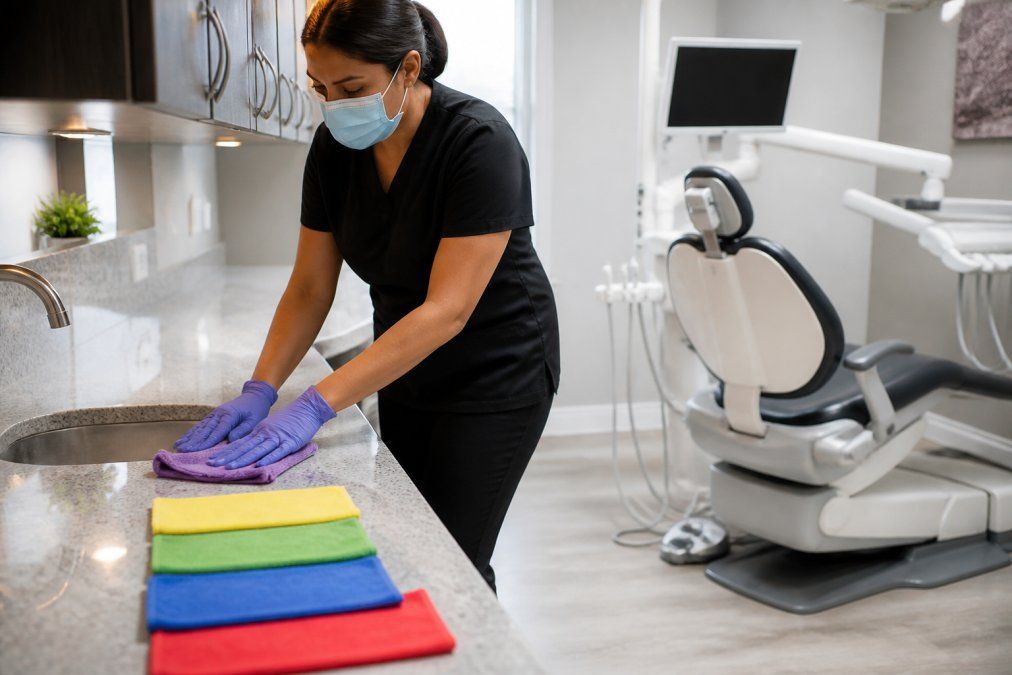
OSHA compliant cleaning for dental offices starts here. Learn the steps, standards, and staff training that protect your practice. Get a free walkthrough.
By Editorial Team September 13, 2026
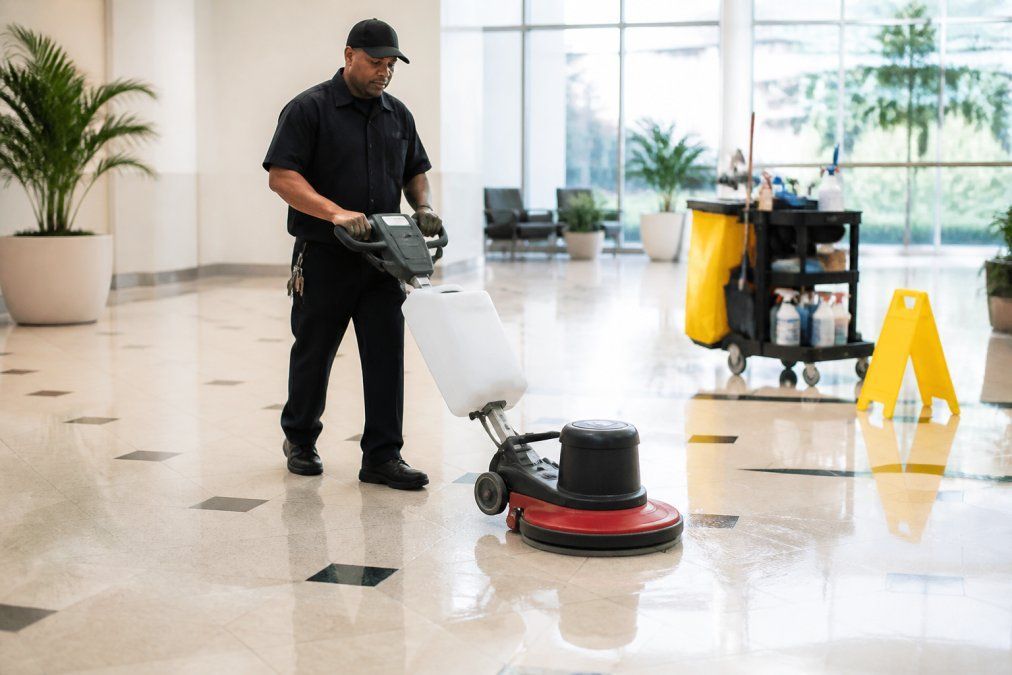
Choosing a commercial floor cleaning company? Learn costs, VCT maintenance, stripping and waxing, and schedules. Get a free floor care estimate today.
By Dawn Stewart September 9, 2026
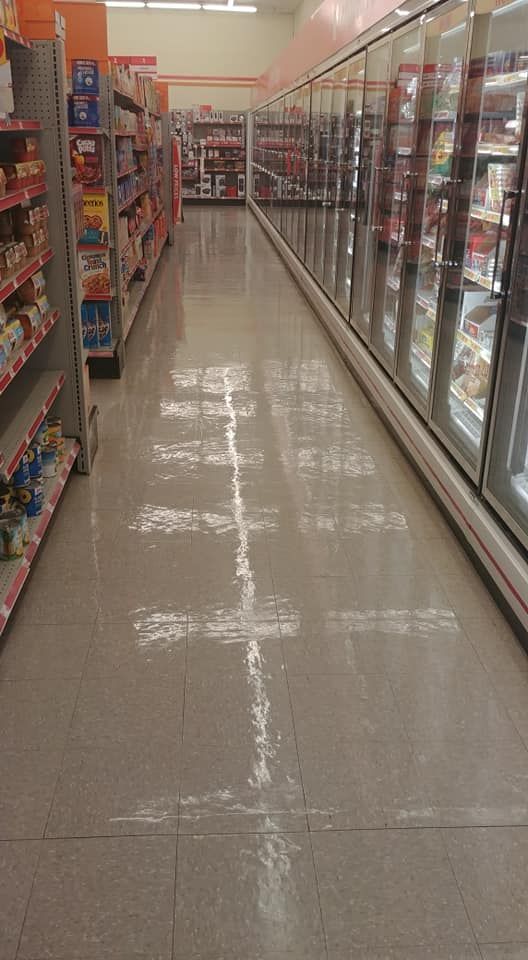
Clean and Shiny Floors
By Dawn Stewart July 19, 2026
Dexter the Inspector Loves Shiny Floors!!!

By Dawn Stewart July 8, 2026
Commercial Cleaning Sussex County DE | A Smarter Clean

By Dawn Stewart July 1, 2026
Commercial Terrazzo Floor Stripping and Waxing in Delaware
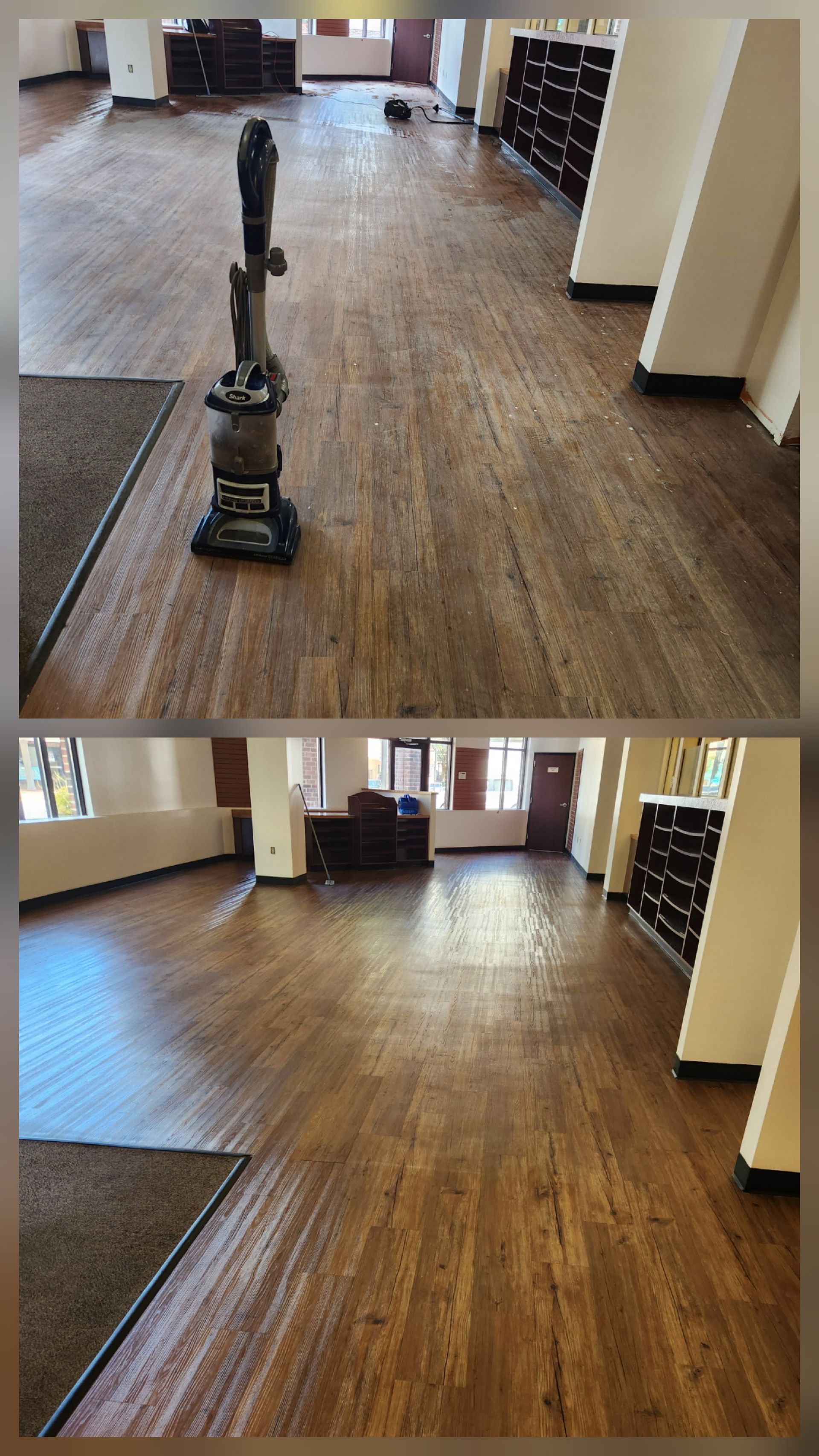
LVT floor cleaning in Dover, DE
By Dawn Stewart March 31, 2026
Find out why floors can still look dirty after cleaning and what to do about buildup, worn finish, residue, and improper maintenance methods.
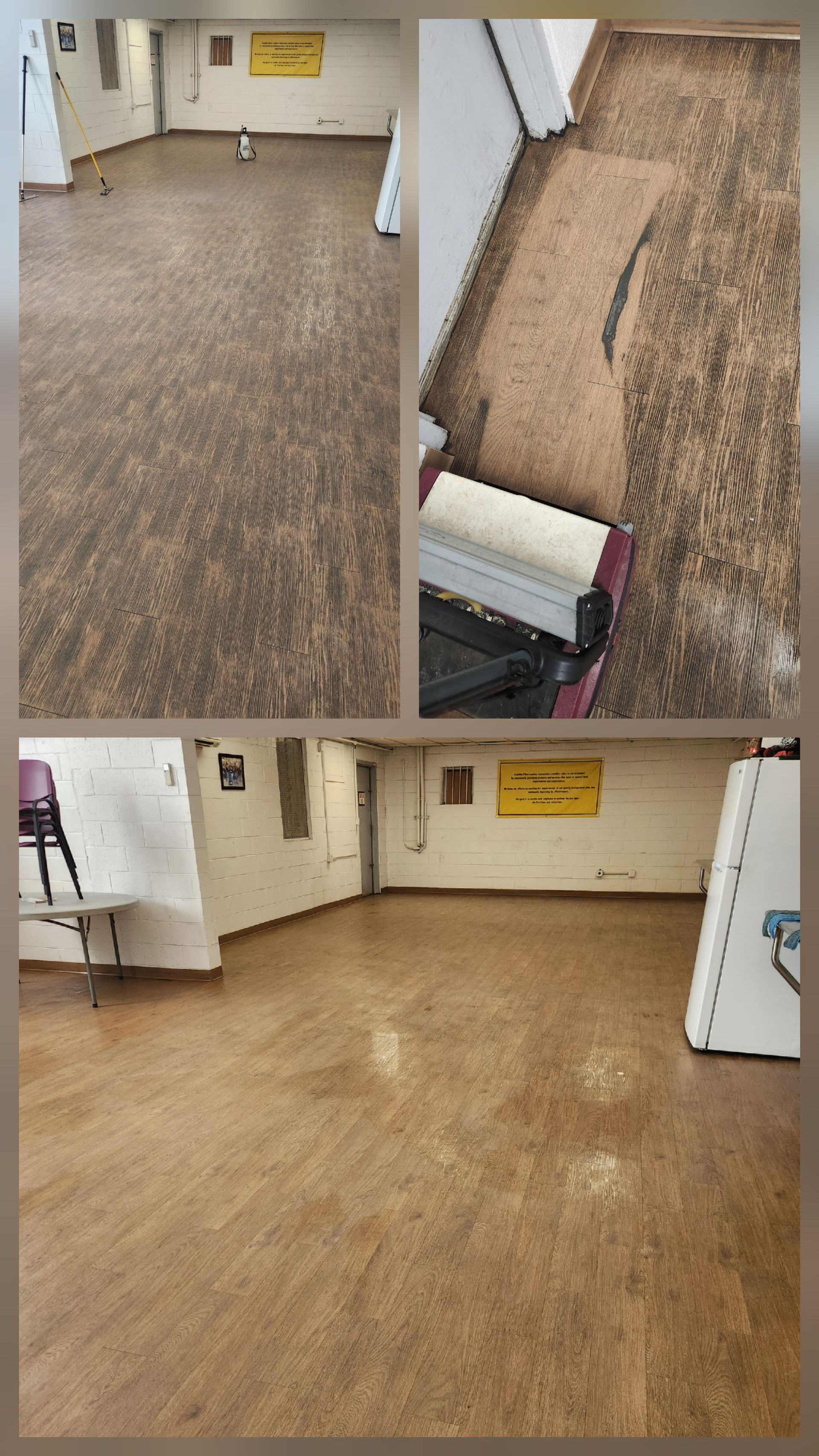
LVT floor cleaning in Wilmington, DE
By Dawn Stewart March 27, 2026
Learn how professional cleaning and maintenance help luxury vinyl tile floors stay clean, protected, and looking like new in Delaware facilities.
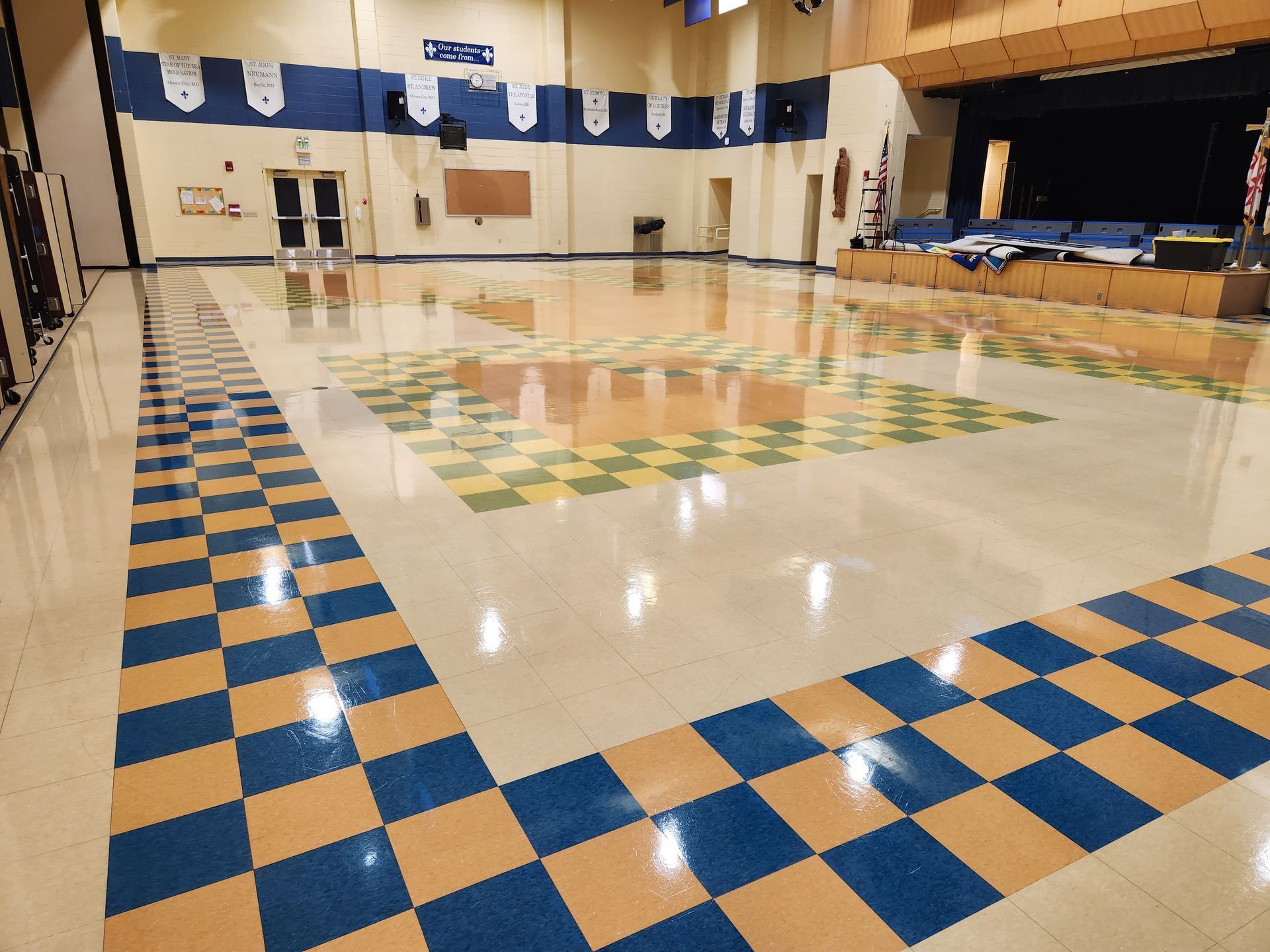
An empty gymnasium with a polished floor featuring blue and tan checkerboard borders and a central patterned square.
March 17, 2026
Learn practical VCT floor maintenance tips for facility managers, including cleaning, burnishing, recoating, and strip and wax planning.
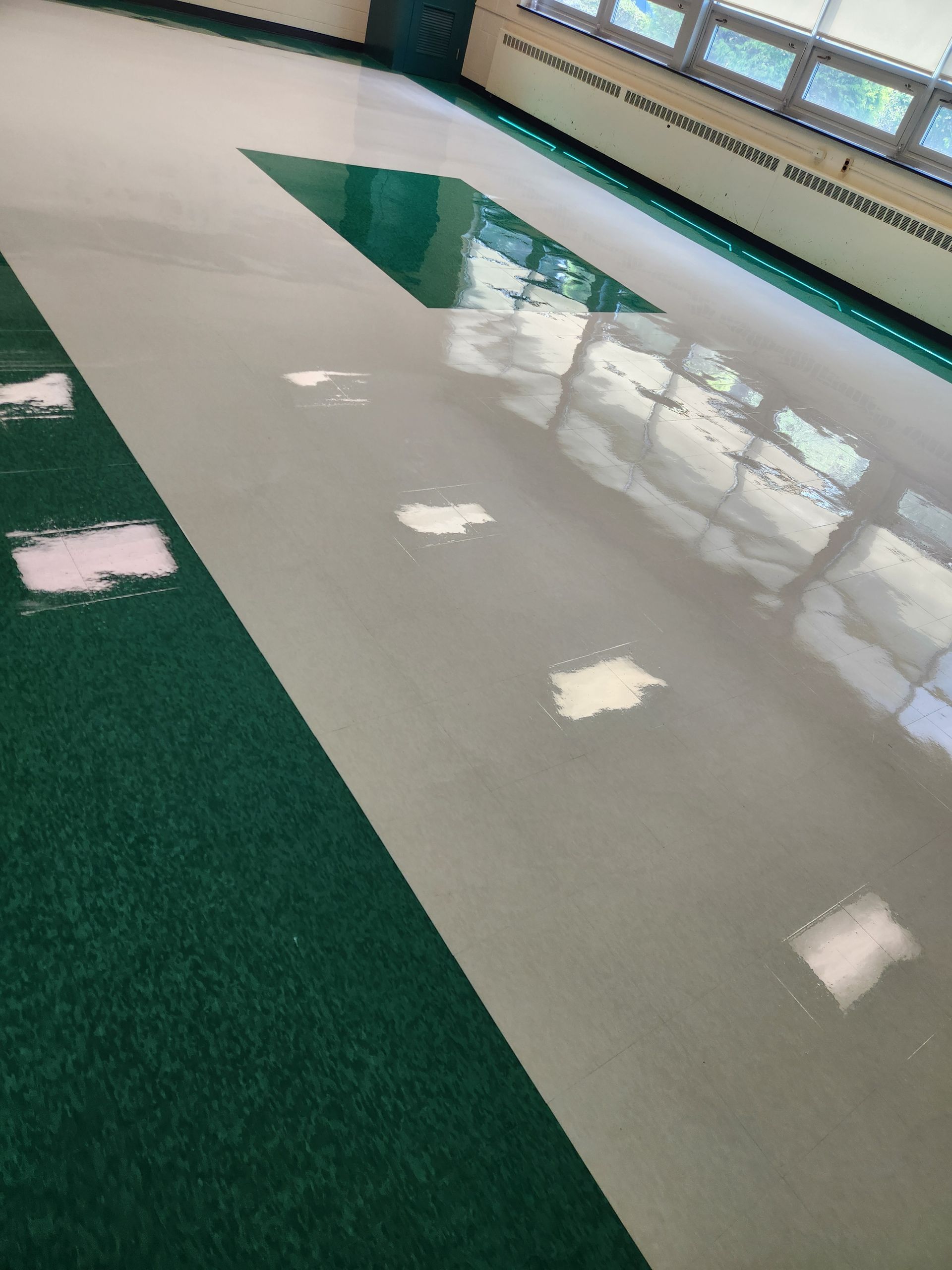
A shiny, light-gray floor in a room, featuring a large green section and scattered white scuff marks.
March 17, 2026
Discover how waxing VCT floors improves shine, protects against wear, lowers maintenance costs, and extends the life of your flooring.